6 Best Wool Blends For Warmth And Structure To Try
Discover 6 wool blends that balance heat retention with lasting structure. Learn which fibers offer the best durability and comfort for your winter wardrobe.
Selecting the right yarn for a project is the difference between a garment you wear for decades and one that languishes in the bottom of a drawer. While pure wool is a classic choice, blending fibers often provides the structural integrity and warmth necessary for everyday wear. Understanding how different fibers interact will elevate your knitting from a simple hobby to a refined craft. This guide explores six specific blends that offer the perfect balance of durability, stitch definition, and cozy comfort.
Cascade 220 Superwash: The Reliable Workhorse Blend


Cascade 220 Superwash is the yarn most of us reach for when we need a project that can handle the reality of daily life. Because it is a 100% superwash wool, it offers the warmth of traditional sheep’s wool while being machine washable and resistant to felting.
It provides a smooth, consistent stitch definition that makes it perfect for cables or textured patterns. If you are knitting a sweater that needs to withstand frequent trips through the laundry, this is your baseline.
However, keep in mind that superwash wool has less "memory" than untreated wool. It can grow slightly when blocked or washed, so always knit a gauge swatch and wash it exactly as you intend to wash the finished garment.
Brooklyn Tweed Shelter: Wool With Unique Structure
Shelter is a breed-specific yarn that feels entirely different from the standard mass-produced options. It is a woolen-spun yarn, meaning the fibers are carded rather than combed, trapping more air and creating a lightweight, lofty fabric with incredible warmth.
Because it is woolen-spun, it is inherently more delicate than worsted-spun yarns. It has a rustic, matte finish that makes your stitches look like they belong in a classic Nordic sweater.
If you are a beginner, be aware that this yarn can snap if you pull too hard while correcting a mistake. Treat it with a gentle touch, and you will be rewarded with a garment that feels like a warm, structural cloud.
Rowan Felted Tweed: The Ultimate Colorwork Choice

Rowan Felted Tweed is a legendary blend of merino, alpaca, and viscose that has been a staple in colorwork knitting for years. The secret is the slight "halo" created by the alpaca, which helps stitches grip one another, making it ideal for stranded knitting where you don’t want your floats to slip.
The color palette is sophisticated and muted, allowing for complex patterns that look intentional rather than jarring. Because it is a lighter-weight yarn, it creates a fabric that is warm without being bulky.
Don’t let the name "felted" confuse you; it is a description of the finished texture, not a warning to avoid washing. It is a workhorse for those who want to master Fair Isle or Intarsia techniques.
Malabrigo Rios: Softness Meets Durable Construction
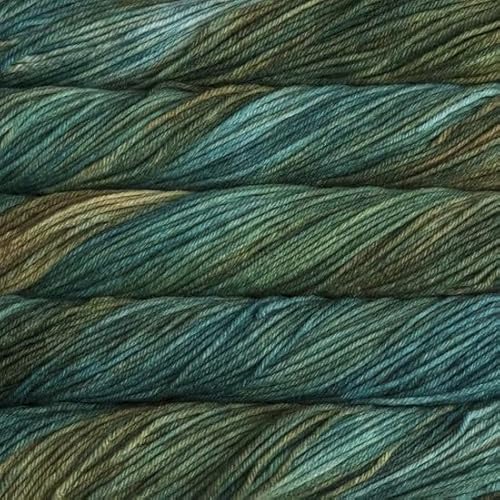
Malabrigo Rios is the gold standard for those who prioritize softness against the skin without sacrificing durability. It is a plied, superwash merino that holds up surprisingly well to friction, making it a favorite for cowls and hats.
The hand-dyed nature of this yarn means that every skein is unique, often featuring subtle shifts in color depth. This adds a beautiful, organic quality to simple stockinette stitches that might otherwise look flat.
Because it is so soft, it doesn’t hold crisp cables as sharply as a tighter-spun yarn. If you want structural integrity, pair this with a pattern that relies on texture rather than deep, architectural cables.
Berroco Ultra Wool: A Versatile And Sturdy Option
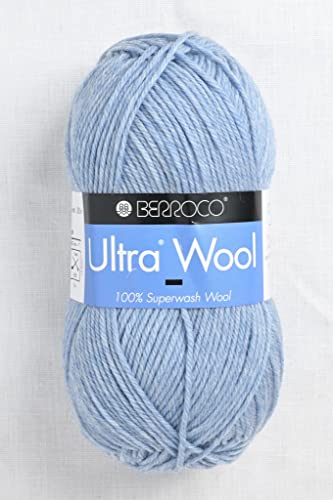
Berroco Ultra Wool is arguably one of the most consistent yarns on the market, offering a high-quality feel at an accessible price point. It is a smooth, plied superwash wool that works beautifully for garments that require a clean, modern aesthetic.
The structure is very balanced, meaning it maintains its shape well even after repeated wear. It is an excellent choice for knitters who are still refining their tension, as the even ply helps stitches sit uniformly on the needle.
It is arguably the most "predictable" yarn on this list. If you are planning a large-scale project like a cardigan where you cannot afford gauge fluctuations, this is a safe and reliable choice.
Quince & Co. Owl: The Perfect Wool-Alpaca Hybrid
Owl is a blend of American wool and alpaca that strikes a rare balance between structure and drape. The wool provides the "bounce" and memory required for ribbing, while the alpaca adds a subtle, luxurious softness.
It is a two-ply yarn with a slightly rustic character that looks fantastic in both simple and complex stitch patterns. The blend is warm enough for winter accessories but breathable enough for a transitional season pullover.
Because of the alpaca content, it has a bit more "drape" than a 100% wool yarn. If you want a garment to hang with a bit more fluidity rather than standing rigid, reach for Owl.
Why Fiber Blends Enhance Your Knitting Projects
Fiber blending is not just about cost-cutting; it is about engineering the perfect fabric for a specific purpose. By combining fibers, we can mitigate the weaknesses of one (like the heavy weight of alpaca) with the strengths of another (the elasticity of wool).
- Wool: Provides elasticity, memory, and structural warmth.
- Alpaca: Adds softness and thermal properties but can be heavy and prone to stretching.
- Nylon/Synthetic: Adds essential durability for high-friction areas like heels or elbows.
- Viscose/Silk: Adds drape, sheen, and a cool touch to the fabric.
When choosing a blend, consider the "life" of the project. A sock needs nylon for strength, while a sweater needs the memory of wool to keep its shape at the cuffs and neckline.
Understanding The Role Of Nylon In Wool Blends
Nylon is the unsung hero of the knitting world, specifically when it comes to socks and high-wear garments. Even a small percentage—usually around 20%—drastically increases the abrasion resistance of the yarn.
Without nylon, wool socks will inevitably develop holes at the heels and toes after only a few months of wear. The nylon acts as a skeleton, holding the wool fibers together even as they begin to wear thin.
Do not be afraid of synthetic content in your yarn. It is a functional tool that allows your hand-knitted items to survive the realities of modern life and frequent use.
How To Test Yarn For Structure And Drape Quality
Before you commit to a sweater’s worth of yarn, you must perform a "swatch test." Knit a 4×4 inch square, wash it, and pin it to your desired dimensions to see how the fabric behaves.
- Check the Memory: Stretch the swatch and see if it snaps back to its original shape.
- Check the Drape: Hold the swatch by the top edge and observe how it hangs.
- Check the Surface: Look for pilling or fuzzing after a gentle rub against a piece of denim.
If the swatch grows significantly after washing, you may need to go down a needle size. Always treat your swatch with the same care you intend to treat the final garment to avoid unpleasant surprises.
Caring For Your Wool Blend Garments Long Term
The best way to ensure your wool garments last is to wash them less often than you think they need. Wool is naturally antimicrobial and often only requires a quick airing out to refresh the fibers.
When you do wash, use a dedicated wool wash and lukewarm water to prevent shock to the fibers. Never wring or twist your wet garment; instead, roll it in a thick towel to press out the excess moisture.
Store your wool garments folded rather than on hangers, as the weight of the fabric can cause the shoulders to stretch out over time. With proper care, a well-chosen wool blend will remain a staple in your wardrobe for years.
Choosing the right yarn is a practice in balancing your aesthetic vision with the physical requirements of the garment. By understanding how different fibers behave, you can move beyond the label and start selecting materials that truly serve your design. Trust your hands, swatch thoroughly, and don’t be afraid to experiment with the unique properties of these blends. Happy knitting, and may your finished projects be as durable as they are beautiful.