7 Best Measuring Tapes For Tracking Body Measurements
Accurately tracking body progress requires the right tools. We review the 7 best measuring tapes, highlighting features for precision, ease, and durability.
Getting the perfect fit for a hand-knitted garment starts long before you pick up your needles. Relying on a reliable measuring tape is the difference between a sweater you wear every day and one that sits in a drawer. These seven tools offer the precision needed to translate your body dimensions into a successful knitting pattern. Finding the right tape is an essential step in your journey toward professional-looking knitwear.
Hemline Retractable Tape: Best Overall Choice
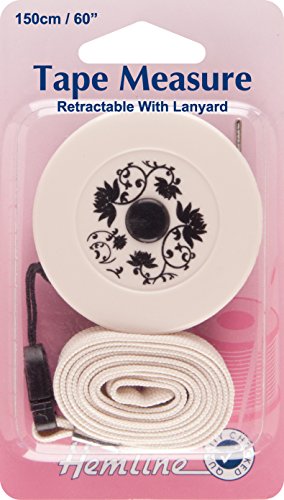

The Hemline Retractable Tape is a staple in many project bags because it strikes the perfect balance between convenience and durability. When you are measuring your bust or waist, you need a tape that stays put without sagging or stretching under its own weight.
This tape features a smooth retraction mechanism that rarely jams, which is a common frustration with cheaper alternatives. The markings are clear and high-contrast, ensuring you aren’t squinting at tiny numbers while trying to hold a tape measure level across your back.
The retractable design keeps the tape clean and protected from the lint and dust that inevitably collect in a knitting bag. If you prioritize a tool that is ready to go the moment you need to check your gauge or body measurements, this is your best bet.
Singer Professional Fiberglass Tape Measure

Fiberglass tapes are the gold standard for accuracy because they do not stretch over time, unlike plastic or fabric versions. If you are working on a complex project like a top-down raglan, even a quarter-inch of tape stretch can throw off your entire fit.
The Singer Professional tape is robust and resists fraying at the edges, which is crucial if you keep your tools loose in a basket. It lays flat against the body, allowing you to capture precise measurements for sleeves and necklines without the tape curling or twisting.
While it lacks the portability of a retractable case, the durability of the fiberglass construction makes it a long-term investment. It is the tool I reach for when I am drafting a custom sweater pattern from scratch.
Dritz Ezy-Check Measuring Tape for Fit

The Dritz Ezy-Check is unique because it is designed specifically for those who struggle to keep a tape measure level. It features a specialized clip or design element that helps you hold the tape in place while you record your own measurements.
Measuring your own body is notoriously difficult, as the tape tends to slip or angle downward in the back. This tool helps mitigate that human error, which is vital when you are calculating ease for a fitted garment.
If you often knit for yourself without a partner to help with the measuring, this ergonomic focus is a game-changer. It turns a frustrating solo task into a straightforward process.
Tailor’s Choice Soft Vinyl Measuring Tape
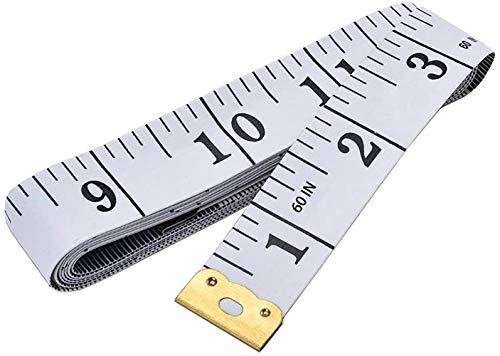
Sometimes, the simplest tools are the most effective. The Tailor’s Choice soft vinyl tape is incredibly pliable, making it ideal for measuring curved surfaces like armholes or the depth of a neckline.
Because it is so soft, it conforms perfectly to the body without leaving gaps, which is essential for accurate bust and hip measurements. It feels natural against the skin and doesn’t have the rigid, sharp edges that can sometimes distract you during a fitting session.
The tradeoff here is that soft vinyl can eventually stretch if it is pulled too hard over many years. However, for the price, it is an economical and highly functional choice for any knitter’s toolkit.
Prym Ergonomics Retractable Tape Measure

Prym is known for its thoughtful design, and their ergonomics line is no exception. This tape measure is shaped to fit comfortably in the palm of your hand, which reduces strain during long measuring sessions.
The tape itself is printed on both sides, which is a small detail that saves a surprising amount of time. You don’t have to worry about which way you pull it out of the case; the numbers are always right-side up.
This is an excellent choice for knitters with arthritis or those who simply appreciate tools that feel good to hold. It combines modern mechanics with a user-friendly interface that feels intuitive from the first use.
Clover 150cm Tailor’s Tape for Accuracy

Clover is a brand that understands the precise needs of fiber artists, and their tailor’s tape is calibrated with professional standards in mind. The markings are exceptionally crisp, which is critical when you are working with fine-gauge yarn where every stitch counts.
This tape is thin and lightweight, making it easy to store in a small notions pouch alongside your stitch markers and tapestry needles. Despite its thin profile, it is surprisingly resistant to tearing.
If you are a perfectionist about your gauge swatches and body measurements, the high-resolution printing on this tape will give you the confidence you need. It is a reliable, no-nonsense tool that delivers consistent results every time.
Stanley 120-Inch Long-Reach Measuring Tape
Most knitting tapes top out at 60 inches, which is usually plenty, but a 120-inch tape is a secret weapon for larger projects. If you are measuring a long shawl, a full-length coat, or even checking the circumference of a large blanket, this extra length is invaluable.
Because this comes from a hardware-focused brand, it is built to be tougher than your average craft store tape. It can handle being tossed into a heavy project bag without showing signs of wear.
The extended reach makes it a versatile addition to your home, not just your knitting room. If you find yourself measuring more than just your body, this is the heavy-duty option to consider.
Why Accurate Body Measurements Matter for Fit
Many knitters spend weeks on a garment only to find it doesn’t fit correctly because they relied on "standard" sizing rather than their own measurements. Standard sizes are a starting point, but they rarely account for individual variations in shoulder width, arm length, or torso shape.
When you take your own measurements, you are creating a map for your project. A sweater that is too tight in the shoulders will restrict your movement, while one that is too loose in the bust will lose its intended shape.
- Positive Ease: Added room for comfort (standard for most sweaters).
- Negative Ease: Garment is smaller than the body (common for socks and hats).
- Zero Ease: Garment matches body dimensions exactly.
Using an accurate tape ensures that your math—based on your gauge—actually translates to the real-world garment. Always measure over the undergarments you intend to wear with the finished piece for the most accurate results.
How to Measure Your Body for Custom Knitting
To get the best fit, stand in front of a mirror and keep the tape level to the floor. Do not pull the tape tight; it should rest against your skin without compressing it, much like the ease you want in your finished fabric.
Start with the bust, measuring at the fullest part, then move to the waist and hips. Don’t forget to measure your upper arm circumference if you are knitting a fitted sleeve, as this is a common point of failure for many knitters.
- Bust: Measure around the fullest part of the chest.
- Waist: Measure at the natural waistline (usually the narrowest part).
- Hips: Measure at the fullest part of the seat.
- Armhole Depth: Measure from the top of the shoulder to the underarm.
Write these numbers down in a dedicated knitting journal alongside your project notes. Having a permanent record of your measurements saves you from having to re-measure every time you start a new pattern.
Tips for Maintaining Your Measuring Tape Tools
Even the best measuring tape can lose its accuracy if it is abused. The most common mistake is letting the tape snap back into the case too quickly, which can cause the end to tear or the internal spring to weaken.
Always guide the tape back into its case gently with your fingers. Additionally, keep your tapes away from extreme heat, which can cause the material to warp or the printed markings to fade over time.
If you use a cloth or vinyl tape, store it rolled or flat; avoid folding it sharply, as this creates permanent creases that distort the measurements. With a little care, your favorite measuring tape will be a faithful companion for decades of knitting projects.
Investing in a quality measuring tape is a small price to pay for the satisfaction of a garment that fits perfectly. By choosing a tool that suits your personal workflow, you remove the guesswork from your knitting process. Take the time to measure carefully, keep your tools in good condition, and enjoy the process of creating pieces that truly fit. Happy knitting, and may your gauge always be true.