7 Best Tailor Shears For Heavy Duty Sewing
Upgrade your sewing kit with our expert guide to the 7 best tailor shears for heavy duty sewing. Compare top-rated durable blades and find your perfect pair today.
Precision cutting is as vital to successful garment construction as choosing the correct needle size for a delicate lace shawl. When working with heavy-duty fabrics like thick wool melton, denim, or heavy canvas, standard household scissors simply lack the shear force required for clean, frayed-free edges. Investing in professional-grade tailor shears ensures that every cut enhances the drape and fit of the final piece. Selecting the right tool acts as a foundation for professional-level results, regardless of whether a project involves intricate sewing or complex textile manipulation.
Gingher 8″ Knife Edge Shears: The Gold Standard
These shears represent the industry benchmark for a reason. The razor-sharp knife edge allows for a smooth, sliding cut through multiple layers of heavy fabric without chewing or snagging the fibers.
Constructed from high-carbon steel, these scissors hold an edge far longer than standard craft store options. They offer the consistent tension required for high-volume tailoring.
The heavy weight might cause hand fatigue during marathon cutting sessions. However, the superior leverage makes them an essential tool for those who prioritize clean lines above all else.
Kai 7250 10-inch Shears: Best Ergonomic Pick


When cutting thick, multi-ply fabric, ergonomics become a primary concern for the health of the hand and wrist. These shears feature a unique soft-grip handle design that minimizes strain during extended sessions.
The blade material consists of high-carbon stainless steel, which balances durability with a lighter overall weight. This is a significant advantage when the cutting path involves long, continuous curves.
The 10-inch length provides exceptional reach. This makes them ideal for slicing through lengthy pattern pieces for heavy wool coats or structured home décor projects.
Wiss 10″ Titanium Shears: Top for Upholstery
Upholstery projects demand a tool that can handle abrasive, high-density materials without losing its sharpness. The titanium-coated blades on these shears offer increased hardness and exceptional wear resistance.
The titanium coating isn’t just for aesthetics; it effectively prevents the gumming and friction that often occur when cutting through synthetic upholstery backings. These shears are designed for durability under pressure.
Avoid using these on fine silk or delicate blends, as the aggressive nature of the blade is tailored for tough tasks. They are best reserved for canvas, leather, and heavy-duty textiles.

LDH Midnight Edition Shears: Ultimate Precision
These shears are handcrafted with a focus on balance and extreme sharpness. The matte black finish is not just for style; it indicates the high-quality industrial carbon steel used in their construction.
The pivot point is engineered for minimal resistance, allowing for surgical precision. This is particularly useful when cutting complex curves or small notches in thick wools that typically shift under the blade.
They represent a significant investment but serve as a lifelong tool for the dedicated maker. With proper care, they maintain their factory-honed edge through years of demanding project work.
Mundial Classic Forged Shears: Best Value Pick

Mundial shears provide the professional performance of forged steel at a much more accessible price point. They are an excellent entry-level choice for those moving away from stamped scissors.
The balance of the blade and handle is surprisingly intuitive, providing a natural feel in the hand. They handle medium-to-heavy weight fabrics with ease, offering a reliable cutting action for daily sewing needs.
While they may require more frequent sharpening than ultra-premium brands, their construction remains solid. They offer the best balance of cost and utility for the serious hobbyist.
Fiskars Amplify Shears: For Thick Fabric Layers

The Amplify technology is a game-changer for those who struggle with hand strength when cutting through heavy layers. A specialized mechanism senses when the blades start to separate due to fabric thickness and forces them back together.
This feature ensures that thick, bulky fabric remains securely between the blades throughout the entire cut. It essentially solves the common frustration of fabric sliding out of the scissor tips.
They are less elegant than traditional forged shears but significantly more practical for thick, unstable materials. They are a triumph of functional engineering over traditional aesthetics.
SINGER ProSeries Shears: A Reliable Workhorse
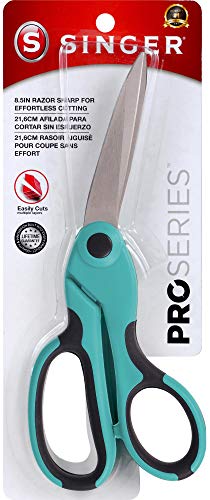
SINGER has long been a staple in the sewing world, and these ProSeries shears deliver consistent performance. They feature a tempered steel blade that provides a clean cut through a wide variety of fabric weights.
The contoured grip accommodates a variety of hand sizes, making them a versatile choice for a shared sewing room or studio. They handle heavy-duty cottons and denims without requiring excessive pressure.
While they may lack the refined finish of artisan-made shears, they offer dependable longevity. They are the ideal reliable companion for frequent, everyday heavy-duty projects.
Choosing the Right Shears for Your Fabric Type
The weight and structure of the fiber dictate the necessary shear specifications. For heavy, natural fibers like dense wool or raw denim, a forged steel blade is mandatory to prevent fraying and ensure clean edges.
Consider the following fabric variables before selecting a tool: * Fabric Density: High-density materials require a sharper, more acute blade angle. * Fabric Abrasiveness: Synthetic canvases or metallic blends can dull blades rapidly, favoring titanium coatings. * Fiber Slickness: Extremely smooth fabrics benefit from shears with micro-serrated edges to prevent slipping.
If the fabric is prone to stretching or shifting, prioritize shears with an adjustable pivot screw. This allows for tightening the blades to ensure the fabric is trapped firmly during the cutting stroke.
Forged vs. Stamped Shears: What’s the Difference?
The fundamental difference lies in the manufacturing process and structural integrity. Forged shears are made from a single piece of molten metal that is hammered into shape, resulting in a denser, stronger, and more resilient tool.
Stamped shears are essentially cut out from a flat sheet of metal. While they are often cheaper and lighter, they are prone to flexing under heavy loads, which causes the blades to separate and “chew” the fabric rather than slicing it.
- Forged: Superior edge retention, higher weight, long-term durability.
- Stamped: Lower initial cost, lighter feel, tendency to dull faster on thick materials.
Choose forged shears for any project involving heavy, multi-layered, or high-friction fabrics. The structural stability of forged steel is non-negotiable for professional garment construction.
Shear Care: How to Sharpen and Maintain Your Tool
Precision tools are only as effective as their maintenance schedule. Never use tailor shears on paper, cardboard, or wire; these materials dull blades instantly, ruining the alignment required for fabric.
- Regular Cleaning: Wipe the blades with a dry, lint-free cloth after every project to remove fiber dust.
- Occasional Oiling: Apply a drop of sewing machine oil to the pivot screw area to maintain a smooth opening and closing action.
- Professional Sharpening: Invest in professional sharpening services annually rather than attempting DIY techniques that can alter the blade geometry.
Storage is equally critical. Keep shears in a protective sheath or dedicated box to prevent nicks on the cutting edge. Treating these tools with respect ensures they remain a sharp, reliable partner for decades.
Finding the right pair of shears is not merely about purchasing a tool, but about equipping oneself for the specific physical demands of the materials being transformed. By matching blade technology to the density and texture of the fabric, you ensure that every cut contributes to the overall success of the final garment.