7 Best Project Notebooks For Machine Settings To Use
Optimize your workflow with our top 7 project notebooks for machine settings. Discover durable, organized options to track technical data and boost precision.
Keeping a precise record of your machine knitting settings is the difference between a repeatable masterpiece and a frustrating, mismatched swatch. Whether you are adjusting tension dials for a delicate lace or setting carriage speeds for thick wool, your notebook acts as the memory your machine lacks. These seven notebooks offer the structure needed to track your progress and refine your craft over decades of making. Finding the right system ensures that when you return to a favorite pattern, you can pick up exactly where you left off.
Leuchtturm1917 A5 Dot Grid: Best Overall Choice
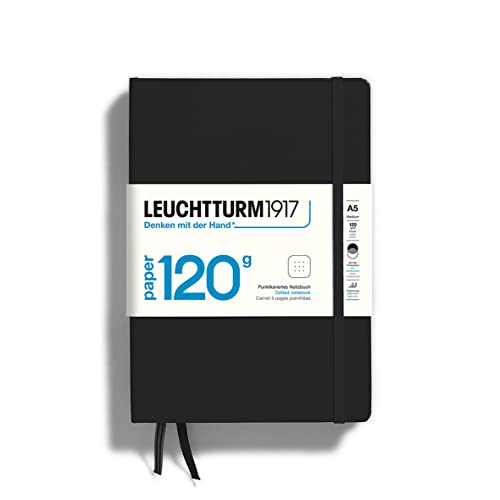

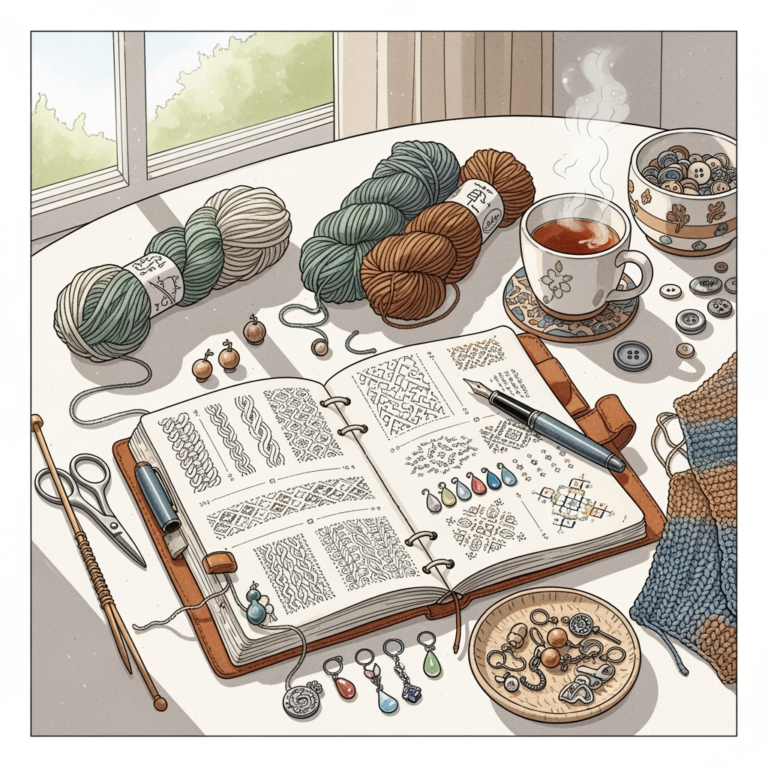
The Leuchtturm1917 is a staple in the fiber arts community for a reason: it balances structure with enough freedom to sketch stitch patterns. The dot grid layout is perfect for mapping out punch card repeats or charting complex cable motifs without the visual clutter of heavy lines.
Its numbered pages and index allow you to quickly flip to your notes on a specific garment’s tension settings. You won’t waste precious time hunting through pages when you’re in the middle of a project.
The paper quality is robust enough to handle fountain pen ink or markers without bleeding through to the other side. This is vital when you are recording technical details like yarn WPI (wraps per inch) or specific cam settings that you’ll need to reference years down the road.
Moleskine Classic Notebook: Best for Portability

If you take your knitting on the go, the Moleskine Classic is the reliable workhorse you need in your project bag. Its slim profile slides easily alongside circular needles and stitch markers without adding unnecessary bulk.
Because it is so compact, it encourages you to jot down quick notes immediately after finishing a row or adjusting your carriage. You are far more likely to record your stitch size and tension dial settings if the notebook is already sitting on your lap.
The tradeoff here is the thinner paper, which may show some ghosting if you use heavy-duty markers. However, for a simple ballpoint pen record of machine settings, its durability and size are unmatched.
Rhodia Goalbook: Best for Detailed Data Tracking

The Rhodia Goalbook is designed for those who treat their knitting like a laboratory experiment. It includes pre-printed sections that are ideal for tracking long-term projects, such as a full-size colorwork sweater.
The high-quality, 90g ivory paper is incredibly smooth, making it a joy to write on after a long session at the knitting machine. It handles various ink types beautifully, so you can color-code your notes for different yarn weights or fiber blends.
Use the monthly and yearly calendar pages to track your project deadlines or blocking schedules. It turns your knitting hobby into a well-managed production line, ensuring your tension stays consistent across multiple sessions.
Baronfig Confidant: Best Lay-Flat Design Choice
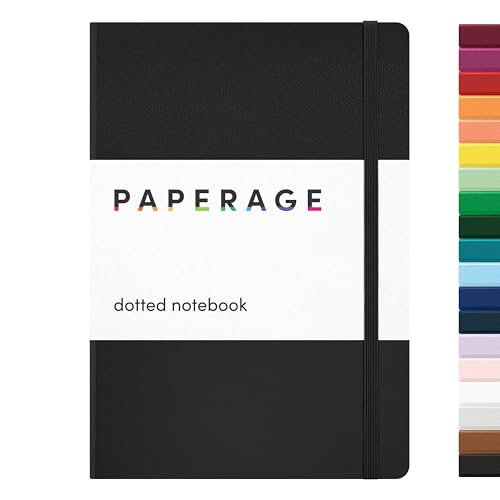
Nothing is more frustrating than a notebook that snaps shut while you are trying to transcribe your machine’s carriage settings. The Baronfig Confidant features a signature spine that allows the book to lay perfectly flat on your work table.
This allows you to keep your hands free for manipulating yarn or checking needle beds while you reference your notes. The paper is thick and toothy, providing a satisfying tactile experience that feels as premium as the yarn you’re working with.
It is a slightly larger format, which gives you plenty of space to glue in small yarn swatches next to your notes. Seeing the actual fiber next to your written settings is the best way to understand how different yarns react to your machine’s pressure.
Hobonichi Techo Planner: Best for Daily Logging
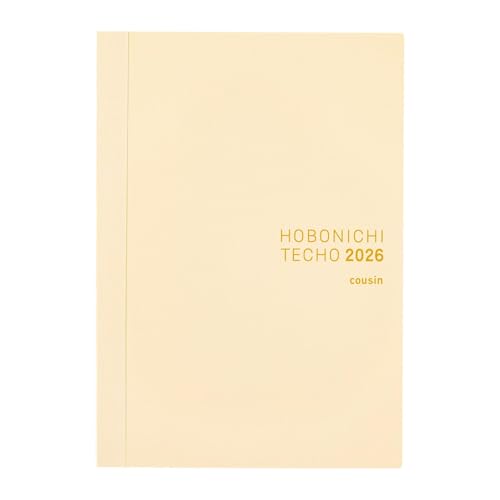
The Hobonichi is perfect for the knitter who wants to document their daily progress in a structured format. Each page is assigned to a date, which makes it easy to track how many rows you completed each day.
The Tomoe River paper is remarkably thin yet incredibly strong, allowing for hundreds of pages in a compact book. You can fit an entire year’s worth of project history into one small, portable volume.
If you are a high-volume knitter, this notebook helps you see patterns in your productivity. You might notice, for example, that your tension is consistently tighter on days when you are rushing to finish a project.
Midori MD Notebook: Best Paper for Ink Pens
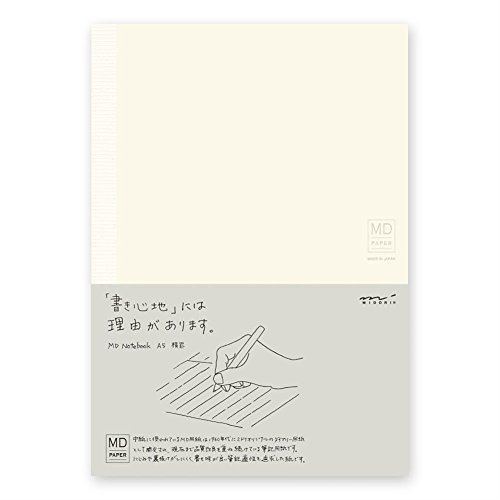
If you prefer using fountain pens to record your machine settings, the Midori MD is the gold standard. The paper is specifically engineered to prevent feathering, ensuring your technical notes remain crisp and legible.
The minimalist design removes all distractions, letting you focus entirely on your stitch counts and cam positions. It is a quiet, meditative space to record the data that drives your knitting success.
Because the paper is so absorbent, it is perfect for noting the specific characteristics of different fibers. You can describe the "hand" or "drape" of a finished piece with precision, knowing the ink will stay exactly where you put it.
Rite in the Rain: Best for Workshop Durability
Knitting machines are often housed in workshops or garages where humidity and dust can wreak havoc on standard paper. Rite in the Rain notebooks are essentially waterproof, protecting your hard-earned data from accidental spills or damp yarn.
If you are working with raw, unwashed wool that sheds debris, this notebook is a lifesaver. You can wipe away dust and fiber bits without damaging the pages or smudging your handwritten settings.
While the paper feels slightly different than traditional stationery, it is a small price to pay for total peace of mind. It is the ultimate choice for the knitter who values utility and longevity above all else.
How to Organize Your Machine Setting Logbooks
Start every new project entry by recording the yarn brand, fiber content, and the machine’s tension dial setting. Include a small swatch taped to the page to serve as a physical reference for how that specific setting performed.
Divide your notebook into sections based on your machine type or the fiber weight you use most often. This allows you to quickly compare how your machine handles a fine lace-weight mohair versus a bulky, single-ply wool.
Don’t forget to note any adjustments you made to the machine during the process, such as changing the carriage speed or adjusting the sinker plate. These "micro-adjustments" are often the secret to achieving a professional, store-bought finish.
Key Metrics to Track for Consistent Knitting
Always track your row counts and the total width of your piece in centimeters before and after blocking. This helps you understand the "memory" of your yarn and how much it will grow or shrink once it hits the water.
Record the ambient temperature and humidity of your knitting room if you notice your machine acting up. Fiber is highly sensitive to moisture, and static electricity can cause significant issues with synthetic or superwash blends.
Keep a log of your needle or cam replacements to track the life of your machine parts. Knowing exactly when you last cleaned your bed or replaced a needle can save you hours of troubleshooting later.
Essential Tips for Archiving Project History
At the end of every project, write a brief "post-mortem" summary of what worked and what you would change next time. This honest reflection is the most valuable tool for your growth as a knitter.
Use clear, archival-safe tape to attach a small tag of the yarn used to the end of your project notes. This creates a physical library of your yarn stash and its corresponding machine settings.
Store your completed notebooks in a dry, cool place to prevent the paper from yellowing or the ink from fading. These journals are the legacy of your craft, documenting the evolution of your skills over the years.
Your notebook is more than just a place to store numbers; it is the diary of your creative journey as a machine knitter. By consistently tracking your settings, you transform every project into a learning opportunity that sharpens your technical expertise. Choose the notebook that fits your workflow, and you will find that your knitting becomes more reliable, more precise, and infinitely more rewarding. Happy knitting, and may your tension always be perfectly balanced.