7 Best Machine Knitting Oils For Gear Longevity
Extend your knitting machine’s lifespan with our top 7 oil picks. Discover the best lubricants for smooth gear performance and essential rust prevention tips.
Maintaining a knitting machine is just as vital as understanding tension, yarn weight, or fiber content. When your carriage glides smoothly, your stitch definition improves and the mechanical stress on your needles decreases significantly. Choosing the right lubricant is the difference between a seamless project and a frustrating afternoon of dropped stitches. Here are the top seven oils to keep your machine operating at peak performance for years to come.
Singer All Purpose Machine Oil: Best Overall Choice
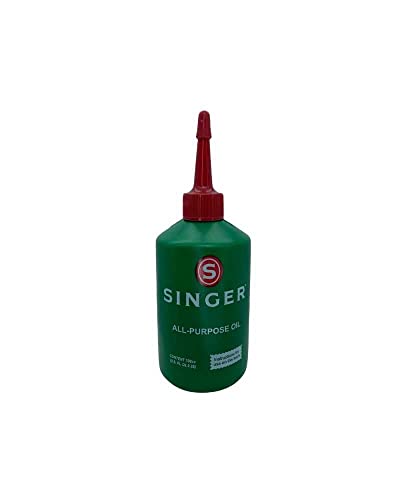

Singer All Purpose Oil is the industry standard for a reason; it is a reliable, medium-viscosity mineral oil that works across almost every mechanical knitting machine platform. It provides a consistent film that prevents metal-on-metal friction without attracting excessive dust or lint.

For the knitter who owns a vintage machine or a workhorse flatbed, this is the safe, go-to option. It doesn’t break down easily under the heat generated by rapid carriage passes during long afternoons of stockinette.
The main tradeoff is that it is a traditional mineral oil, which means it can eventually darken if left for years without cleaning. However, for the average knitter, its accessibility and effectiveness make it the most balanced choice for routine maintenance.
Zoom Spout Sewing Machine Oil: Best Reach Design
The genius of Zoom Spout oil lies entirely in its delivery system, which features a telescoping spout that reaches deep into the carriage housing. If you have ever struggled to lubricate the internal cams of a complex punch-card machine, you know the value of precision.
Knitting machines are full of tight, recessed areas where metal parts interact. Trying to squeeze a standard bottle into these gaps often leads to over-oiling, which can actually cause lint to clump and jam your needles.
The oil itself is a high-quality, clear lubricant that flows exactly where you point it. It is perfect for reaching those hidden friction points that are otherwise impossible to access without disassembling your entire machine.
Liberty Oil Synthetic Lubricant: Best High Speed
Liberty Oil is a synthetic, long-lasting lubricant designed for machines that see heavy, high-speed usage. If you are a production knitter cranking out dozens of sweaters or blankets, synthetic oils are superior because they don’t oxidize or gum up over time.
Synthetic formulations maintain their viscosity across a wider range of temperatures. When you are moving your carriage back and forth hundreds of times an hour, the friction creates heat; Liberty Oil stays stable under those conditions.
Because it is a synthetic, a little goes a very long way. You don’t need to flood the machine; a precise micro-drop is enough to keep the carriage gliding smoothly for weeks of heavy production.
Lily White Sewing Machine Oil: Best Non-Staining

Lily White oil is a highly refined, clear mineral oil that is specifically formulated to be non-staining and non-yellowing. This is a critical feature if you frequently work with expensive, delicate fibers like white mohair, silk, or light-colored wools.
There is nothing worse than finishing a pristine, hand-knitted garment only to find a faint oil smudge from the machine. Lily White oil minimizes this risk significantly because of its high level of refinement and lack of color additives.
It is a lighter-weight oil, which makes it ideal for delicate machines or those with very fine, sensitive needle beds. While it may require slightly more frequent application than a heavier grease, the peace of mind it offers when working with light fibers is unmatched.
Super Lube Synthetic Grease: Best for Heavy Gears

Sometimes, oil isn’t enough, especially when you are dealing with the heavy, high-friction gears of a bulky-gauge machine. Super Lube Synthetic Grease is a thick, PTFE-fortified lubricant that stays exactly where you put it.
Grease is essential for the main drive gears and internal cams that bear the most mechanical load. Unlike oil, which can drip or migrate, grease creates a protective barrier that cushions the impact of heavy metal parts moving against one another.
Use this sparingly, as too much grease can trap stray fibers and create a gritty paste. A tiny amount on a toothpick is usually sufficient to coat the gear teeth without attracting unwanted debris.
Tri-Flow Superior Lubricant: Best Rust Prevention
Tri-Flow is a unique lubricant that contains Teflon (PTFE) and active rust inhibitors. If you live in a humid climate or store your machine in an area where moisture is a concern, this is your best line of defense.
Rust is the silent killer of knitting machines; even a tiny spot of corrosion on a needle channel can cause stitches to snag or break. Tri-Flow doesn’t just lubricate; it actively works to prevent oxidation on the metal surfaces of the needle bed.
It is a bit "thinner" than traditional oils, so be careful not to over-apply it. Its primary value is the long-term protection it provides to the metal components, ensuring they stay smooth and corrosion-free for years.
Brother Knitting Machine Oil: Best OEM Formulation
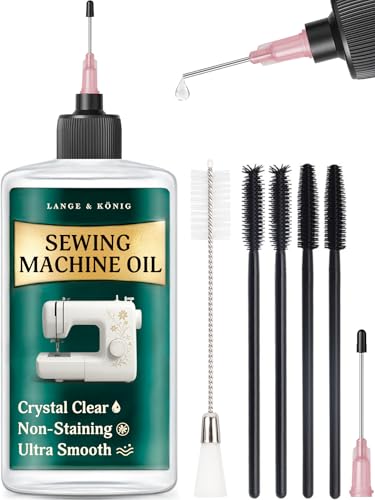
When in doubt, the oil formulated by your machine’s manufacturer is always the safest bet. Brother Knitting Machine Oil is specifically engineered to be compatible with the plastics, metals, and rubber components found in their machines.
Many modern machines use specialized plastics that can be degraded by certain harsh chemicals or overly aggressive synthetic additives. Using the OEM (Original Equipment Manufacturer) oil ensures that you are not inadvertently damaging the delicate components of your machine.
While it might be slightly harder to find than generic sewing machine oil, it provides the exact viscosity and chemical balance the machine was designed to handle. It is the best choice for beginners who want to ensure they aren’t voiding warranties or risking long-term wear.
Why Regular Lubrication Matters for Your Machine
A knitting machine is a precision instrument, not a simple tool. Every time you pass the carriage, hundreds of tiny, synchronized movements occur; without proper lubrication, these parts grind against each other, creating microscopic wear.
Over time, this wear leads to "slop" in the carriage, causing uneven tension and dropped stitches. Regular oiling keeps the machine running silently and smoothly, which is a clear indicator that the mechanical stress is being managed correctly.
Think of it like the difference between knitting with a smooth, polished needle and one that is scratched or tarnished. Lubrication is the "polish" for your machine’s internal parts, ensuring that every stitch is formed with the same consistency as the last.
How to Safely Apply Oil to Knitting Machine Parts
The golden rule of machine maintenance is "less is more." You should only apply oil to the points of contact specified in your machine’s manual, usually involving the carriage rails and the needle butt channels.
- Clean first: Always remove old lint and debris with a soft brush before adding new oil.
- Use precision: Use a needle-nose applicator or a toothpick to place a single, tiny drop on the friction surface.
- Distribute: After oiling, run the carriage back and forth across the bed several times without yarn to distribute the lubricant evenly.
- Wipe excess: Use a lint-free cloth to wipe away any oil that pools or drips, as excess oil only attracts dust.
Applying too much oil is a common mistake that causes more problems than it solves. If you see oil dripping from the carriage, you have likely used five times more than necessary.
Common Mistakes to Avoid When Oiling Your Machine
The most frequent error I see is using the wrong type of lubricant, such as WD-40 or heavy-duty automotive grease. WD-40 is a solvent, not a lubricant; it will strip away existing oil and eventually leave your machine dry and prone to rust.
Another mistake is neglecting to clean the machine before oiling. If you apply fresh oil over a bed of compacted lint and old, gummy lubricant, you are essentially creating a grinding paste that will accelerate wear on your needles.
Finally, never assume that "more is better." A light, consistent film is all that is required for optimal performance. If your machine is making a loud, grinding noise, don’t just add more oil—stop and inspect the machine for mechanical issues, as oil is not a cure-all for broken parts.
Keeping your knitting machine well-oiled is the best investment you can make in your craft. By choosing the right lubricant for your specific machine and environment, you ensure that your equipment remains a reliable partner for years of creativity. Treat your machine with the same care you give your finest yarns, and it will reward you with smooth, consistent stitches every single time.