7 Best Ergonomic Needles For Long Colorwork Sessions
Discover 7 ergonomic needles designed to reduce hand strain during long colorwork sessions. Enhance your comfort and precision with these top-rated knitting tools.
Long colorwork sessions are a labor of love that can quickly turn into a test of physical endurance for your hands and wrists. When you are managing two or more strands of yarn simultaneously, the weight and texture of your needles become critical factors in your overall comfort. Choosing the right tool isn’t just about personal preference; it is about mitigating the repetitive strain that comes with complex stranded knitting. This guide breaks down the best ergonomic options to help you keep your tension consistent and your hands pain-free during those marathon knitting sessions.
ChiaoGoo Red Lace: The Gold Standard for Precision
ChiaoGoo Red Lace needles are widely considered the benchmark for serious colorwork because of their impeccable join and flexible steel cable. The transition from the needle tip to the cable is virtually seamless, which is vital when you are constantly sliding stitches back and forth while juggling multiple colors.
These needles feature a surgical-grade stainless steel construction that provides a slick surface, allowing your stitches to glide effortlessly. This reduced friction means you don’t have to exert as much force to move your work, which is a major win for preventing thumb fatigue.
However, the signature red cable can be stiff for some, though it excels at resisting tangles. If you find yourself fighting your cable more than your yarn, these are likely the upgrade you need to streamline your workflow.
Addi Turbo Rockets: Smooth Speed for Long Sessions


Addi Turbo Rockets are designed for knitters who prioritize speed and a fluid, uninterrupted rhythm. The nickel-plating provides a high-shine finish that is incredibly slick, making them ideal for long sessions where you want to maintain a consistent pace without the yarn catching.
The "Rocket" tip is slightly sharper than the standard Addi Turbo, offering just enough pointiness to pick up stitches in stranded knitting without being so sharp that it splits your yarn. This balance is perfect for those who tend to knit tightly when concentrating on complex color charts.
The primary tradeoff here is the weight; these are solid brass needles, which feel heavier than steel or wood. If you are prone to wrist strain, the added weight might be a factor to consider during very long sessions.
HiyaHiya Sharp Steel: Best for Intricate Colorwork
When you are working with fine yarn or complex geometric colorwork, the HiyaHiya Sharp Steel needles are an absolute game-changer. The tips are exceptionally tapered, allowing you to manipulate stitches with surgical precision when performing intricate increases or decreases.

Because these needles are made from hollow stainless steel, they are surprisingly lightweight despite their durability. This combination of a sharp point and low weight helps minimize the "death grip" many knitters develop when trying to navigate tight colorwork motifs.
Be aware that these tips are very sharp. If you have a habit of pushing the needle tip with your index finger, you may find they require a bit of a learning curve or a leather thimble to protect your skin.
Lykke Driftwood: Warmth and Comfort for Your Hands
Lykke Driftwood needles offer a tactile, organic experience that many knitters find far more comfortable than cold metal. The smooth, polished birchwood feels warm to the touch, which can actually help improve circulation and reduce joint stiffness during long hours of knitting.
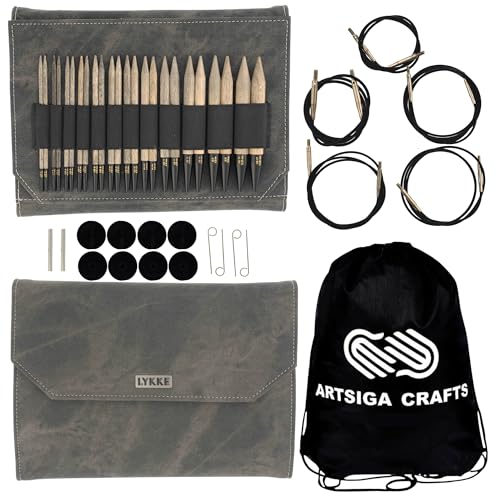
The surface of these needles provides a slight amount of "grip" compared to steel. This is a significant advantage if you are using slippery fibers like silk or bamboo blends, as it helps keep your stitches from sliding off the needles while you are managing your floats in the back.
The downside is that wood can be more fragile than metal, particularly in smaller sizes. They are best suited for projects where you want a relaxed, steady pace rather than high-speed, aggressive tensioning.
Kollage Square Needles: Reducing Hand Fatigue Daily

Kollage Square needles are a unique ergonomic solution that features a square-shaped cross-section. The flat sides provide a natural resting place for your fingers, which significantly reduces the amount of pressure required to hold the needle securely.
Many knitters find that moving to square needles helps alleviate symptoms of carpal tunnel or general hand cramping. By changing the surface area your skin contacts, these needles force you to adopt a more relaxed grip, which is essential for maintaining even tension across long colorwork rows.
Because they are made from aluminum, they are lightweight and have a pleasant, matte finish. If you struggle with hand fatigue, these are often the first recommendation I make to shift your ergonomics without changing your knitting style.
Knitter’s Pride Karbonz: Lightweight and Durable
Knitter’s Pride Karbonz are a marvel of modern engineering, combining carbon fiber shafts with nickel-plated brass tips. The carbon fiber is incredibly light and warm, while the metal tips provide the necessary strength and pointiness for picking up stitches in stranded work.
The carbon fiber has a unique texture that feels "grippy" enough to prevent stitches from sliding, yet smooth enough to keep your knitting moving. This makes them a versatile choice for a wide variety of yarns, from rustic wools to slippery synthetics.
Keep in mind that the tips are permanently attached to the carbon shafts; while they are very durable, they are not indestructible. Treat them with the same care you would any premium tool to ensure they remain snag-free for years.
Signature Needle Arts: The Premium Ergonomic Choice
Signature Needle Arts are the pinnacle of luxury, offering custom-weighted and sized needles that feel like an extension of your own hands. They are meticulously machined to provide a perfect balance of weight, point sharpness, and surface finish.
These needles are an investment, but for a dedicated colorwork enthusiast, the ergonomic payoff is tangible. The precision engineering ensures that your yarn never snags at the join, and the weight distribution is optimized to minimize hand strain during long-term projects.
They are not for the casual knitter, but if you spend hundreds of hours a year on complex stranded projects, the difference in comfort is undeniable. Think of these as a professional tool for a serious craft.
Why Ergonomics Matter During Long Colorwork Projects
Colorwork is physically demanding because it requires you to manage multiple strands of yarn while maintaining consistent tension across the back of the work. This often leads to repetitive motion patterns that can cause fatigue in the fingers, wrists, and shoulders.
Ergonomics isn’t just about buying expensive tools; it’s about understanding how your body interacts with your knitting. A needle that is too heavy, too slick, or too blunt can force you to compensate with a tighter grip, which is the primary cause of knitting-related discomfort.
Investing in the right needle is a proactive step toward longevity in your craft. By reducing the physical toll of your hobby, you ensure that you can continue to enjoy intricate colorwork projects for decades to come.
How to Choose the Right Tip for Your Knitting Style
Your choice of tip should be dictated by your yarn choice and your personal tension. If you are a "tight" knitter, a sharper tip will help you enter stitches more easily, whereas a blunter tip might be better if you tend to split your yarn constantly.
- Sharp Tips: Best for lace, fine-gauge colorwork, and picking up stitches.
- Blunt/Rounded Tips: Best for bulky yarns, beginners, and preventing yarn splitting.
- Slick Surfaces (Metal): Best for fast knitting and sticky fibers like mohair or alpaca.
- Grippy Surfaces (Wood/Carbon): Best for slippery fibers like silk or superwash wool.
Always consider the "drag" of your yarn. If you find yourself constantly tugging at the yarn to get it over the tip of the needle, you are likely using a needle that is too grippy for that specific fiber.
Tips for Maintaining Proper Tension While Knitting
Consistent tension in colorwork is achieved through both your needle choice and your hand positioning. Avoid the temptation to wrap the yarn tightly around your fingers, as this restricts blood flow and increases the risk of repetitive strain injuries.
Instead, experiment with different tensioning tools, such as knitting thimbles or different ways of holding your yarn strands. The goal is to keep your hands relaxed; if you feel your knuckles turning white, take a break and stretch your hands before continuing.

Remember that your gauge will change as you get tired, so it is perfectly acceptable to put the work down and return to it later. A well-rested knitter is a much more accurate knitter, and your finished project will always look better when you aren’t fighting through physical exhaustion.
Finding the perfect needle for your colorwork is a personal journey that evolves alongside your skill level. By prioritizing ergonomics and understanding the interplay between your tools and your yarn, you can transform long knitting sessions from a physical challenge into a meditative experience. Remember to listen to your hands, take frequent breaks, and don’t be afraid to switch tools if your current setup isn’t serving your comfort. Happy knitting, and may your floats always be even and your tension perfectly consistent.