7 Best Cotton Twines For Durable Tassel Headers
Discover the top 7 cotton twines for robust tassel headers. Learn which fibers offer superior strength and texture to ensure your projects remain durable.
Tassels are often the final flourish on a handmade heirloom, but their longevity depends entirely on the strength of the header. Choosing the wrong twine can lead to sagging, fraying, or the heartbreaking loss of your decorative work after just a few washes. As a fiber artist, I have learned that the foundation of a tassel is just as critical as the stitch pattern itself. Here are the best cotton twines to ensure your headers remain as sturdy as the day you finished your project.
Peaches & Crème Original Cotton: Best Overall Pick
This is the workhorse of the fiber arts world, and for good reason. It offers a consistent, medium-weight twist that provides enough friction to keep tassel knots from slipping, which is a common frustration when working with slicker synthetic fibers.
The matte finish of this cotton means that once you tighten a knot, it stays exactly where you put it. It doesn’t have the "memory" that causes some yarns to loosen over time, making it ideal for headers that will see frequent handling on wall hangings or decorative pillows.
While it can be slightly stiff to work with initially, that rigidity is precisely what you want for a structural element. If you are looking for a reliable, no-nonsense option that balances cost and performance, this is the gold standard for most tassel applications.
Lily Sugar’n Cream Solids: Best Budget-Friendly Choice


If you are producing tassels in bulk—perhaps for a large-scale market display or a set of seasonal home decor—this yarn is your best friend. It is widely available and incredibly affordable, allowing you to experiment with color combinations without breaking the bank.
The texture is slightly coarser than premium cottons, but this is actually an advantage for tassel headers. That extra "tooth" in the fiber acts like a natural locking mechanism, gripping the yarn strands of the tassel firmly so you don’t have to pull your knots to the point of breakage.
Be aware that the color saturation can vary slightly between dye lots, so try to buy enough for your entire project at once. It is a practical, utilitarian choice that prioritizes function over luxury, perfect for high-traffic items.
Knit Picks Dishie Yarn: Best for Tassel Durability

Dishie is a tighter-plied cotton than many of its competitors, which gives it superior resistance to abrasion. When you are wrapping a header, you need a fiber that won’t snap under the tension of a tight whipping knot or a decorative coil.
Because it is designed for kitchen use, it holds up remarkably well to moisture and friction. If your tassel is destined for an item that might get damp, like a bath mat or a kitchen towel, this cotton won’t lose its integrity or stretch out of shape.
I recommend this for projects where the tassel is a focal point that will be touched often. It offers a cleaner, more refined look than standard craft cottons, providing a professional finish that elevates the overall quality of your work.
Hobbii Rainbow Cotton 8/8: Best for Color Variety
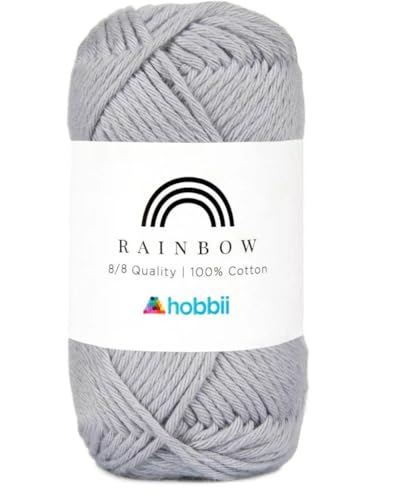
Sometimes a tassel header needs to disappear into the background, and other times it needs to make a bold statement. Hobbii provides an expansive color palette that allows you to match your header perfectly to your project’s yarn, creating a seamless, integrated look.
The 8/8 weight—meaning eight strands of yarn plied together—is substantial enough to provide a solid core for your tassel. It is soft to the touch but maintains enough structure to hold a knot securely without requiring excessive force.
Using a color-matched header can make a handmade piece look store-bought in the best way possible. If you are working with complex colorwork, this range of options is invaluable for achieving a cohesive aesthetic.
DMC Natura Just Cotton: Best for Fine Detail Work

When you are working on delicate items like lace shawls or fine-gauge linens, a chunky twine will look out of place. This cotton is much finer and smoother, allowing you to create elegant, low-profile headers that don’t overwhelm the drape of the fabric.
The matte finish and high-quality mercerization give it a subtle, sophisticated sheen. It handles very well when you need to tie intricate knots or create decorative wrappings, as the fiber doesn’t split easily under the tension of a needle or crochet hook.
Treat this as your "specialty" twine for heirloom-quality projects. It is less about brute strength and more about precision, making it the perfect choice for fine-tuned details that require a lighter touch.
Ganxxet Organic Cotton Cord: Best Eco-Friendly Pick

For those who are conscious of their environmental footprint, this organic cotton cord is a fantastic alternative to conventional options. It is soft, sustainable, and possesses a lovely natural aesthetic that complements earth-toned or rustic fiber projects.
The cord structure provides a bit more "cushion" than a standard plied yarn, which is excellent for creating a thick, padded header. It holds knots very well, but because it is a cord, you should ensure your knots are seated firmly to prevent any potential slippage over time.
This is a premium product that feels substantial in the hand. If you are crafting gifts or items for sale where the "organic" label adds value, this is the clear winner for your tassel construction.
May Arts Natural Cotton Twine: Best Classic Texture

If you love the look of a traditional, rustic tassel, nothing beats a classic cotton twine. This option has a distinct, slightly rustic feel that adds character to your finished piece, especially if you are working with wool or linen.
It is less pliable than a standard yarn, which makes it incredibly strong and resistant to snapping. It is the perfect choice for heavy-duty tassels on items like tote bags or heavy curtains, where the header needs to withstand a significant amount of weight and movement.
Keep in mind that it is less soft than the other options on this list. Use it where durability is the primary goal and where the "raw" aesthetic of natural cotton enhances your overall design.
Why Cotton Twine Matters for Your Tassel Headers
The header is the structural anchor of your tassel, and it bears the brunt of the wear and tear. If you use a weak or overly stretchy fiber, the tassel will quickly lose its shape, leading to a sloppy, unraveled appearance that ruins the look of your project.
Cotton is the ideal material because of its low elasticity and high tensile strength. Unlike wool, which can stretch and felt, or acrylic, which can be too slick, cotton maintains its shape under tension and provides the necessary friction to lock knots in place.
Choosing the right weight and ply of cotton ensures that your tassel stays securely attached to your project. A well-constructed header isn’t just a decorative choice; it is a functional requirement for any piece meant to last.
How to Test Tensile Strength for Tassel Projects
Before you commit to a specific twine for a large project, perform a simple "snap test" on a scrap piece. Tie a knot in the twine, pull it as hard as you possibly can, and observe whether it stretches, snaps, or if the knot slips open under pressure.
You should also test how well the twine holds a knot after being dampened. Many cottons change slightly when wet, and since you may need to block your project or wash it eventually, you want to ensure your header won’t loosen after a trip through the laundry.
If the twine snaps easily or the knot unravels with a firm tug, it is not suitable for a tassel that will see daily use. Always prioritize a twine that feels solid and resists deformation when subjected to the same level of tension you expect to use during assembly.
Tips for Securing Your Tassels to Fiber Projects
The secret to a long-lasting tassel is in the "whip" or the "anchor knot." Never rely on a single knot; instead, use a series of tight wraps followed by a secure surgeon’s knot, which adds an extra turn to prevent the knot from loosening before it is pulled tight.
For added security, I often use a tiny drop of clear-drying fabric glue or fray check on the final knot. This is particularly helpful if you are using a slightly smoother cotton that might be prone to creeping over time.
Always leave a slightly longer tail than you think you need when attaching the tassel to your project. You can always trim it later, but trying to secure a tassel with a short, fraying end is a recipe for frustration and a weak connection.
Selecting the right cotton twine is a small but vital step in the finishing process of your fiber arts projects. Whether you prioritize the rustic charm of a classic twine or the refined precision of a fine-gauge cotton, the key is consistency and tension. By choosing a durable fiber and securing your knots with care, you ensure that your tassels remain a beautiful, lasting detail. Happy crafting, and may your headers always hold firm.