7 Best Knitting Journal Planners for Project Tracking
Organize your craft with our top 7 knitting journals. Discover the best planners to track patterns, yarn stash, and project progress with ease and precision.
Every knitter knows the sinking feeling of finding a beautiful skein of hand-dyed wool in their stash, only to realize they’ve forgotten which needle size they used for the matching sweater. A dedicated knitting journal transforms your craft from a series of scattered guesses into a professional-grade archive of your creative history. By recording your gauge, yarn substitutions, and modifications, you turn every project into a learning opportunity that prevents future frustration. These seven planners offer distinct ways to capture the magic of your stitches while keeping your fiber life firmly under control.
The Knit Notes Journal: Best for Project Details
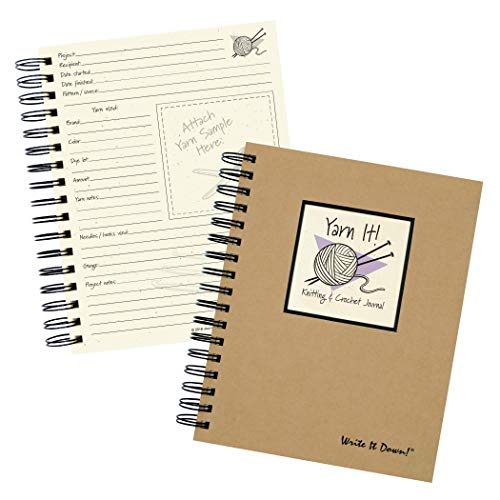

If you are the type of knitter who meticulously documents every row and modification, this is your holy grail. It provides expansive space for logging specific yarn yardage, needle materials, and even swatching notes.
When you’re working with complex lace or intricate cables, you need to know exactly how your fiber behaved after blocking. This journal allows you to record the "before and after" of your fabric, which is vital when working with high-twist merino or delicate alpaca blends.
The trade-off here is the sheer size of the book. It isn’t meant to be tossed into a project bag, but rather kept on your desk as a permanent reference library.
Mindful Knitting Planner: Best for Habit Tracking

Knitting is as much about the meditative process as the finished garment, and this planner focuses on that mental space. It includes sections for tracking your mood, your knitting time, and the emotional progress of a long-term project.
If you struggle with "startitis"—the urge to cast on five new projects before finishing the first—this planner helps you stay grounded. It encourages you to set small, daily goals that keep your hands moving without the pressure of a deadline.
However, if you prioritize technical data over mindfulness, you might find the lack of detailed row-counting space a bit limiting. Use this if your goal is to make knitting a consistent part of your daily self-care routine.
The Knitter’s Year: Best for Annual Planning
This planner is designed for the knitter who manages a queue of gift projects and seasonal goals. It provides a bird’s-eye view of your year, helping you pace your knitting so you aren’t frantically binding off Christmas presents on December 24th.
It excels at helping you budget your yarn purchases and plan for seasonal weight changes. For instance, you can map out your cotton projects for the summer and your heavy wool sweaters for the winter months.
It’s less about the specific stitch count and more about project management and time allocation. If you’re a prolific knitter with a long list of recipients, this structure will save your sanity.
Cocoknits Maker’s Journal: Best for Organization
The Cocoknits approach is legendary for its clean, modular design. This journal is built for the knitter who loves structure and appreciates a system that keeps everything in its place.
It features specialized pages for tracking yarn labels, needle inventories, and project swatches. This is incredibly useful when you need to remember if you used a nickel-plated or bamboo needle to hit gauge on a particular project.

The system is highly customizable, which can be a double-edged sword. If you don’t enjoy setting up your own filing system, the initial organization might feel like a chore rather than a help.
KnitLife Project Log: Best for Portable Tracking
When you knit on your commute or at the local cafe, you need a journal that fits comfortably in your project bag. The KnitLife log is compact, durable, and designed to withstand the wear and tear of travel.
It strips away the fluff and focuses on the essentials: pattern name, yarn used, needle size, and start/finish dates. It’s perfect for the "grab-and-go" maker who wants to keep a record without carrying a heavy binder.
The trade-off is limited space for long-form notes or detailed pattern modifications. If you are a minimalist knitter, this will be your most trusted companion.
The Knitting Pattern Journal: Best for Designers
If you have ever looked at a pattern and thought, "I could make this better," you are a budding designer. This journal provides the graph paper and structural templates necessary to draft your own designs or significant modifications.
It’s ideal for plotting out stranded colorwork or calculating decreases for a custom-fit sweater. You can sketch your ideas, calculate your stitch counts, and keep your math in one secure place.
This is a technical tool, not just a diary. If you aren’t interested in the math behind the knitting, you might find the grid-heavy pages a bit intimidating.
KnitCompanion App: Best for Digital Integration

Sometimes, paper isn’t enough, especially when you are working from a complex, multi-page PDF pattern. The KnitCompanion app allows you to track your progress digitally, highlighting rows and keeping your place with ease.
It’s a game-changer for complex lace or colorwork where losing your place means ripping back hours of work. You can sync your data across devices, ensuring your progress is always at your fingertips.
The downside is the reliance on battery life and screen time. If you prefer the tactile experience of pen and paper, this digital-only approach might feel cold or disconnected from the craft.
Why Every Knitter Needs a Dedicated Project Log
Memory is a fickle thing, especially when you have multiple projects on the needles. A project log acts as your "external brain," storing the details that your busy mind inevitably lets slip.
- Yarn tracking: Log the dye lot and brand so you can match colors later.
- Gauge records: Note the exact needle size and tension used for a specific fiber.
- Modification notes: Record where you added length or changed a neckline.
Without these notes, you are forced to re-swatch and re-calculate every time you return to a similar yarn or pattern. A log turns your past work into a reference manual for your future success.
Essential Elements to Track in Your Knitting Diary
To get the most out of your journaling, focus on the data that actually impacts your knitting outcomes. Start with the basics: yarn brand, weight (DK, worsted, fingering), and fiber content.
Always record your needle material, as it changes your gauge significantly. Slick metal needles often lead to a tighter gauge, while grippy wooden needles can result in a looser, more relaxed fabric.
Don’t forget to tape in a small swatch of the yarn used. Seeing the fiber and feeling its drape months later is far more helpful than any description you could write.
How to Choose the Right Planner for Your Knitting
Choosing the right journal comes down to your personal knitting style and what you find most frustrating about the craft. If you struggle with time management, go for an annual planner; if you struggle with technical details, choose a detailed project log.
Ask yourself: Do I want a keepsake, or do I want a technical tool? Are you a "knitter by the book" who follows patterns exactly, or do you thrive on improvising and modifying?
Ultimately, the best journal is the one you actually use. Don’t worry about keeping it perfect; a messy, ink-stained journal full of dropped stitches and spilled tea is the sign of a knitter who is truly creating.
Investing in a knitting journal is one of the most practical steps you can take to elevate your craft. Whether you prefer the tactile feel of paper or the efficiency of digital tracking, the act of recording your process creates a roadmap for your future projects. Choose the tool that fits your personal rhythm, and start documenting your fiber journey today. Your future self—and your stash—will thank you for the clarity.