6 Best Tabletop C-Clamps For Winding Stability Tested
We tested 6 top tabletop C-clamps for winding stability. Discover which models offer the best grip and durability to keep your projects secure and precise.
There is nothing more frustrating than mid-winding your favorite hand-dyed merino wool only to have your ball winder slide off the table. A winder is only as good as the clamp holding it down, as stability directly impacts the tension and shape of your yarn cakes. These six C-clamps offer the mechanical advantage needed to keep your equipment anchored through even the most aggressive winding sessions. Investing in a robust mounting system ensures your yarn remains tangle-free and ready for your next project.


Stanwood Needlecraft Metal Clamp: Best Overall
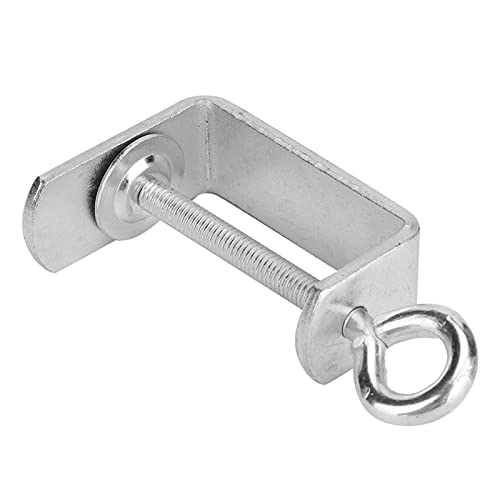
The Stanwood Metal Clamp is the gold standard for a reason. Its robust construction provides a consistent, vice-like grip that prevents the "wobble" often associated with lighter-duty plastic bases.
When you are winding a massive 400-yard skein of lace-weight alpaca, the torque on the winder is significant. This clamp handles that lateral stress with ease, keeping the winder perfectly perpendicular to the table edge.
The design is straightforward, prioritizing function over aesthetics. It fits a wide range of table thicknesses, making it a versatile choice for those of us who move our winding station between the kitchen table and a dedicated craft desk.
Stanwood Needlecraft Heavy Duty Table Clamp
If you use a high-capacity yarn winder that handles large, bulky cakes, the Heavy Duty version is your best friend. It features a wider contact surface that distributes pressure more effectively across the wood grain.
This extra surface area is crucial if you have a softer wood table, as it minimizes the risk of indentations. It provides that extra bit of "locked-in" feeling that gives you the confidence to crank the handle at a faster pace.
While it is bulkier, the trade-off in stability is worth it. You won’t find yourself stopping every thirty seconds to tighten a loose screw or re-align the winder.
KnitPal Ball Winder Replacement Clamp Base

The KnitPal base is an excellent solution for those who have accidentally cracked their original plastic winder housing. It serves as a reliable, no-nonsense replacement that gets you back to winding in minutes.
What I appreciate here is the focus on compatibility. It is designed to work with most standard-sized home winders, which are often sold with flimsy factory-issue clamps that wear out quickly.
It is a lightweight option, so it works best for standard fingering or DK weight yarns. If you are winding heavy, multi-ply wools, you may need to ensure your table edge is completely flat to maximize the grip.
Lacis Yarn Winder Replacement C-Clamp

Lacis has a long-standing reputation for quality in the fiber arts world, and this clamp is no exception. It is built with a focus on longevity, utilizing metal parts that won’t strip or degrade after a few months of use.
The thread mechanism is smooth, allowing for precise tensioning. This is vital when you are dealing with delicate fibers like silk or mohair blends that can be ruined if the winder shifts and creates a sudden tension spike.
It is a compact choice, ideal for smaller workstations. It fits snugly into tight spaces without feeling like it’s going to snap under the pressure of a full bobbin.
Strauch Fiber Equipment Steel Clamp Mount
Strauch is well-known for their high-end drum carders, and their engineering philosophy carries over into their clamp mounts. This is a heavy-duty, industrial-grade solution for the serious fiber artist.
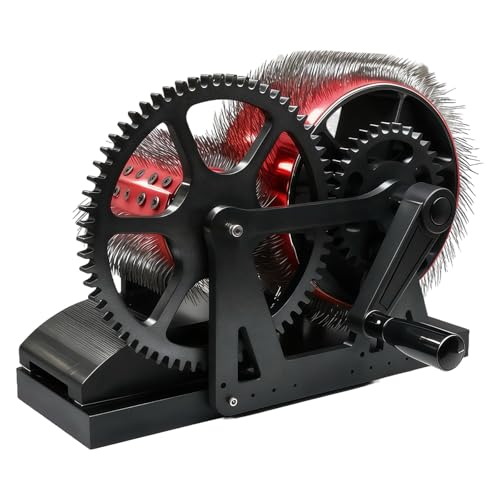
If you are winding large quantities of fiber for a major sweater project, this mount is the ultimate upgrade. It provides an unshakable foundation that essentially turns your winder into a permanent fixture of your studio.
The steel construction is virtually indestructible. While it is a higher investment, it is likely the last clamp you will ever need to purchase for your winding station.
Nancy’s Knit Knacks Heavy Duty Clamp Base
Nancy’s Knit Knacks understands the practical realities of a knitter’s workspace. Their heavy-duty base is designed to provide maximum clearance for tables with decorative aprons or molding.
Many standard clamps fail because the table edge is too thick or has a lip that prevents a secure fit. This base addresses that common "real-world" problem with a clever, extended reach design.
It is highly adjustable, allowing for a custom fit on a variety of surfaces. This takes the guesswork out of mounting, ensuring your winder stays put regardless of your furniture’s unique geometry.
Understanding C-Clamp Stability for Winders
Stability is not just about how hard you tighten the screw; it is about the physics of the lever arm. When you turn the crank, you are applying rotational force that wants to pull the winder off the table.
A good C-clamp acts as a fulcrum. The wider the base of the clamp, the better it resists that rotational force. If your clamp is too narrow, the winder will inevitably tilt, causing your yarn cake to lean and potentially collapse.
Always prioritize metal over plastic when possible. Metal threads allow for higher torque without the risk of the screw stripping, which is the most common point of failure in cheaper winders.
How to Measure Your Table for Secure Mounting
Before buying a clamp, you must measure the thickness of your table edge. Many winders are limited to a 1.5-inch or 2-inch capacity, which can be an issue if you have a thick farmhouse-style table.
Check for obstructions like drawers, metal frames, or decorative trim. A clamp needs a flat, unobstructed surface on both the top and the bottom of the table to maintain a secure grip.
If your table is too thin, the clamp might bottom out before it’s tight. In these cases, a simple block of wood used as a shim can save the day and provide the necessary surface for the clamp to bite into.
Preventing Surface Damage With Felt Padding
We all love our furniture, and the metal-on-wood contact of a C-clamp can leave permanent marks. Adding a layer of adhesive felt or a thin piece of rubber to the contact points is a simple, effective fix.
This also serves a functional purpose by increasing friction. A "grippier" surface means you don’t have to tighten the clamp as forcefully to keep the winder from sliding.
Avoid using slick materials like plastic or smooth vinyl for padding. You want a material that compresses slightly to absorb vibration and "bite" into the table surface.
Troubleshooting Common Winder Vibration Issues
If your winder is vibrating excessively, check the alignment of the yarn guide first. If the yarn is being pulled at an extreme angle, it creates uneven tension that causes the whole unit to shake.
Ensure the clamp is tightened evenly. A lopsided clamp will cause the winder to sit at an angle, which destabilizes the entire rotation and leads to uneven yarn cakes.
Finally, check your surface. If the table itself is lightweight or unstable, no clamp in the world can stop the vibration. In that case, move your station to a heavier, more solid piece of furniture to dampen the movement.
Finding the right clamp is a small but vital step in mastering your fiber preparation. By choosing a mount that matches your table’s geometry and your winding habits, you eliminate the biggest source of frustration in the process. Remember, a stable winder leads to consistent yarn cakes, which in turn leads to a more enjoyable and stress-free knitting experience. Choose your gear wisely, and your yarn stash will thank you.