7 Best Lint Shavers For Removing Pilling To Try
Revive your favorite clothes with our top 7 lint shaver picks. Discover efficient, effective tools to remove pilling and restore your wardrobe’s fresh look.
After spending two decades behind the needles, I have learned that pilling is simply the tax we pay for the joy of wearing handmade wool. While we can mitigate it through fiber choice and tension control, even the most expertly crafted sweater will eventually show signs of wear. A high-quality lint shaver is an essential tool in every knitter’s kit, acting as the final step in garment care that restores your hard work to its former glory. Here are the tools I trust to keep your handknits looking pristine season after season.
Philips Fabric Shaver: Best Overall Performance
The Philips model is a staple in the knitting community for a reason: it strikes the perfect balance between motor power and blade sensitivity. When you have spent forty hours on a stranded colorwork yoke, you need a tool that won’t snag or pull at delicate stitches.
Its design features a honeycomb-style mesh that effectively pulls in pills without pressing too hard against the fabric. This is crucial for maintaining the integrity of your yarn, especially if you are working with softer, single-ply wools that are prone to breakage.
If you are looking for a reliable, "set it and forget it" tool for your entire wardrobe, this is the one. It handles everything from sturdy worsted-weight sweaters to finer fingering-weight garments with grace.
Conair Fabric Shaver: Top Budget-Friendly Pick
If you are just starting your knitting journey and building your toolkit, you don’t need to break the bank to manage pilling. The Conair shaver is an accessible, entry-level option that performs surprisingly well for its price point.
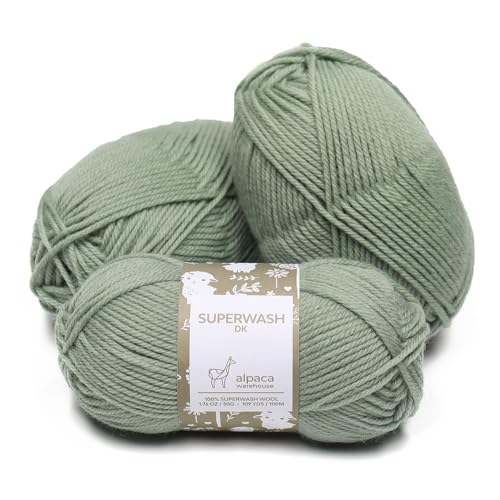
It is particularly effective on synthetic blends and superwash wools, which often produce those annoying little surface balls after the first few wears. While it may not have the motor longevity of more expensive units, it gets the job done for the casual knitter.

Just be mindful of your pressure with this one. Because it is lightweight, it is tempting to press firmly, but always let the tool glide across the surface to avoid thinning your fabric.
Gleener Fabric Shaver: Best for Delicate Knits

The Gleener is unique because it uses interchangeable edges rather than a single electric blade. This is a game-changer for someone who knits with a wide variety of fibers, from rustic, hairy Highland wool to smooth, slippery silk blends.
I highly recommend this for those who are nervous about using electric shavers on hand-dyed or hand-spun yarns. By choosing the edge that matches the weight of your fabric, you gain much more control over the friction applied to the fibers.
It is a manual tool, which means it requires a bit more elbow grease, but the trade-off is total peace of mind. You are far less likely to accidentally cut a strand of your precious yarn with this method.
Beautural Lint Remover: Best Large Surface Tool
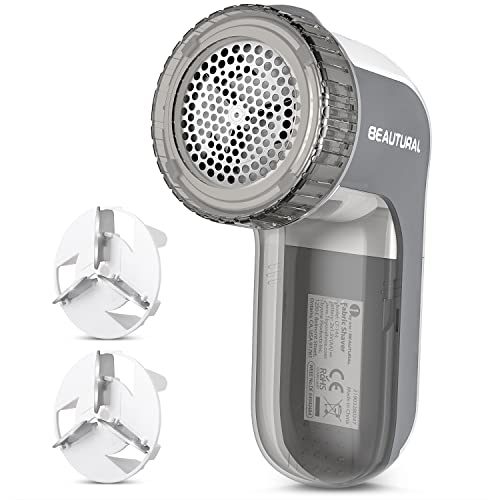
When you have just finished a massive, oversized blanket or a long-line cardigan, using a tiny shaver can feel like an endless chore. The Beautural features a wider head that covers more surface area in a single pass.
This tool is a lifesaver for those who knit with bulky or super-bulky yarns. The larger surface area prevents the tool from getting bogged down by the sheer volume of fiber being removed.
It is also quite effective at clearing away stray fibers that migrate to the surface of dark-colored knits. Just remember to empty the collection bin frequently, as its efficiency means it fills up faster than smaller models.
Rowenta Lint Shaver: Best for Heavy-Duty Knits

If you specialize in knitting with rustic, minimally processed wools, you know that these fibers tend to "felt" and pill quite aggressively. The Rowenta is built with a robust motor designed to tackle these tougher, more stubborn fibers.
It is my top recommendation for traditional gansey sweaters or heavy outdoor gear. These projects are meant to be worn hard, and this shaver is strong enough to keep them looking sharp without stalling out.
Be careful not to use this on delicate lace or fine-gauge silk, as the motor may be too aggressive for such fine work. Keep this one reserved for your hard-wearing, cold-weather staples.
Bymore Electric Lint Remover: Best Ergonomics
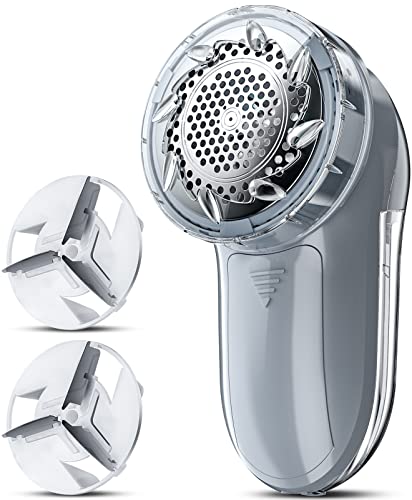
Knitting is a tactile hobby, and we often deal with hand fatigue after long sessions. The Bymore stands out because its handle is designed for comfort, making it the easiest to hold for extended periods of maintenance.
If you are doing a deep clean of your entire winter wardrobe, you will appreciate how well this fits in the palm of your hand. It reduces the strain on your wrists, which is a significant factor if you are already prone to repetitive strain from knitting.
The weight distribution is excellent, allowing the device to balance well against the fabric. You won’t have to fight the tool to keep it flush against the sweater’s surface.
Evercare Fabric Shaver: Best Portable Option

We often travel with our knitting, and sometimes your favorite sweater needs a quick touch-up while you are at a retreat or a fiber festival. The Evercare is compact, battery-operated, and small enough to toss into your project bag.
It is not meant for heavy-duty restoration, but it is perfect for on-the-go maintenance. It’s ideal for removing those few stray pills that appear on your sleeves after a long day of knitting.
Since it is so small, you can easily maneuver it around tricky areas like underarms or cuffs. It is a humble but essential companion for any traveling knitter.
How to Safely Remove Pilling From Your Knits
- Lay the garment flat: Always work on a solid, flat surface to ensure even contact and avoid stretching the fabric.
- Test in an inconspicuous area: Always start at the hem or inside the cuff to see how the fabric reacts before moving to the chest or sleeves.
- Use light, circular motions: Never push the shaver into the fabric; let the blades do the work while you just guide the tool.
- Check for loose ends: Before shaving, ensure there are no loose yarn tails or knots that could get caught in the blades.
Understanding Fiber Types and Pilling Risk
Pilling is a natural byproduct of fiber abrasion, and some fibers are much more prone to it than others. Understanding these traits helps you manage your expectations before you even cast on.
- Short-staple fibers: These have more fiber ends that can work their way to the surface, leading to more pilling.
- Soft, lofty yarns: Yarns like cashmere or angora are beautiful but pill quickly because the fibers are inherently slippery and prone to migration.
- Multi-ply yarns: A tightly twisted, high-ply yarn will generally resist pilling better than a loosely spun, low-ply yarn.
- Synthetic blends: These are often the worst offenders, as the strong fibers hold onto the pills rather than letting them wear off naturally.
Essential Tips for Maintaining Your Knitwear
The best way to manage pilling is to prevent it through proper garment care. Washing your knits inside out in a mesh laundry bag reduces the friction that causes surface pilling in the first place.
Always use a gentle wool wash and avoid harsh agitation. If you are hand-washing, never wring out your knits; instead, roll them in a clean towel to remove excess moisture before laying them flat to dry.
Finally, keep your knitwear stored properly. Cedar chests or breathable cotton bags protect your sweaters from moths and prevent unnecessary rubbing against other garments in your closet.
Taking care of your handknits is the final act of love in the creative process. By choosing the right tool and practicing mindful maintenance, you ensure that your sweaters remain soft, beautiful, and wearable for years to come. Don’t fear the pill; simply treat your garments with the same care you used to stitch them, and they will serve you well. Happy knitting, and may your sweaters stay as smooth as your stockinette.