6 Best Fiber Combs For Smoothing Surfaces Worth Using
Discover the 6 best fiber combs for smoothing surfaces. This guide explores top-rated tools to achieve a flawless, professional finish with ease and precision.
There is nothing more heartbreaking than finishing a labor-intensive sweater, only to see it sprout unsightly pills after a few weeks of wear. As knitters, we invest hundreds of hours into our craft, and maintaining the pristine surface of our garments is just as important as the initial cast-on. Choosing the right tool to smooth your fibers can be the difference between a rejuvenated heirloom and a ruined masterpiece. This guide explores the most effective fiber combs and shavers to keep your handknits looking fresh for years to come.
The Gleener Ultimate Fuzz Remover: Best Overall


The Gleener is a staple in my knitting bag because it offers a non-electric, three-in-one approach to fabric care. It features interchangeable edges designed for different fiber weights, which is essential when you are switching between a bulky-weight wool sweater and a fine-gauge silk-blend top.
Unlike electric shavers that can sometimes snag on loose stitches or uneven tension, the manual nature of the Gleener gives you total control. You can feel exactly how much pressure you are applying, which is vital when working on delicate hand-dyed yarns that might have thinner sections.

The bottom line is that the Gleener is the most versatile tool for a serious knitter’s kit. It doesn’t require batteries, making it perfect for taking to retreats or knitting circles where you want to touch up a garment before showing it off.
The Conair Fabric Shaver: Best Budget Choice
If you have a closet full of commercially produced sweaters or high-traffic socks that need a quick refresh, the Conair is a reliable workhorse. It is an electric shaver that uses a rotary blade to cut away pills, making it incredibly fast for large surface areas.

The tradeoff here is precision; because it is electric, you must be extremely careful around seams, cables, or decorative bobbles. If you accidentally press too hard or catch a loose yarn end, the blade can easily slice through your knitting, creating a hole that is notoriously difficult to repair.
Use this tool only on flat, stockinette-stitch areas of heavy-duty garments. It is an excellent budget choice for the "everyday" wardrobe, but I would keep it far away from your hand-spun, lace-weight mohair projects.
The Lily Brush Fabric Shaver: Best for Pet Hair
For those of us who share our knitting space with furry companions, the Lily Brush is a game-changer. It isn’t a shaver in the traditional sense, but rather a specialized silicone brush designed to grab pet hair and loose lint that gets woven into the fiber structure.
Traditional shavers often just move pet hair around or push it deeper into the twist of the yarn. The Lily Brush uses friction to lift these fibers to the surface so they can be easily wiped away without damaging the yarn’s ply or texture.
It is particularly effective on darker yarns where pet hair is most visible. I recommend using this as a preventative measure after every few wears to stop hair from matting into the fabric over time.
The Philips Fabric Shaver: Best for Delicate Knits
The Philips shaver is often praised for its protective mesh guard, which keeps the blades at a consistent distance from the fabric. This is a critical feature if you are worried about "eating" your knitting, as it prevents the blade from getting too close to the delicate loops of your stitch work.
This tool is exceptionally good for fine-gauge knits, such as fingering-weight wool or baby alpaca blends. It handles the gentle fuzzing that occurs on high-quality natural fibers without stripping away the soft halo that makes these yarns so desirable in the first place.
Always test on an inconspicuous area, like the inside of a hem, before tackling the front of a garment. Even with a guard, it is better to be safe than sorry when dealing with luxury fibers.
The Bymore Portable Lint Remover: Best for Travel
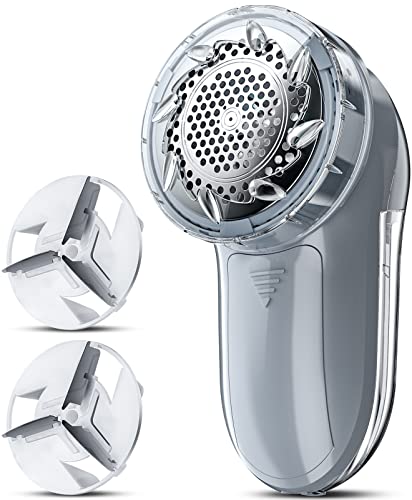
This compact, rake-style tool is small enough to fit in a notions tin, making it the ideal companion for travel. It functions like a fine-toothed comb, pulling pills away from the fabric surface with a simple dragging motion.
Because it is so small, it is best suited for quick touch-ups on the go rather than de-pilling an entire sweater. It works surprisingly well on dense, felted, or tightly knit fabrics where the pills are stubborn and need a bit of mechanical force to release.
Be mindful that this tool can be quite aggressive on loose, airy knits. If your gauge is relaxed or you are using a soft, single-ply yarn, use a very light touch to avoid pulling the fibers out of the fabric.
The Woolfiller Tool: Best for Heavy Woolens
The Woolfiller tool is a unique approach that doesn’t just remove pills; it helps you repair and reinforce worn areas on heavy woolens. It uses a specialized needle-felting technique to "fill in" areas where the fabric has thinned or developed holes due to friction.
This is an advanced tool for those who knit with high-twist, rustic wools that tend to felt slightly over time. Instead of trying to smooth the surface, you are essentially adding new fiber to the worn spots to restore the structural integrity of the garment.

It is a fantastic way to extend the life of your favorite winter sweaters. While it requires a bit of practice to master the felting motion, the results are far more durable than a simple darning job.
How to Choose the Right Comb for Your Fiber Type
Choosing the right tool depends entirely on the fiber content and the construction of your project. As a general rule, the more delicate the fiber, the more manual and gentle your tool should be.
- Superwash Wool: These fibers are slippery and prone to pilling; use a manual comb or a gentle electric shaver with a guard.
- Alpaca and Mohair: Avoid aggressive shavers that will strip the beautiful halo; use a soft-bristled brush or your fingers to gently pick off surface pills.
- Cotton and Linen: These plant fibers are durable and don’t pill in the same way, but they can get "fuzzy." A sturdy, fine-toothed comb works best here.
Always consider the ply of your yarn. A high-twist, multi-ply yarn is much more resistant to damage than a soft, single-ply yarn, which can be shredded by even the mildest shaver.
Understanding Fiber Pilling and How to Prevent It
Pilling is a natural byproduct of friction, occurring when short, loose fibers migrate to the surface of the yarn and tangle together. It is not necessarily a sign of poor yarn quality; in fact, many soft, luxury fibers pill more because they lack the rigid structure of coarser wools.
To prevent excessive pilling, wash your garments inside out to minimize surface friction during the laundry cycle. Additionally, avoid wearing high-friction accessories like heavy backpacks or rough-textured denim jackets over your handknits.
If you find that your project is pilling constantly, it may be a result of your gauge. If your stitches are too loose for the yarn weight, the fibers have more room to escape the twist and form pills.
Proper Technique for Smoothing Knitted Surfaces
When using any tool, always lay your garment perfectly flat on a hard, stable surface like a blocking board or a table. Never try to de-pill a garment while wearing it, as you cannot maintain the necessary tension to keep the fabric flat.
Work in small sections, moving in one direction rather than scrubbing back and forth. This prevents you from creating new knots or pulling at the integrity of the stitch loops.
If you are using a manual comb, hold the fabric taut with your free hand. This tension prevents the comb from catching on a stitch and pulling it out of alignment, which is the most common cause of "run" stitches during maintenance.
Maintaining Your Fiber Combs for Longevity
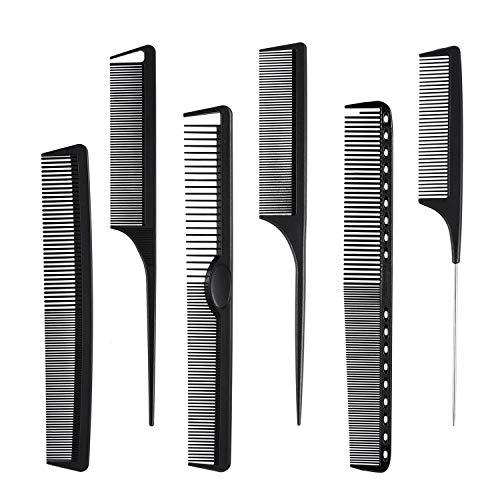
Like your knitting needles, your fiber tools need a little love to perform their best. If you are using an electric shaver, empty the lint trap after every use to ensure the motor doesn’t overheat and the blades remain unobstructed.
For manual combs, use a small, stiff-bristled brush to remove any fibers that get stuck in the teeth. If you leave lint in the tool, it will eventually lose its effectiveness and you’ll find yourself pushing pills back into the fabric rather than removing them.
Store your tools in a dry, dust-free environment. A dedicated notions pouch works well to keep your combs protected and ready for the next time your favorite sweater needs a little TLC.
Maintaining your handknits is a labor of love that honors the time and effort you put into your projects. By selecting the right tool for your specific fiber type and using a gentle, controlled technique, you can keep your garments looking brand new for years. Remember that fiber care is a skill just like knitting itself, and with a bit of practice, you will become an expert at keeping your wardrobe in pristine condition. Happy knitting, and may your sweaters stay as soft and fuzz-free as the day you cast them off.