6 Best Fabric Scissors For Precise Trimming To Own
Discover the top 6 fabric scissors for flawless trimming. This guide evaluates durability, blade sharpness, and ergonomic design for your sewing projects.
A dull pair of scissors is the silent enemy of every fiber artist, often turning a crisp, clean cut into a frayed, frustrating mess. Whether you are trimming ends on a delicate mohair lace shawl or cutting fabric for a custom project bag lining, the right tool makes all the difference. Investing in quality shears is just as important as choosing the right wool for your gauge. Here are the tools that will help you achieve clean, precise cuts every time.
Gingher 8-Inch Knife Edge Dressmaker Shears


Gingher is the gold standard for many of us who grew up learning to sew alongside our knitting. These shears are famous for their knife-edge grind, which allows them to slice through fabric rather than pushing it aside.
The weight is substantial, providing a sense of control that lighter, cheaper scissors simply lack. If you are cutting through heavy-duty canvas for a project bag or thick wool felt for an appliqué, these feel like an extension of your hand.
However, they do require a bit of maintenance. Because they are made from high-carbon steel, you must keep them dry and occasionally oiled to prevent rust. If you are diligent, they will last a lifetime.
Kai 7230 9-Inch Professional Series Shears

When you need to cut through multiple layers of fabric without the material shifting, Kai is the brand to reach for. These shears use high-carbon stainless steel, which offers a smoother, more effortless cutting action than almost anything else on the market.
The ergonomic handle design is a standout feature, especially if you suffer from hand fatigue after a long day of knitting. If your hands get tired from holding needles, you will appreciate how little pressure is needed to close these blades.
They are incredibly sharp, so be careful when you first start using them. They glide through slippery linings and dense cottons with the same precision, making them a versatile choice for any sewing room.
LDH Scissors Midnight Edition Fabric Shears
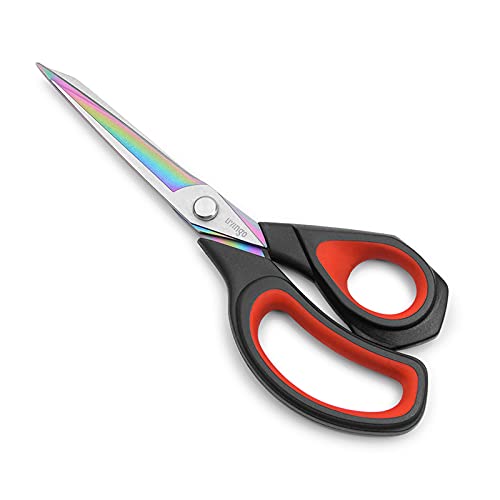
These shears are as beautiful as they are functional, featuring a matte black finish that looks stunning on any crafting table. Beyond the aesthetics, the industrial-grade carbon steel provides an incredibly crisp cut that stays sharp for a long time.
I find these particularly useful when working with delicate silk or rayon linings. They don’t snag or pull at the fibers, which is essential when you want your finished project to look professional.
The balance of the scissors is excellent, feeling neither too heavy nor too flimsy. If you value tools that are both high-performing and well-designed, these are a top-tier choice.
Fiskars Amplify RazorEdge Fabric Shears
Fiskars is a household name for a reason, but the Amplify series is a significant step up from their standard range. These are designed with a unique sensor-touch mechanism that senses when you are cutting thicker materials and adjusts the blade tension accordingly.
This is a game-changer if you frequently switch between lightweight cottons and heavy wool coatings. You don’t have to worry about the fabric "chewing" at the tips, which is a common problem with lower-quality scissors.
While they are made of plastic and metal, they are surprisingly durable. They are a fantastic entry point for someone who wants professional results without the maintenance requirements of high-carbon steel.
Merchant & Mills Wide Bow Scissors for Detail
Sometimes you don’t need a massive pair of shears; you need something small and nimble for precise trimming. These wide bow scissors are perfect for clipping threads close to your knitting or trimming seam allowances in tight corners.
The wide bow design allows you to get a comfortable grip, even if you have larger hands. It’s a classic, utilitarian design that reminds me of the tools used in traditional tailoring.
Because they are small, they are also very portable. I keep a pair in my project bag for snipping yarn ends while I’m working on the go, as they are far more precise than a standard pair of snips.
Westcott 8-Inch Titanium Bonded Sewing Shears

Titanium-bonded blades are incredibly resistant to wear and tear. If you are the type of crafter who is a bit rough on their tools, these are a reliable, low-maintenance option that won’t break the bank.
The blades are harder than standard stainless steel, meaning they hold their edge through many, many projects. They are also corrosion-resistant, which is a big plus if you live in a humid climate.
While they might not have the "buttery" feel of a high-end professional shear, they are consistently reliable. For a beginner looking to upgrade from basic craft scissors, these are a solid, no-nonsense choice.
How to Choose the Best Scissors for Your Fabric
Choosing the right scissors depends entirely on the weight and texture of your material. A heavy wool tweed requires a different blade than a fine silk or a delicate lace-weight yarn.
- Weight: Heavier fabrics need shears with a longer blade and a sturdy pivot point.
- Precision: For detail work, look for a shorter blade with a fine, pointed tip.
- Ergonomics: Always prioritize a handle that fits your hand comfortably to avoid strain.
Think about your most common projects. If you mostly sew heavy bags, invest in a heavy-duty shear; if you do a lot of delicate embroidery or fine garment sewing, prioritize a precision blade.
Understanding Blade Material and Edge Retention
The material of the blade dictates how often you need to sharpen them. High-carbon steel is the gold standard for sharpness, but it demands regular oiling and dry storage.
Stainless steel is more resistant to rust but may need sharpening more frequently depending on the quality of the alloy. Titanium-bonded blades offer a middle ground, providing great durability and resistance to wear.
Don’t be fooled by "self-sharpening" claims on cheap scissors. A truly sharp edge is the result of a high-quality grind, and there is no substitute for a professional sharpening service once the edge eventually fades.
Essential Tips for Maintaining Your Fabric Shears
Your scissors are an investment, so treat them with respect. Never store them in a damp place, and wipe the blades clean with a soft cloth after every use to remove lint and dust.
If the pivot screw loosens, use a small screwdriver to tighten it just enough so the blades don’t feel floppy. However, be careful not to overtighten, or you will create friction that dulls the blades faster.
Finally, have them professionally sharpened once a year if you use them daily. A professional sharpener will restore the factory angle, which is something you simply cannot replicate at home with a kitchen tool.
Why You Should Never Use Fabric Scissors on Paper
This is the golden rule of sewing: keep your fabric scissors away from paper. Paper contains abrasive fillers and clay that act like sandpaper on your blades, dulling them almost instantly.
Even a single cut through a paper pattern can ruin the crispness of a high-end blade. Once your scissors are dull, they will start to "chew" your fabric instead of cutting it, leading to fraying and uneven edges.
Keep a cheap pair of craft scissors in your drawer specifically for paper and cardboard. Label them clearly so you aren’t tempted to grab your good shears when you’re in a hurry to cut out a pattern.
Finding the perfect pair of scissors is a journey that mirrors the process of finding your favorite knitting needles or yarn weight. By understanding the mechanics of your tools, you ensure that your hard work isn’t compromised at the final step. Treat your shears with care, keep them away from paper, and they will serve you faithfully for years to come. Happy crafting, and may your cuts always be as clean as your stitches.