6 Best Decorative Silk Fibers For Surface Embellishment
Discover the top six silk fibers for surface embellishment. This guide explores textures and techniques to elevate your textile art with luxurious finishes.
Adding silk to your hand-knits transforms a simple garment into an heirloom-quality piece of wearable art. While silk is often praised for its drape, its true power lies in the variety of textures available for surface embellishment. Choosing the right fiber means balancing the aesthetic you want with the structural integrity of your base fabric. These six silk varieties offer distinct characteristics that can elevate any project from basic to breathtaking.
Mulberry Silk Noil: Best for Rustic Texture


Mulberry silk noil is essentially the "leftovers" of the silk industry, consisting of short, nubby fibers that pack a massive punch of character. Unlike the long, smooth filaments of traditional silk, noil has a matte, slightly fuzzy appearance that mimics the look of raw cotton or linen.
If you are working on a piece that feels too polished or "store-bought," noil is your best friend. Its irregular surface catches the light differently than smooth yarns, creating a subtle, organic depth that adds soul to a plain stockinette background.
The trade-off here is durability. Because the fibers are shorter and less cohesive, they can pill more easily than reeled silks if subjected to high-friction areas like underarms or elbows. Use noil for decorative accents on yokes or hemlines where the fiber won’t be constantly abraded.
Tussah Silk Top: Best for Natural Colorwork

Tussah silk is harvested from wild silkworms, resulting in a beautiful, natural golden-beige hue that is incredibly difficult to replicate with synthetic dyes. It is typically sold as "top"—a long, combed sliver of fiber—making it ideal for spinning or for applying directly to your fabric as a roving embellishment.
The natural variations in color provide an earthy, grounded aesthetic that pairs perfectly with wools and alpaca. When you lay this over a dark woolen sweater, the contrast is sophisticated and muted rather than flashy.
Be mindful that Tussah is generally more "grippy" than cultivated Mulberry silk. If you are needle-felting it into a base, it will lock into wool fibers quite quickly. However, it can be a bit more challenging to manipulate if you are trying to achieve perfectly smooth, flat lines.
Bombyx Silk Hankies: Best for Fiber Art

Silk hankies are made from cocoons that have been degummed and stretched over a square frame. When you pull them apart, they transform into thin, gossamer-like webs that can be layered to create ethereal, cloud-like effects on your knitting.
These are not for the faint of heart; they require a delicate touch and a bit of patience. You can stretch them thin enough to be translucent or keep them thick for a sculptural, 3D effect that sits off the surface of your work.
They are perfect for adding "drama" to a shawl or a statement piece. Just remember that because they are so airy, they are susceptible to snagging. They are best reserved for special occasion garments rather than daily-wear sweaters.
Reeled Silk Ribbon: Best for Embroidery
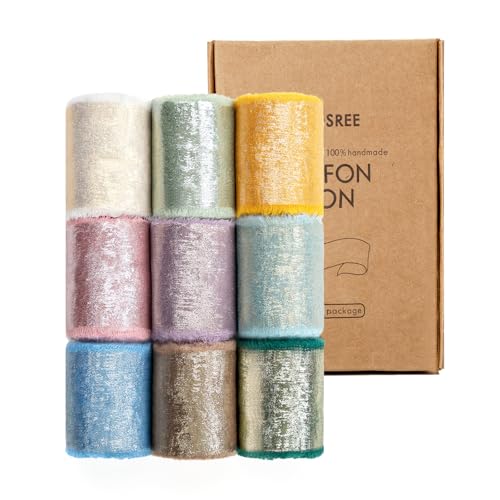
Reeled silk is the gold standard of luxury, featuring long, continuous filaments that create a high-sheen, smooth ribbon. This is the material you want if you are looking to do detailed surface embroidery, such as French knots or lazy-daisy stitches, directly onto your finished knit.
The sheen is unmatched, reflecting light in a way that makes your stitches pop against the matte background of wool or cotton. Because it is a continuous filament, it is also incredibly strong and resists the pilling issues found in noil or hankies.
The biggest challenge is managing the tension. Silk ribbon is slippery; if you don’t secure your knots properly or if you pull too tight, the ribbon can slip through the stitches of your base fabric. Always use a slightly larger needle for your embroidery to avoid splitting the base yarn.
Mulberry Silk Throwsters: Best for Details

Throwsters waste, or "throwsters," consists of the fine, tangled silk filaments discarded during the commercial spinning process. It is essentially a bundle of fine, lustrous threads that can be teased out to add shimmer and highlights to a project.
I love using throwsters for "painting" with fiber. You can couch these strands down with a contrasting thread to create flowing lines, or simply tack them onto the surface to add a subtle, metallic-like glow to the cuffs or collar of a garment.
They are surprisingly resilient given their fine appearance. Because they are long, continuous filaments, they don’t shed as much as noil, but they can tangle easily if you pull too much out of the bundle at once. Work in small, controlled sections to keep your sanity intact.
Silk and Mohair Blend: Best for Softness
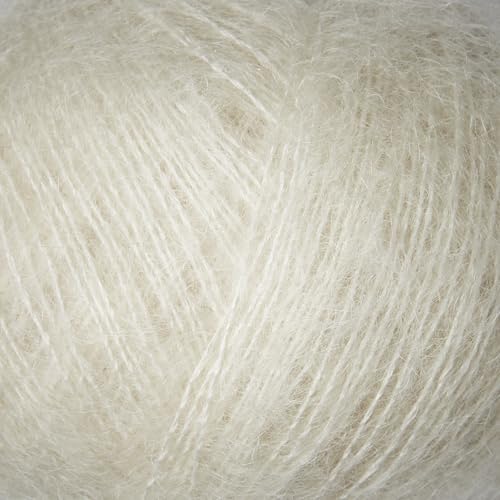
Sometimes you want the luster of silk but the halo and softness of a luxury animal fiber. Silk-mohair blends, often sold as "lace weight" yarn, are the ultimate choice for adding a soft, fuzzy texture that feels like a cloud against the skin.
You can hold a strand of this alongside your main yarn for a subtle color-shift, or use it to embroider soft, blurred edges onto your work. It creates a "painterly" effect that is much softer than pure silk embroidery.
The downside is the "mohair halo." If you aren’t careful, the fibers will migrate into your base fabric, making it difficult to remove if you ever need to repair or change your design. Treat it as a permanent design choice rather than a temporary embellishment.
How to Choose Silk for Surface Embellishment
When selecting your silk, look first at the fiber construction. Ask yourself if you need durability (choose reeled silk) or if you are chasing a specific texture (choose noil or hankies).
Consider the weight of your base fabric. A heavy, cabled sweater can handle the weight of thick silk ribbon, while a delicate fingering-weight shawl will be distorted by anything too heavy. Always swatch your embellishment on a scrap piece of your base yarn to see how the weight affects the drape.
Finally, think about the intended use. If the item is meant to be washed frequently, avoid loose fibers like hankies or throwsters. Stick to embroidery or couched threads that are securely anchored to the fabric structure.
Techniques for Attaching Silk to Your Knits
Couching is the most reliable method for attaching silk. This involves laying your silk fiber across the surface and using a fine sewing thread or a matching yarn to "tack" it down at regular intervals.
If you are working with rovings or hankies, needle felting is a fantastic, fast option. You can push the silk fibers directly into the wool base using a felting needle, which locks the fibers into the structure of the knit without needing any sewing.
For a more traditional look, use a tapestry needle to stitch the silk directly through the loops of your knitting. Just be careful not to pull the stitch tight, as this will create a dimple in your fabric. Always aim to catch the "legs" of the knit stitches to distribute the tension evenly.
Essential Tools for Working With Silk Fibers
You don’t need a massive kit, but a few specialized tools make a world of difference. A sharp, high-quality pair of embroidery scissors is non-negotiable; dull blades will fray silk instantly.
Keep a selection of tapestry needles in various sizes. You want a needle that is large enough to carry your silk without shredding it, but small enough to pass through your base fabric without stretching the stitches.
If you are felting, invest in a high-density foam pad to protect your work surface and your fingers. A multi-needle felting tool can speed up the process, but a single needle provides the precision required for fine detail work.
Proper Care and Cleaning for Silk Embellished
Silk is a protein fiber, much like wool, but it reacts differently to water and agitation. Always hand-wash your embellished knits in cool water with a gentle, pH-neutral wool wash.
Never wring or twist the garment, as this can crush the texture of the silk or cause the embellishments to shift. Instead, roll the item in a thick towel to absorb excess moisture, then lay it flat to dry away from direct sunlight, which can fade both the silk and the dye.
If you have used loose fibers like silk hankies, be aware that they may felt slightly over time with repeated washing. This is part of the charm of handmade work, but if you want to keep the "cloud" effect, handle the garment as little as possible during the cleaning process.
Embellishing with silk is an invitation to play with light, texture, and dimension in ways that standard knitting cannot achieve. By understanding the unique properties of each silk variety, you gain the confidence to make bold design choices that reflect your personal style. Start small with a simple accent, and you will quickly see how these fibers turn your hand-knits into true masterpieces. Happy making, and enjoy the process of adding that final, luxurious touch to your work.