
6 Best Yarn Swift Pulleys For Smooth Operation
Optimize your yarn winding with our top 6 swift pulleys. Discover durable, smooth-operating picks that prevent tangles and ensure efficient fiber prep today.
There is nothing more frustrating than a tangled mess of yarn stalling your creative momentum just as you sit down to cast on a new project. A high-quality yarn swift acts as your extra set of hands, holding hanks steady so you can wind them into cakes without a single snag. Choosing the right tool depends on your workspace, the frequency of your winding, and the types of fibers you prefer to use. These six options represent the gold standard for achieving a smooth, consistent operation every time you prep your stash.
Stanwood Needlecraft Tabletop Swift: Best Overall
This swift is a staple in many well-equipped knitting studios for good reason. Its design strikes a perfect balance between a sturdy base and a smooth, fluid rotation that rarely catches.
The tabletop clamp is particularly versatile, fitting onto a wide variety of surfaces without damaging your furniture. It handles everything from delicate lace-weight mohair to heavy, rustic wools with equal reliability.


Because it is so stable, you can maintain a consistent tension while winding. This is crucial for avoiding stretched-out yarn, which can ruin your gauge later on.
Bottom line: If you want a reliable, "set-it-and-forget-it" tool that works across almost any yarn weight, this is the best investment for your craft room.
Amish-Style Wooden Yarn Swift: Best Value
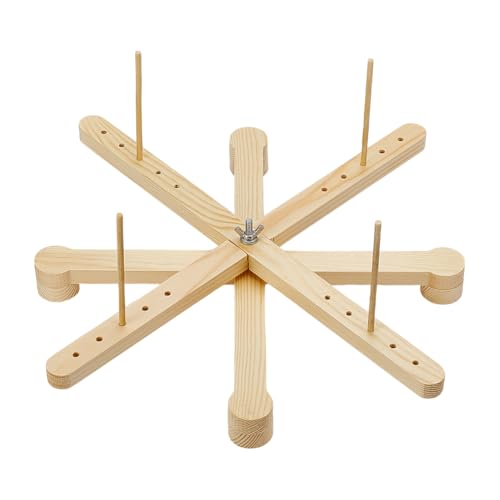
The Amish-style swift is a classic for a reason: it relies on simple, gravity-fed mechanics rather than complex gears. It sits directly on your table, making it an excellent choice for those who don’t want to worry about clamps.
Because it is made of wood, it has a natural, slightly grippy surface that helps keep slippery silk or superwash merino from sliding off the arms. It is also incredibly portable and folds down into a slim profile for easy storage.
You might notice it doesn’t spin quite as fast as an umbrella-style swift. However, for most knitters, this slower pace actually leads to a more controlled, even winding process.
Bottom line: If you are looking for a budget-friendly, space-saving solution that is built to last, you cannot go wrong with this traditional design.
Knit Picks Wooden Umbrella Swift: Best Smooth Spin

When you need to wind a large volume of yarn quickly, the Knit Picks umbrella swift is a top performer. Its lightweight construction allows for a very low-friction spin, meaning the yarn feeds off the swift with almost no resistance.
This is particularly helpful when you are working with fragile, hand-dyed yarns that might break if they experience sudden tugs. The smooth movement ensures the yarn remains in a consistent state of tension from start to finish.

The umbrella mechanism is intuitive and quick to set up, which is a lifesaver when you are eager to start knitting. Just be sure to tighten the tension screw securely to prevent it from wobbling during high-speed winding.
Bottom line: This is the go-to choice for knitters who prioritize speed and fluidity without wanting to spend a fortune on professional-grade hardware.
Lacis Wooden Umbrella Swift: Best Professional Pick
The Lacis swift is widely regarded as a high-end tool that offers exceptional precision. It is crafted with tighter tolerances and higher quality wood, which results in a much smoother, wobble-free rotation.
If you frequently wind large, heavy skeins of yarn, you will notice the difference in the structural integrity of the arms. They won’t sag or bend under the weight, which is a common issue with cheaper alternatives.
This is a tool designed for someone who winds yarn on a daily basis. It feels substantial, looks beautiful on a shelf, and operates with a level of refinement that makes the winding process feel like a luxury.
Bottom line: For the serious fiber artist who wants a lifetime tool with superior craftsmanship, the Lacis is worth every penny.
Strauch Jumbo Ball Winder Swift: Best Heavy Duty

If you work with large, bulky, or super-bulky yarns, a standard swift might feel flimsy or undersized. The Strauch system is specifically engineered to handle the weight and volume of heavy-gauge fibers.
The base is heavy and exceptionally stable, ensuring that even when you pull a large amount of yarn, the swift stays firmly in place. It is built to withstand the torque that comes with winding heavy skeins into large, dense cakes.
While it is a larger piece of equipment, the performance is unmatched for those who knit blankets or heavy sweaters. You won’t have to worry about the yarn dragging or the swift tipping over.
Bottom line: This is the ultimate heavy-duty powerhouse for knitters who consistently work with large-format projects and bulky fibers.
U-nitt Tabletop Yarn Swift: Best Compact Design

For those living in smaller spaces or knitters who travel to retreats, the U-nitt swift is a fantastic compact option. It is small enough to fit in a project bag but sturdy enough to perform its job effectively.
The design is straightforward and easy to assemble, making it great for beginners who might be intimidated by more complex umbrella swifts. It does the job without taking up your entire table surface.
While it lacks the "pro" feel of the larger models, it is perfectly adequate for standard-sized hanks. It is a practical tool that solves the problem of tangles without requiring a dedicated studio space.
Bottom line: If you are short on space or need a portable option for knitting on the go, this is your best bet.
How to Properly Set Up Your Yarn Swift for Use
Setting up your swift correctly is the secret to preventing the "yarn barf" that happens when a cake collapses. First, ensure your swift is placed at a comfortable height relative to your ball winder.
If the swift is too low or too high, the angle of the yarn will be inconsistent, leading to uneven tension. You want the yarn to flow in a gentle, straight line between the two tools.
Always check that your swift arms are expanded to the correct diameter for your specific hank. If the arms are too small, the yarn will sag; if they are too wide, you risk stretching the fibers.
Bottom line: Take the extra thirty seconds to align your tools before you start winding; it will save you minutes of detangling later.
Essential Maintenance Tips for Your Yarn Swift
Wooden swifts benefit from a light coat of furniture wax every so often to keep the moving parts gliding smoothly. If you notice the rotation becoming sluggish, check for dust or fiber buildup in the central pivot point.
Avoid storing your swift in high-humidity areas, as wood can swell and cause the joints to stick. If you have a metal-based swift, a tiny drop of sewing machine oil on the bearings can work wonders.
Always collapse your swift fully before storing it to prevent the arms from getting bent or snapped. Treating your swift like a fine knitting needle ensures it remains a reliable part of your toolkit for decades.
Bottom line: Regular cleaning and occasional lubrication are the keys to keeping your swift operating like new.
Why Ball Winders and Swifts Work Best Together
A swift is designed to hold the yarn, while a ball winder is designed to shape it into a center-pull cake. Using a swift alone is better than using your chair or a friend’s hands, but it doesn’t give you that convenient center-pull feature.
When you pair a swift with a ball winder, you create a controlled tension system. The swift releases the yarn smoothly, and the winder applies just enough drag to create a firm, tidy cake that won’t collapse.
This combination is essential for preventing the "yarn chicken" scenario, as center-pull cakes allow you to work from both ends if necessary. It also keeps your yarn clean and free from the dust that accumulates on loose balls.
Bottom line: Invest in a winder and a swift as a pair; they are two halves of the same essential process.
Troubleshooting Common Yarn Swift Snags and Issues
The most common issue is the "yarn jump," where the strand slips off the arm of the swift. This usually happens because the swift is spinning too fast or the hank is too loose.
If your yarn keeps slipping, try placing a small rubber band on the end of each swift arm to create a "stop." This simple hack provides just enough friction to keep the yarn from sliding off.
If your swift is wobbling, check your clamp or the surface you are using. A piece of shelf liner placed under the base can provide extra grip and stability on slick table surfaces.
Bottom line: Most snags are tension-related; slow down your winding speed and ensure your setup is rock-solid.
Investing in a quality yarn swift transforms the tedious task of prepping hanks into a satisfying, meditative part of your knitting routine. By choosing a tool that fits your space and the types of fibers you love, you eliminate the friction that often precedes a project. With your yarn properly wound and your swift well-maintained, you are free to focus on what really matters: the stitches on your needles. Happy knitting, and may your yarn always flow freely.
