6 Best Yarn Cake Center Pull Guides For Knitting Ease
Discover the 6 best yarn cake center pull guides to prevent tangles. Improve your knitting flow and efficiency with these essential tools for every crafter.
There is nothing more frustrating than mid-row momentum being shattered by a yarn ball that decides to roll across the floor and collect every bit of dust in its path. Achieving a perfect center pull is the secret to a seamless knitting experience, allowing your yarn to flow effortlessly from the core without constant tugging. Whether you are working on a delicate lace shawl or a heavy wool sweater, the right tool makes all the difference in your tension consistency. This guide explores the best ways to keep your yarn organized and your knitting rhythm uninterrupted.
Yarn Valet Yarn Dispenser: Best Overall Choice
The Yarn Valet is a game-changer for those who prefer a stationary, no-fuss approach to dispensing yarn. Unlike traditional winders, this device acts as a cradle that keeps your cake upright and stable while you pull from the center.
It is particularly effective if you are working with slippery fibers like silk or bamboo blends that tend to slide off a standard yarn bowl. Because it doesn’t rely on gears or mechanical winding, there is literally nothing to break or jam during a long knitting session.
The bottom line is that the Yarn Valet offers the most reliable, low-maintenance experience for the average knitter. It is the perfect choice if you want to focus entirely on your stitch pattern rather than managing your yarn supply.
Stanwood Needlecraft Yarn Ball Winder: Top Pick
If you want the industry standard for creating professional-grade cakes, the Stanwood Needlecraft winder is the one you will see in most serious fiber studios. It features heavy-duty metal gears that produce a dense, uniform cake capable of holding a large yardage of worsted or bulky weight yarn.


The beauty of this winder lies in its stability and the precision of its tension guide. When you are winding a high-twist wool that is prone to snapping, the smooth movement of the Stanwood prevents the yarn from stretching or fraying during the process.
Be aware that this is a significant investment compared to plastic models, but the durability is unmatched. If you find yourself winding yarn every single week, the long-term reliability makes this the smartest purchase you can make.
Knit Picks Yarn Ball Winder: Best Budget Option
For the knitter who is just starting to build their stash or only winds yarn occasionally, the Knit Picks winder is an excellent entry point. It is lightweight, portable, and gets the job done without requiring a high upfront cost.
While it lacks the heavy-duty metal components of more expensive models, it creates a perfectly functional center-pull cake for standard-weight yarns. It works best with fingering or sport-weight yarns; if you try to force a massive skein of super-bulky yarn onto it, the plastic gears may struggle.
This tool is ideal for someone who wants to organize their stash into neat, stackable cakes without breaking the bank. It proves that you don’t need a professional-grade machine to enjoy the benefits of a tidy, tangle-free yarn supply.
Nancy’s Knit Knacks Yarn Ball Winder: Pro Pick
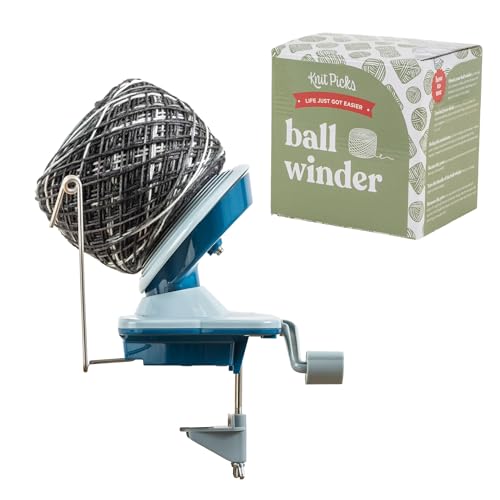
Nancy’s Knit Knacks is known for engineering tools that solve the specific headaches knitters face, and their winder is no exception. This model is designed for those who wind large quantities of yarn frequently, often handling luxury fibers that require a delicate touch.
The construction is exceptionally sturdy, and the design allows for a very smooth winding motion that minimizes the "yarn barf" that can occur with cheaper machines. It is a favorite among knitters who buy yarn in hanks and need to prep large projects, like a multi-skein sweater, in one sitting.
The tradeoff here is the price point and the learning curve associated with its specific tensioning system. However, if you are a serious maker who values precision and longevity, this is a tool that will likely last you a lifetime.
Lacis Yarn Ball Winder: Best Manual Selection
The Lacis winder is a classic, manual-crank device that appeals to knitters who prefer tactile control over their tools. Because you are manually controlling the speed, you have a much better sense of the yarn’s tension as it moves from the hank to the ball.
This manual control is a major advantage when winding delicate, hand-dyed yarns that might have slight variations in thickness or twist. You can instinctively slow down when you feel a knot or a fragile section of the yarn, preventing the breakage that can occur with a fast-moving automatic winder.

While it requires more physical effort, the Lacis winder is incredibly reliable and virtually impossible to "break" in the way a gear-driven machine might fail. It is a fantastic option for the deliberate knitter who enjoys the ritual of preparing their yarn before a project.
Cowgirl Yarn Ball Winder: Best Portable Design
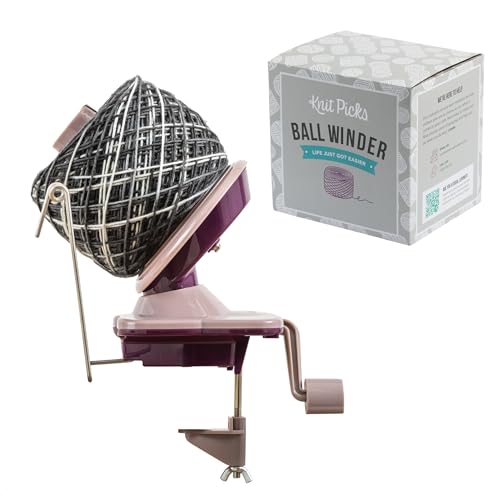
If you are a traveling knitter who attends retreats or loves to knit on the go, the Cowgirl Yarn Ball Winder is designed with portability in mind. It is compact enough to fit into a project bag while still providing the functionality of a full-sized winder.
The design is streamlined, making it easy to set up on a hotel desk or a small coffee shop table. It is perfect for winding up a single skein of sock yarn while you are away from your home studio.
Keep in mind that its small footprint means it isn’t designed for massive, 400-gram cones of yarn. It is a specialized tool meant for convenience and portability, serving as a perfect companion to your primary home-based winder.
Why You Need a Center Pull for Tangle-Free Yarn
A center pull is the holy grail of knitting organization because it keeps your yarn stationary while you work. When you pull from the outside of a ball, the yarn rolls around, gathers debris, and eventually collapses into a knotted mess.
By pulling from the center, the cake stays perfectly still on your table or in your yarn bowl. This eliminates the "bouncing" effect that can mess with your tension, especially when you are working on intricate colorwork or lace where consistent gauge is non-negotiable.
Ultimately, a center pull isn’t just about tidiness; it is about protecting the integrity of your yarn. Preventing friction and unnecessary tangles ensures that your finished fabric looks as professional and clean as possible.
How to Properly Use a Yarn Winder for Pulls
The most common mistake knitters make is winding the yarn too tightly, which can stretch the fibers and compromise the elasticity of your finished garment. Always aim for a "snug but soft" tension as you feed the yarn through the guide.
Start by securing your winder to a sturdy, flat surface to ensure it doesn’t wobble during the process. If your yarn is in a hank, you must use a swift; trying to wind from a loose pile on the floor is a recipe for disaster and will almost certainly result in a knot.
Once you finish, gently remove the cake from the winder and tuck the center tail inside. If you don’t secure that center end, the cake can collapse from the inside out, defeating the entire purpose of your hard work.
Maintaining Your Yarn Winder for Long-Term Use
A yarn winder is a mechanical device, and like any machine, it requires a little bit of love to keep it running smoothly. Periodically check the gears for any stray fibers or dust bunnies that may have accumulated during your winding sessions.
If your winder starts to squeak or feels sluggish, a tiny drop of sewing machine oil on the moving parts can make a world of difference. Never force the crank if you feel resistance; stop immediately and check the yarn path for a snag or a tangle.
Store your winder in a clean, dry place when not in use, preferably covered to keep dust out of the internal mechanisms. Taking these small steps will ensure that your winder remains a reliable part of your knitting kit for years to come.
Troubleshooting Common Yarn Cake Pull Problems
If your center pull keeps collapsing, it usually means the cake was wound too loosely or that the yarn has a very high silk or synthetic content that lacks "grip." Try winding at a slightly slower, more consistent speed to create a more stable structure.
If you experience "yarn barf"—that sudden, giant clump of yarn that comes out of the center—it is often caused by winding too much yarn at once or not keeping the tension consistent. It is better to wind two smaller, manageable cakes than one giant, unstable one.
Finally, if the yarn is constantly catching, check your tension guide for any rough edges or residue from the yarn itself. A quick wipe with a soft cloth is usually enough to restore the smooth flow required for a perfect, tangle-free pull.
Choosing the right yarn winder is a personal decision that depends on your project volume, your fiber preferences, and your budget. By investing in a tool that suits your specific habits, you turn the tedious task of winding into a satisfying part of your creative process. Remember that the goal is always to keep your yarn pristine and your knitting flow uninterrupted. Happy knitting, and may your yarn always pull from the center without a single snag.