7 Best Storage Chests For Heirloom Knits To Preserve
Protect your precious heirloom knits with our top 7 storage chest picks. Learn how to prevent moth damage and fiber degradation with the right materials.
After spending hundreds of hours hand-knitting a complex cable-stitch sweater or a delicate lace shawl, the last thing you want is for moths or moisture to ruin your hard work. Proper storage is the final, crucial step in the life cycle of a handmade garment, acting as a safeguard for your precious fiber investments. Choosing the right chest isn’t just about aesthetics; it’s about creating a stable micro-environment that respects the structural integrity of wool. These seven storage solutions offer the protection your heirloom knits deserve while keeping your stash organized and accessible.
The Container Store Cedar Lined Storage Trunk
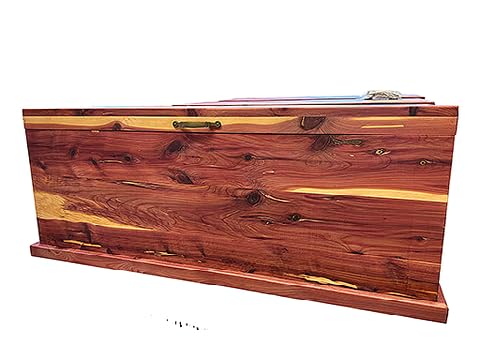

This trunk is a staple for those who prioritize structural integrity and natural protection. Its cedar lining acts as a powerful, natural deterrent against the pests that plague our wool collections.
The build quality is substantial, which is vital when you are storing heavy, cabled wool sweaters that can lose their shape if compressed improperly. Unlike flimsy plastic bins that trap humidity, the wood allows for a subtle exchange of air.
If you have a collection of heirloom-quality wool, this trunk provides a reliable, long-term home. It is an investment piece, but when you consider the cost of the yarn alone in a single adult-sized sweater, the protection is well worth the price.
Whitmor Extra Large Cedar Wood Storage Chest

Sometimes, you simply need more room for your growing collection of hand-knits. This extra-large option is ideal for those who have a mix of bulkier items, like fisherman-style sweaters, and lighter accessories.
Because it is made of cedar, you get the benefit of natural pest control without needing chemical mothballs, which can leave a lingering, unpleasant odor on your fibers. The size allows you to store items without cramming them, which is essential to prevent fiber compaction.
Be mindful that this chest is quite large, so ensure you have a dedicated space for it. It is best used for items you rotate seasonally, such as swapping out your wool winter gear for lighter linen or cotton blends during the summer.
Household Essentials Cedar Storage Chest Bench

This piece is a clever dual-purpose solution for the knitter with limited space. It serves as both a storage unit for your finished garments and a comfortable place to sit while you work on your next project.
The bench design is sturdy enough to hold your weight while you sit and pick up stitches or weave in ends. Having your storage integrated into your workspace keeps your finished knits protected yet close at hand.
Just remember to keep the lid clear of heavy items when you need to access your knits. It is a fantastic way to blend functional storage with a cozy, dedicated knitting nook.
Seville Classics Handwoven Wicker Storage Chest
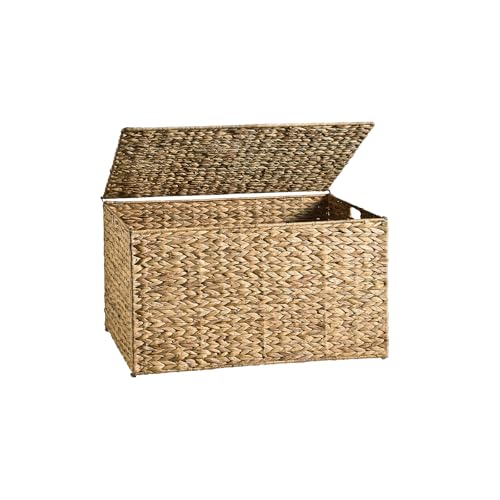
Wicker offers a beautiful, rustic aesthetic, but it requires a bit more caution than solid wood. It provides excellent airflow, which is generally good for natural fibers, but it doesn’t offer the same pest-repelling properties as cedar.
If you choose this, I highly recommend lining the interior with acid-free tissue paper or a cotton fabric cover. This prevents the raw wicker from snagging delicate yarns, especially if you have items with intricate lace or mohair.
This chest is best suited for items you use frequently, as the breathability is high. It is a stylish choice for a bedroom or living room where you want your storage to double as decor.
Safavieh American Home Collection Storage Chest

This chest leans into a more traditional, furniture-grade aesthetic that fits perfectly in a formal bedroom or hallway. It is a solid choice if you want your storage to look like a permanent part of your home’s interior design.
The construction is generally durable, providing a stable environment that keeps light and dust away from your knits. Light exposure is a hidden enemy for dyed yarns, as it can cause fading over time; a solid, opaque chest like this is a great defense.
When using a piece like this, ensure it is placed away from direct heat sources like radiators. Even in a beautiful chest, heat can dry out wool fibers, making them brittle over time.
Winsome Wood Mission Style Storage Chest

The Mission style is known for its clean lines and sturdy construction, which translates well into a protective home for your knits. It offers a classic look that doesn’t feel overly fussy or ornate.
Because it is made of solid wood, it provides a very stable environment. It is particularly well-suited for storing heavier items like wool blankets or heavy-gauge sweaters that need a reliable, non-collapsing structure.
As with any wooden chest, check the interior for any rough spots before storing your knits. A light sanding or a layer of smooth acid-free paper will ensure that even your most delicate hand-dyed yarns remain snag-free.
BirdRock Home Decorative Wicker Storage Trunk
This trunk is a great middle-ground option for those who want the breathability of wicker with a more finished, decorative look. It often comes with a fabric liner, which is a massive plus for knitters.
That liner acts as a barrier between your yarn and the potentially rough texture of the wicker. It also helps to keep dust out while still allowing the fibers to "breathe," which is essential for preventing mold in humid climates.
Always remember to check the liner periodically for dust accumulation. Keeping the interior clean is just as important as the chest you choose to keep your knits in.
Why Cedar Wood Is Best for Protecting Wool Knits
Cedar is the gold standard for wool storage because it contains natural aromatic oils that repel moths and other fiber-eating insects. Unlike synthetic mothballs, cedar is non-toxic and leaves behind a pleasant, earthy scent that most knitters find quite soothing.
The wood also has a unique ability to absorb excess moisture, which helps maintain a stable humidity level inside the chest. This is critical because moisture is the primary culprit behind mold and mildew growth on natural fibers.
- Pest Deterrence: The natural oils act as a biological barrier.
- Moisture Regulation: It prevents the dampness that attracts pests and fungus.
- Longevity: Cedar is a durable material that resists warping over time.
However, remember that the scent of cedar fades over time. You can refresh the protective properties by lightly sanding the interior wood every year or two to expose fresh, aromatic fibers.
Essential Tips for Preparing Knits for Storage
Never store a garment that hasn’t been cleaned, even if you’ve only worn it once. Body oils, skin cells, and microscopic food particles are an invitation for pests, regardless of how high-quality your storage chest is.
Before tucking your knits away, ensure they are completely dry after washing. Even a hint of moisture trapped in the center of a thick cable or a folded seam can lead to mildew, which is nearly impossible to remove from wool.
- Wash Thoroughly: Use a gentle wool wash to remove all residues.
- Dry Completely: Lay flat and ensure full airflow for at least 24 hours.
- Pest Inspection: Look closely at seams and underarms for any signs of moth activity.
If you are storing items for an extended period, consider placing them in a breathable, acid-free garment bag before putting them inside the chest. This adds an extra layer of security against dust and accidental snags.
Proper Folding Techniques to Prevent Creasing
Heavy sweaters should never be hung on hangers, as the weight of the garment will stretch the shoulders and distort the neckline. Folding is the only way to maintain the structural integrity of a hand-knit piece over the long term.
When folding, try to minimize the number of folds to prevent permanent creases in the yarn. For large sweaters, a "roll" method is often better than a traditional fold; simply fold the sleeves in, then roll the garment from the hem upward.
- Avoid Over-stuffing: Give your knits room to breathe; compaction leads to distorted stitches.
- Use Tissue Paper: Place acid-free tissue between folds to soften the pressure points.
- Rotate Items: Periodically refolding your knits prevents the same areas from being under pressure for years.
If you notice a stubborn crease, a light steam from a distance (without touching the iron to the fabric) is usually enough to relax the fibers. Always let the garment cool and dry completely before returning it to the chest.
Preserving your hand-knits is an act of respect for the time and skill you poured into every stitch. By choosing a high-quality chest and following these simple maintenance habits, you ensure your work remains a cherished heirloom for years to come. Take the time to store your pieces properly now, and you will be rewarded with pristine garments every time the season turns. Happy knitting, and may your stash stay safe and beautiful.