7 Best Knitwear Organizers For Closets Worth Trying
Keep your sweaters snag-free and shapely. We explore the 7 best knitwear organizers to maximize closet space and preserve your favorite wool pieces for years.
After spending two decades watching beautiful hand-knits lose their shape on flimsy wire hangers, I’ve learned that how you store your work is just as important as the gauge you choose. Proper storage prevents the dreaded "sweater slump" and keeps your precious wool away from hungry pests. Whether you have a curated collection of heirloom cables or a growing stash of unfinished objects, the right system makes all the difference. Here are the storage solutions that actually respect the integrity of your fibers.
Container Store Elfa Mesh Drawer System for Knits
The Elfa system is the gold standard for those of us with a serious sweater habit because it prioritizes airflow. Knits, especially those made from animal fibers like wool or alpaca, need to breathe to prevent moisture buildup and mildew.
Unlike solid plastic bins, the mesh construction allows air to circulate freely around your garments. This is vital if you live in a humid climate where trapped moisture can lead to that musty smell we all dread.
The drawers are also modular, meaning you can adjust the heights to accommodate bulkier items like aran-weight cardigans. Just be mindful of the metal edges; if you’re storing delicate lace shawls, consider lining the bottom with acid-free tissue paper to prevent any potential snagging.
mDesign Stackable Fabric Closet Storage Bins


These bins are a fantastic entry-level choice for knitters who need to organize their stash by weight or fiber type. Because they are soft-sided, they are much more forgiving than hard plastic containers when you’re stuffing in a bulky, hand-knit pullover.
I often suggest these for organizing your "in-progress" projects or seasonal accessories like hats and mittens. They keep your knitting projects contained and dust-free without taking up permanent shelf space.
The main trade-off here is structural support; they don’t hold their shape perfectly when empty. However, for a knitter looking for a flexible solution that can be tucked away under a shelf, they are incredibly practical.
Whitmor Hanging Sweater Shelves for Yarn Stashes

If your closet floor is disappearing under a mountain of yarn, hanging shelves are an excellent way to reclaim your vertical space. These are perfect for storing folded sweaters that are too heavy to hang but too nice to hide in a drawer.
The biggest mistake I see beginners make is stacking their heaviest, most dense sweaters at the bottom of these units. Over time, the weight can cause the shelves to sag, putting unnecessary stress on your stitches.
Always place your lighter, fingering-weight garments or lace shawls on the bottom shelves. Reserve the top tiers for your sturdier, worsted-weight wools to keep the center of gravity balanced.
Amazon Basics 6-Shelf Closet Organizer Shelves

These organizers are the workhorses of the knitting world, offering a straightforward way to categorize your collection. I recommend grouping your garments by fiber content, such as keeping your superwash wools separate from your more delicate, non-superwash hand-dyed yarns.
Because these units often use hook-and-loop fasteners to attach to a closet rod, they are easy to move as your collection grows. They are a "set it and forget it" solution for the knitter who wants to see exactly what they have at a glance.
Just remember that visibility is a double-edged sword; if these are in direct sunlight, your natural fibers will eventually fade. Keep them in a shaded part of your closet to preserve the vibrancy of your hand-dyed skeins and finished garments.
StorageWorks Cotton Rope Baskets for Knitwear
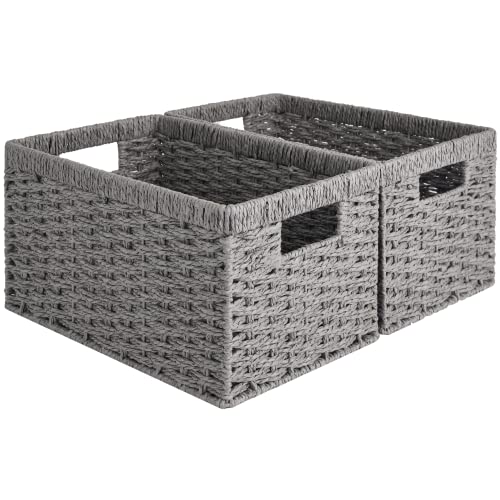
There is something aesthetically pleasing about storing a soft, woolly sweater inside a soft, cotton basket. These are my top pick for the "active" rotation—the sweaters you reach for every single morning during the winter.
The cotton rope construction is breathable, which is essential for maintaining the health of your fibers. Unlike synthetic bins that can trap heat and humidity, these allow your knits to exist in a stable, ventilated environment.
Be careful with the weave of the basket, though. If the rope is tightly twisted and rough, it can snag a delicate mohair blend or a loose-gauge brioche stitch. When in doubt, fold a piece of smooth cotton fabric inside the basket to act as a protective liner.
Lifewit Large Capacity Breathable Garment Bags

For your most precious, labor-intensive projects—like that intricate cabled sweater that took you six months to finish—garment bags are a must. These aren’t for daily use; they are for long-term protection against dust, light, and the occasional moth.
Look for bags made of breathable fabric rather than clear plastic. Plastic creates a greenhouse effect that can actually damage natural fibers over time, whereas breathable fabric protects the garment while allowing it to "rest."
I always suggest adding a cedar block or a lavender sachet inside the bag before zipping it up. It provides a layer of natural protection that keeps your wool smelling fresh and safe from pests.
MaidMAX Under Bed Storage for Seasonal Sweaters

When the weather turns warm, your heavy wool sweaters need a dedicated place to hibernate. Under-bed storage is ideal because it keeps your knits in a cool, dark environment, which is exactly what fibers like alpaca and wool prefer.
These containers are great for storing your "off-season" knits, but never store them dirty. Even if you don’t see a stain, invisible oils from your skin or traces of food can attract moths during the long summer months.
Always wash and block your garments before tucking them away. A clean, properly blocked sweater is far less likely to be targeted by pests than one that has been worn a few times before being stored.
How to Properly Fold Knits to Prevent Stretching
The most common mistake I see in the knitting community is hanging heavy sweaters on standard hangers. Gravity is the enemy of a hand-knit; it will stretch the shoulders and distort the neckline of your masterpiece within weeks.
- The "File" Fold: Fold your sweater in half vertically, then fold the sleeves across the body. Finally, fold the bottom hem up to the neckline so the sweater is a compact rectangle.
- Avoid Tight Creases: If you are stacking them, don’t stack more than three high. The weight of the top sweaters will compress the stitches of the bottom ones, leading to unwanted creases.
- Use Acid-Free Tissue: If you must fold a sweater for a long time, place a sheet of acid-free tissue paper between the folds to prevent the fibers from matting.
Best Materials for Long-Term Wool Garment Storage
Choosing the right storage material is as important as choosing the right needle size for your gauge. You want to avoid anything that traps moisture or off-gasses chemicals that could weaken your yarn.
- Cotton or Linen: These are the gold standard for breathable storage bags or liners.
- Cedar Wood: Naturally repels pests and adds a pleasant scent, but ensure it doesn’t touch the garment directly to avoid oil transfer.
- Acid-Free Archival Boxes: If you have an heirloom piece, this is the safest way to ensure it survives for generations.
Avoid cardboard boxes from the grocery store, as they are often acidic and can yellow your light-colored wools. Always opt for materials that are pH neutral to ensure your hard work stays in pristine condition.
Essential Tips for Protecting Knits from Moths
Moths are the nightmare of every knitter, but you can win the war with consistent habits. They are attracted to protein fibers—wool, silk, and alpaca—especially when those fibers have any trace of human sweat or skin oils.
Never store a sweater that has been worn, even for an hour, without airing it out. If you aren’t ready to wash it, let it sit in a well-ventilated, bright room for 24 hours to let the fibers "breathe" and dry out completely.
If you find a moth, don’t panic. Seal the affected garment in a plastic bag and place it in the freezer for at least 72 hours; the sub-zero temperatures will kill eggs and larvae without damaging the fibers.
Storing your hand-knits isn’t just about keeping your closet tidy; it’s about honoring the hundreds of hours you’ve invested in your craft. By choosing breathable materials and avoiding the temptation to hang your heavy sweaters, you ensure your work remains as beautiful as the day you cast off. Treat your knitwear with the same care you used to stitch it, and your garments will last a lifetime. Happy knitting, and may your closet be as well-organized as your stash.