7 Best Fabric Combs For Wool Maintenance To Try
Keep your wool garments pristine with our top 7 fabric combs. Discover the best tools to remove pilling and extend the lifespan of your favorite knitwear.
Pilling is the inevitable tax we pay for the joy of wearing natural wool, a natural byproduct of friction on soft, spun fibers. While seeing those tiny bobbles on a hand-knit sweater can feel like a heartbreak, it is simply a sign that your garment is being well-loved. With the right tools, you can restore your knits to their original, pristine glory without compromising the integrity of the yarn. Here is how to navigate the world of fabric maintenance to keep your woolens looking like they just came off the blocking board.
Gleener Ultimate Fuzz Remover: Best Overall Pick
The Gleener stands out because it offers three distinct, interchangeable edges, which is a game-changer for someone with a diverse fiber stash. Instead of a one-size-fits-all approach, you can swap heads depending on whether you are working on a chunky, rustic wool or a delicate, fine-gauge merino.
For a knitter, this is vital because not all pills are created equal. A bulky, single-ply yarn will have different pilling characteristics than a tightly twisted, multi-ply superwash wool. Having control over the "aggression" of the tool prevents you from accidentally snagging a stitch or creating a hole in your hard-won fabric.

The trade-off here is that it requires a manual touch, which means you have to be mindful of your pressure. If you are heavy-handed, even the gentlest edge can pull at the fibers. Bottom line: This is the most versatile tool for a serious knitter’s kit.
Conair Fabric Shaver: Best Budget Option
The Conair is a staple in many sewing rooms for a reason: it is affordable, accessible, and does the job quickly. It is an electric rotary shaver that creates a consistent, uniform finish on flat-knit fabrics.
When you are dealing with a large-scale project, like a sweater knit in a simple stockinette stitch, this tool saves hours of manual labor. It is particularly effective on synthetic blends or sturdy, non-superwash wools that can handle the mechanical action of the spinning blades.
However, be wary of using this on loose, float-heavy colorwork. The blades can easily catch a loose strand of yarn tucked behind the fabric, leading to a catastrophic snag. Bottom line: Use this for sturdy, flat-knit garments, but keep it far away from your intricate lace or delicate hand-dyed yarns.
Philips Fabric Shaver: Best for Delicate Knits
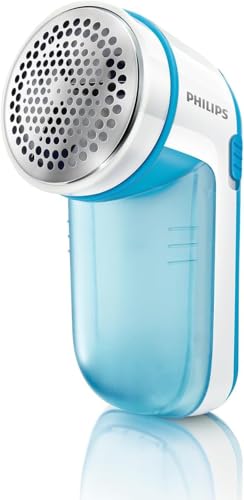
The Philips model is engineered with a focus on precision and safety, featuring a honeycomb mesh that keeps the blades at a safe distance from the fabric surface. For those who knit with high-end, luxury fibers like silk-mohair blends or fine cashmere, this added layer of protection is essential.
In the knitting world, we often worry about "thinning" our fabric through over-maintenance. This tool excels because it removes only the surface fuzz without digging into the structural integrity of the stitches. It is a subtle, controlled approach that respects the loft of your yarn.
The drawback is that it is less effective on large, dense pills on heavy-weight wool. It is a tool for maintenance, not for aggressive restoration. Bottom line: Choose this if you prioritize the longevity of your most expensive, fragile hand-knits.
Beautural Fabric Shaver: Best Large Surface Tool
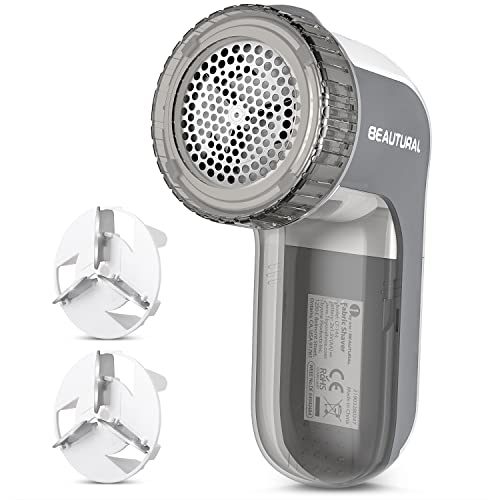
If you have spent months knitting a massive, oversized blanket or a long duster coat, the Beautural is your best friend. Its wide head covers more ground per pass, significantly reducing the time spent hunched over your project.
The adjustable height settings are the real selling point here. By raising the guard, you can safely tackle textured stitches like cables or bobbles without shearing off the very details you worked so hard to create.
Just remember that "large surface" does not mean "mindless." Even with a wide head, you must keep the fabric taut to avoid accidental nicks. Bottom line: This is the go-to for high-volume maintenance on large-scale projects.
Rowenta Lint Shaver: Best for Heavy Wool Coats

Rowenta is known for its heavy-duty performance, and this shaver is no exception when it comes to dealing with dense, felted, or heavy wool fabrics. It has the motor power to tackle stubborn, matted pills that smaller, battery-operated shavers simply cannot budge.
When you have a dense, worsted-weight wool coat, you need a tool that doesn’t stall under pressure. The consistent power of this unit ensures that you don’t end up with "patchy" spots where the shaver slowed down.
Be careful, though—this power can be dangerous on lighter-weight wools. It is too aggressive for anything with a delicate halo or fine, open stitch patterns. Bottom line: Reserve this for your heavy-duty, dense woolens that need a serious refresh.
HiTouch Fabric Comb: Best Portable Manual Tool

The HiTouch comb is a simple, elegant solution that relies on friction rather than blades. It is essentially a fine-toothed tool that gently pulls the pills away from the surface of the knit.
This is perfect for tossing into your project bag when you are traveling to a knit night or a fiber festival. You don’t have to worry about batteries, motors, or blades, making it the safest option for almost any fiber type.
The downside is that it requires physical effort and patience. It is not designed for a total sweater overhaul, but rather for spot-treating a few stray pills while you wait for the bus. Bottom line: Keep this in your notions pouch for on-the-go maintenance.
D-Fuzz-It Sweater Comb: Best for Cashmere Care
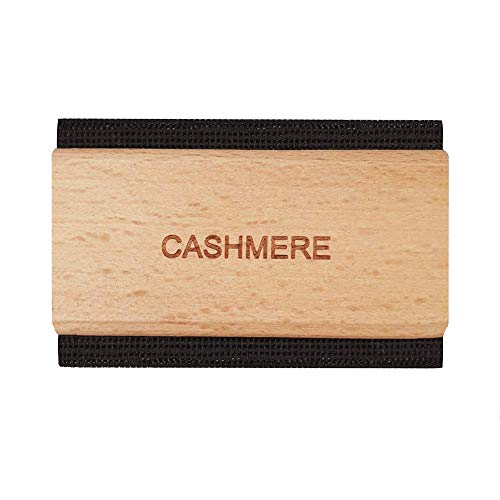
Cashmere is a fiber that demands respect, and the D-Fuzz-It is designed to handle it with extreme care. It is a classic, manual tool that works by gently brushing the fiber to lift and remove pills.
Because it uses a brushing motion rather than a cutting one, it helps to realign the fibers of your knitwear. This can actually make the fabric look and feel softer after use, rather than just "shaved."
It is not a quick fix, and it requires a gentle hand to ensure you aren’t pulling the yarn out of the twist. Bottom line: Use this for your most precious, high-loft fibers where blade-based shavers feel too risky.
How to Safely Remove Pilling From Your Knitwear
Always start by laying your garment on a perfectly flat, hard surface like a table or a blocking board. Never try to de-pill a sweater while you are wearing it, as you cannot maintain the necessary tension to keep the fabric away from the blades.
- Tension is key: Keep the fabric taut, but do not overstretch it, or you will distort the stitch gauge.
- Start slow: Always test your chosen tool on an inconspicuous area, like the inside of a hem or the underarm, before tackling the front of the sweater.
- Work in sections: Take your time and follow the direction of the knit stitches to avoid unnecessary friction.
If you are using an electric shaver, move in small, circular motions rather than long, sweeping strokes. This helps prevent the shaver from catching on a stray loop or a cable crossing.
Understanding Fiber Types and Pilling Tendencies
Pilling is a function of fiber length and twist. Shorter, less-processed fibers are more likely to migrate to the surface and tangle into pills, which is why soft, high-loft yarns like cashmere or alpaca pill more readily than a tightly twisted, long-staple wool like Corriedale.
- Superwash wool: Often prone to pilling because the scales have been removed, making the fibers slicker and more prone to slipping out of the twist.
- High-twist yarns: Generally pill less because the fibers are locked tightly into the structure of the yarn.
- Synthetic blends: Often pill more aggressively because the strong fibers don’t break off, instead holding onto the pills and creating a "matting" effect.
Recognizing these tendencies helps you manage your expectations. A sweater made of a loose-spun, single-ply yarn will always require more maintenance than a sweater made of a sturdy, multi-ply yarn.
Essential Tips for Maintaining Your Wool Garments
The best way to manage pilling is to prevent it before it starts. Proper washing is the most critical step; always use a wool-specific wash that adds back a bit of softness and prevents the fibers from becoming brittle.
- Wash inside out: This reduces the friction on the outer surface of the garment.
- Use a mesh bag: This prevents the sweater from rubbing against the drum of the machine or other items in the wash.
- Let it rest: Don’t wear the same wool sweater for three days straight; give the fibers time to recover and "breathe" between wears.
Ultimately, pilling is a natural part of the lifecycle of a wool garment. By choosing the right tool for the specific fiber and stitch, you can keep your hand-knits looking beautiful for years to come.
Maintaining your knitwear is not just about aesthetics; it is about honoring the time and effort you poured into your craft. Whether you prefer the precision of a manual comb or the speed of an electric shaver, the key is to work with patience and respect for the fiber. By integrating these simple maintenance habits into your routine, you ensure your favorite pieces remain staples in your wardrobe for decades. Happy knitting, and may your stitches stay smooth and your sweaters remain pill-free.