
7 Best Nylon Webbing For Durable Straps To Choose
Discover the top 7 nylon webbings for long-lasting straps. Learn how to choose the right material for strength, weather resistance, and superior durability.
Selecting the right webbing is much like choosing the perfect yarn for a complex cable project; the fiber’s integrity dictates the longevity of your finished work. Whether you are crafting heavy-duty project bags or reinforcing the straps of a custom-knit carrier, the material must withstand significant tension. This guide breaks down the best nylon webbing options to ensure your handmade creations remain secure and functional for years. Understanding these structural fibers is the key to elevating your gear from simple DIY to professional-grade equipment.
Country Brook Design Heavy Nylon: Best Overall
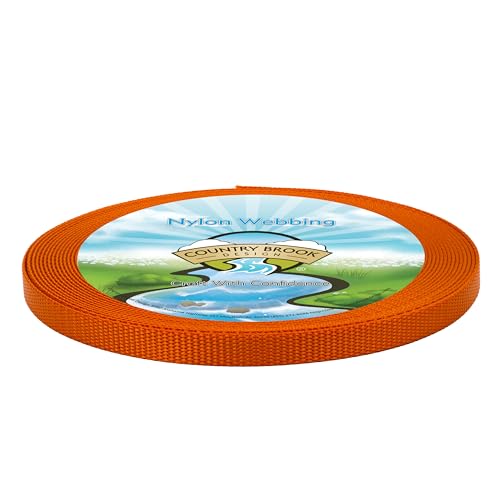

This webbing is the workhorse of the fiber world, much like a reliable, high-twist wool that never pills. Its tight weave provides a consistent structure that holds up under the weight of a fully loaded knitting bag packed with heavy wool cones and multiple sets of circular needles.
The density of the weave prevents the "stretching out" phenomenon that often plagues lower-quality synthetic straps. When you are hauling a large-scale project, you need a strap that maintains its shape regardless of the load.
Ultimately, this is the gold standard for crafters who want a "set it and forget it" solution. It pairs beautifully with heavy-duty hardware and won’t fray easily when cut to size.
Strapworks Mil-Spec Flat Nylon: Best for Utility

Mil-Spec, or military specification, is the equivalent of choosing a high-ply, tightly spun yarn for a pair of socks—it is built to handle friction and wear. This webbing is incredibly flat and low-profile, making it ideal for projects where you don’t want bulky seams interfering with your design.
If you are incorporating straps into a garment or a bag that needs to slide easily under a coat, this is your best bet. The flat profile sits flush against the fabric, reducing the risk of snagging your delicate hand-knits.
While it is stiff initially, it softens slightly with use without losing its structural integrity. It is the perfect choice for utility-focused projects that require high-strength, low-bulk materials.
Biothane Coated Nylon Webbing: Best Waterproof

Think of Biothane as the "superwash" of the webbing world—it is coated to be impervious to moisture and grime. If you are knitting gear for outdoor use, such as a water-bottle holder or a bag that might sit on damp ground, this is the superior choice.
Because it is coated, it doesn’t absorb liquids or odors, which is a massive advantage over standard nylon. You can simply wipe it clean, much like you would spot-clean a synthetic-blend accessory.
The trade-off is that it is less flexible than woven nylon and can feel a bit "plasticky" to the touch. Use this when durability in harsh environments outweighs the need for a soft, textile-like drape.
Rockywoods Tactical Nylon: Best for Heavy Loads
Tactical nylon is engineered for extreme durability, much like the reinforced heels and toes we knit into our socks to prevent holes. This material has a high tensile strength, meaning it won’t snap even when carrying heavy equipment or large, dense projects.
It is stiffer than standard nylon, which makes it excellent for structural components like backpack frames or heavy-duty bag handles. It resists abrasion effectively, so it won’t show wear even if it rubs against zippers or metal buckles.
If your knitting project involves heavy hardware or will be subjected to rough travel, this webbing provides the necessary backbone. It is a serious material for serious makers.
OneWrap Hook and Loop Nylon: Best for Fastening
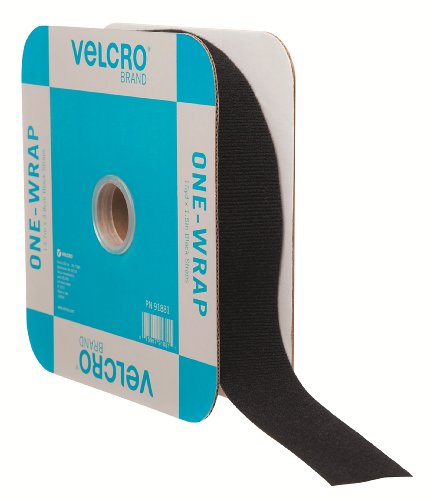
OneWrap is the ultimate "notion" for your gear, acting like a modular fastener that you can adjust on the fly. It is perfect for organizing your circular needle cables or securing a strap that needs to be repositioned frequently.
Unlike traditional Velcro, which can be bulky and harsh, this nylon wrap is thin and flexible. It won’t snag your yarn or pull at the stitches of your knitted projects, which is a common concern with rougher hook-and-loop fasteners.
It is less about load-bearing and more about organization and convenience. Keep a roll of this in your knitting kit to manage your cords and keep your workspace tidy.
Paracord Planet Tubular Nylon: Best Flexibility

Tubular webbing is woven like a sleeve, giving it a unique, rounded hand that is significantly more flexible than flat webbing. It feels much softer against the skin, making it ideal for straps that will be worn directly over the shoulder for long periods.
Because it is hollow, it has a slight "give" or cushioning effect that flat webbing lacks. This makes it much more comfortable when carrying a heavy load, as it distributes pressure more effectively.
It is a fantastic choice for crafters who prioritize comfort and ergonomics. The flexibility allows it to conform to the body, much like a well-blocked lace shawl conforms to the shoulders.
SEAAN Heavy Duty Nylon Straps: Best Value Pick

This is the reliable, budget-friendly option that serves its purpose without unnecessary bells and whistles. It is a solid, standard-weight nylon that works well for basic bag straps or simple tie-downs.
While it may not have the extreme abrasion resistance of tactical-grade webbing, it is more than sufficient for everyday use. It is easy to cut, heat-seal, and sew, making it very beginner-friendly for those new to working with webbing.
If you are just starting out and need a cost-effective way to finish your first few project bags, this is the perfect place to begin. It provides a clean, professional finish without breaking the bank.
How to Choose the Right Webbing for Your Project
Choosing webbing is about matching the material to the intended stress of the project. Consider the weight of your contents: a project bag filled with cotton yarn needs a different strap than one holding a single lace shawl.
- Load Weight: Heavier items require high-density, flat nylon.
- Comfort: Use tubular webbing for straps that will be worn for hours.
- Environment: Opt for coated materials if the bag will see rain or dirt.
- Finish: Ensure the webbing width matches your hardware (buckles, D-rings).
Always test your hardware with a small scrap of webbing before committing to the full length of your strap. Just as you knit a gauge swatch to ensure your sweater will fit, you must "gauge" your webbing to ensure it fits through your chosen buckles.
Nylon vs. Polypropylene: Which Fiber is Stronger?
In the world of synthetic fibers, nylon is generally the stronger, more elastic option. It has a higher resistance to abrasion and can handle more tension before reaching its breaking point, making it the clear winner for heavy-duty applications.
Polypropylene, on the other hand, is lighter and floats in water, but it is prone to UV degradation and stretching. Think of nylon as a high-quality wool/nylon sock blend, and polypropylene as a lighter, less durable acrylic.
If you want your straps to last for years of heavy use, stick with nylon. It is the fiber that will hold its own against the rigors of daily life, keeping your hard work secure.
Maintenance Tips for Long-Lasting Nylon Straps
Treat your nylon straps with the same care you give your hand-knits. If they get muddy or dusty, rinse them with cool water and a mild soap, then hang them to air dry away from direct sunlight.
- Heat-Sealing: Always melt the cut ends of your nylon webbing with a lighter to prevent fraying.
- Inspection: Check for signs of fraying or thinning near the attachment points periodically.
- Storage: Keep your gear in a cool, dry place to prevent fiber fatigue over time.
By taking these small steps, you ensure that the hardware of your project is just as durable as the knitting itself. A well-maintained strap is the mark of a thoughtful, experienced maker.
Selecting the right nylon webbing is a crucial step in ensuring your fiber arts projects are as durable as they are beautiful. By understanding the nuances of weave, coating, and fiber strength, you can choose materials that stand the test of time. Take your time to match the webbing to your specific needs, and your bags and accessories will serve you well for years to come. Happy crafting, and may your straps always be as sturdy as your stitches.