6 Best Wooden Point Protectors For Protecting Tips
Protect your needles with our top 6 wooden point protectors. Discover durable, stylish options that prevent damage and keep your knitting projects secure.
Protecting your needle tips is one of the simplest ways to extend the life of your favorite tools and prevent accidental dropped stitches. While silicone caps are common, wooden point protectors offer a sophisticated, snag-free alternative that preserves the integrity of delicate wood and bamboo needles. This guide explores the best wooden options on the market to help you keep your WIPs (works-in-progress) safe and secure. Whether you are working on a complex lace shawl or a simple stockinette scarf, choosing the right protector makes all the difference.
Cocoknits Wooden Point Protectors: Best Overall
These protectors are a staple in my knitting bag because they balance function with a minimalist, thoughtful design. They are crafted from biodegradable plant-based materials, making them a conscious choice for the eco-minded knitter.
What sets them apart is the internal construction that holds the needle securely without requiring a tight, damaging grip. They fit a wide range of needle sizes, which is vital if you frequently switch between projects using different yarn weights.
If you are prone to losing your tools, the distinct shape of these protectors makes them easy to spot in a project bag. They are the best overall choice because they bridge the gap between utility and sustainability perfectly.
Lykke Driftwood Needle Caps: Best for Aesthetics


If you already own a set of Lykke Driftwood needles, these matching caps are an essential accessory. They feature the same beautiful, gray-washed birch finish that makes the needles themselves so visually striking.
Beyond their looks, they are engineered specifically to complement the smooth surface of wood needles. They provide a snug fit that prevents stitches from migrating off the tips while you travel with your knitting.
While they are primarily designed for the Lykke line, they work well on most wooden needles of similar dimensions. They are the best for aesthetics, turning a functional storage step into a cohesive, beautiful part of your knitting ritual.
Brittany Birch Needle Points: Best for Durability

Brittany has been a trusted name in the fiber arts for decades, and their wooden point protectors reflect that legacy of quality. These are carved from sustainable birch, resulting in a dense, hard-wearing finish that resists splitting.
They are incredibly robust, making them ideal for knitters who toss their project bags into larger totes or travel frequently. Because they are made from solid wood, they don’t lose their shape over time like softer materials might.
For those working with larger needle sizes, these protectors provide a secure, reliable hold that won’t slip off. They are the best for durability, standing up to years of heavy use without showing wear.
Lantern Moon Ebony Protectors: Best for Luxury

There is a tactile pleasure in using ebony wood that is hard to replicate with other materials. These protectors are silky smooth to the touch, ensuring that even if they brush against your yarn, they won’t cause snagging or fraying.
The dark, rich grain of the ebony adds a touch of elegance to your knitting kit. They are a significant investment, but for the knitter who appreciates fine tools, they offer a sensory experience that plastic or silicone simply cannot match.
Because they are precision-crafted, they offer a very secure fit that is perfect for delicate projects like lace or silk blends. They are the best for luxury, providing a premium feel that elevates every stitch.
Knitter’s Pride Dreamz Caps: Best for Grip
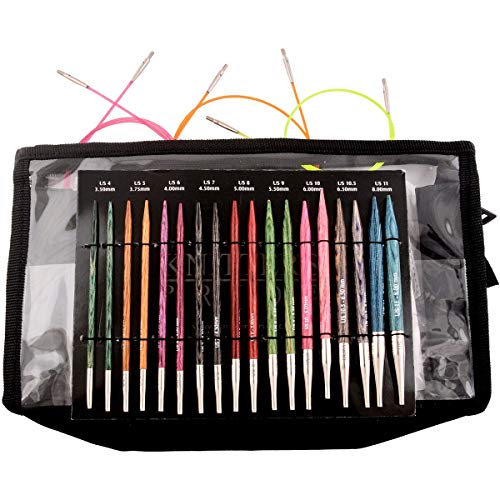
The Knitter’s Pride Dreamz line is known for its vibrant, color-coded wood, and these caps follow that same practical philosophy. Their standout feature is the slightly textured finish that provides extra grip, ensuring they stay put on your needles.
This makes them an excellent choice for slicker yarns like cotton or superwash wool, which have a tendency to slide off needle tips. The added friction keeps your stitches exactly where you left them, even when your project is bouncing around in a bag.
If you find that other protectors slide off too easily, the design of these caps will be a welcome change. They are the best for grip, offering peace of mind for your most slippery, precious projects.
Clover Takumi Wood Point Guards: Best Value

Clover is synonymous with consistency, and their wooden point guards are no exception. They are widely available and offer a reliable, no-nonsense solution for protecting your needle tips without breaking the bank.
They are lightweight and unobtrusive, which is ideal if you are knitting a heavy project and don’t want extra weight pulling on your needles. Their simple design ensures they fit a variety of standard needle shapes and tapers.
For beginners building their first tool kit, these are a fantastic entry point. They are the best value, delivering professional-grade protection at a price point that allows you to stock up for all your projects.
Why Wooden Protectors Outperform Silicone Caps
Silicone caps are ubiquitous, but they often have a major drawback: they can attract dust, lint, and pet hair. Over time, this debris can transfer onto your yarn, which is a nightmare when working with light-colored or delicate fibers.
Wooden protectors, by contrast, stay clean and are much easier to wipe down. They also tend to hold their shape better; silicone can stretch out after repeated use, leading to loose caps that fall off at the worst possible moment.
Furthermore, wooden protectors offer a more secure "seat" for the needle tip. They don’t create the same suction effect that can sometimes make removing a silicone cap feel like a struggle, which is a relief when you are eager to start your next row.
How to Select the Right Size for Needle Tips
Choosing the right size is about finding the "Goldilocks" fit—not too loose, not too tight. If the protector is too large, it will slide off; if it is too small, you risk forcing it and potentially damaging the finish of your needle.
- Check the needle diameter: Always measure your needle tip if you aren’t sure of the size, as older needles may have worn-down markings.
- Consider the taper: Some needles have a long, gradual taper, while others are blunt. A protector that works for a blunt tip might not reach far enough down a long, sharp taper.
- Test the fit: A good protector should slide on with a gentle push and stay in place when you give the needle a soft shake.
If you are between sizes, it is almost always better to choose the slightly smaller option to ensure it doesn’t slip off. Remember that wooden protectors don’t stretch like silicone, so precision is key.
Proper Care to Prevent Wooden Tip Warping
Wood is a natural material that reacts to changes in humidity and temperature. To keep your protectors in top shape, avoid leaving them in extreme environments, such as a hot car or a damp basement.
If they become slightly dusty, a quick wipe with a soft, dry cloth is usually sufficient. Avoid using harsh chemical cleaners, as these can strip the natural finish and leave the wood prone to absorbing moisture.
If you notice the wood looking dry over time, a tiny drop of wood conditioner or even a bit of beeswax can help restore the luster. Proper care ensures these tools will last as long as your needles themselves.
Common Mistakes When Storing Your Knitting
The most common mistake I see is leaving needles unprotected in a bag where they can rub against other hard objects. This causes nicks and scratches on the needle surface, which will eventually snag your yarn during the knitting process.
Another error is storing your needles with the protectors on while the project is still on the needles, but letting the weight of the project pull on the tips. Always try to store your project in a way that supports the weight of the fabric, rather than letting it hang from the needle tips.
- Avoid overcrowding: Don’t cram your project bag so full that the needles are under pressure.
- Keep them organized: Use a dedicated case or roll to keep your needles separated and protected.
- Remove when not in use: If you are storing your needles for a long period, take the protectors off to allow the wood to breathe.
Investing in quality wooden point protectors is a small step that pays dividends in the longevity of your knitting tools. By choosing the right fit and caring for your protectors properly, you ensure that your needles remain smooth and snag-free for years to come. Happy knitting, and may your stitches always stay safe on your needles.