6 Best Garment Storage Bags For Finished Shawls
Preserve your handmade shawls with these 6 top-rated storage bags. Discover breathable, archival-safe options to protect delicate fibers from dust and moths.
After spending hundreds of hours on a complex lace shawl, the last thing you want is for your masterpiece to emerge from storage covered in dust or, worse, moth holes. Proper storage is the final, often overlooked step of the knitting process that preserves your hard work for years to come. Choosing the right container ensures that your fibers remain in pristine condition without compromising their structural integrity. Here are my top recommendations for keeping your finished shawls safe, organized, and ready to wear.
Container Store Cotton Sweater Bags: Best Overall


These bags are the gold standard for a reason. They provide a perfect balance of structure and airflow, which is essential for natural fibers like wool, alpaca, and silk.
Because they are made from 100% cotton, they prevent the "suffocation" that occurs in plastic bins. When you store a delicate hand-knit, you need the fabric to breathe to prevent moisture buildup and potential mildew.
I recommend these for your most prized heirloom shawls. The zippered closure keeps dust and light out, while the fabric remains gentle enough to prevent snagging on delicate lace work.
Whitmor Breathable Garment Bags: Best Value Pick
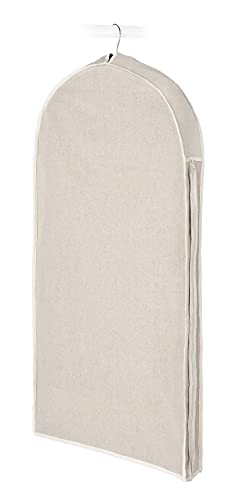
If you have a large collection of shawls and need to store them on a budget, these bags are a practical solution. They are lightweight, inexpensive, and get the job done without unnecessary bells and whistles.
The primary benefit here is the sheer volume of storage you get for the price. They are ideal for rotating your seasonal accessories, allowing you to hang your heavier wool shawls during the summer months.
However, keep in mind that the material is thinner than premium options. Be careful when zipping them closed, as the fabric can occasionally catch on the zipper teeth if you aren’t paying attention.
Household Essentials Cedar Bags: Best Protection
Cedar is a natural repellent for moths and silverfish, making these bags a favorite for those working with high-end, untreated wools. If you have spent a fortune on hand-dyed merino or luxury cashmere, this is your best insurance policy.
The cedar scent is pleasant but strong, so be aware that it will permeate your fibers. For most knitters, this is a welcome trade-off, as it keeps your knitwear smelling fresh and pest-free.
Always ensure the cedar panels don’t directly rub against the most delicate parts of your knitting. While safe, the wood can be slightly abrasive if the shawl is packed too tightly against it.
StorageWorks Linen Fabric Bags: Best for Display

These bags offer a sophisticated look that fits beautifully in a well-organized closet. The linen-blend fabric is sturdy and provides excellent protection against dust while looking far more aesthetic than standard plastic.
They are particularly useful if you store your shawls on open shelving. Because they are structured, they stack neatly and keep their shape, preventing your shawls from becoming a tangled mess.
The tradeoff is that they are less flexible than cotton bags. They aren’t the best choice for bulky, oversized shawls, but for standard-sized lace or fingering-weight pieces, they are perfect.
Ziploc Large Space Bag Totes: Best for Long Term

Sometimes you need to pack away a shawl for several years, perhaps to keep it safe during a move or long-term storage. In these specific cases, a vacuum-seal solution is acceptable, provided you follow one rule: never compress the fibers too hard.
The advantage here is total protection from environmental hazards like moisture, light, and pests. By removing the air, you also prevent oxidation, which can cause certain light-colored yarns to yellow over time.
Use these sparingly and only for items that have been thoroughly cleaned. If you store a shawl that has even a tiny bit of skin oil or perfume on it, the vacuum seal will lock those odors in, which can be difficult to remove later.
Richards Homewares Canvas Bags: Best Durability

Canvas is incredibly tough, making these bags the best choice for heavy-duty storage. If you travel frequently with your hand-knits, these bags will withstand the rigors of a suitcase far better than thinner alternatives.
The construction is robust, and the zippers are generally higher quality than those found on budget garment bags. This durability means you won’t be replacing them every few years.
While they are heavier, the added weight is a sign of quality. They are an excellent investment for knitters who want a "buy it for life" solution for their fiber art collection.
Why Breathable Fabrics Matter for Handknits
Natural fibers are organic materials that need to "breathe" to maintain their elasticity. When you trap wool or silk in non-porous plastic, you create a micro-environment where humidity can fluctuate, leading to mold or fiber degradation.
Breathable fabrics like cotton, linen, and canvas allow air to circulate, which keeps the moisture content of the yarn stable. This is crucial for maintaining the "bounce" and loft of your knitting.
Avoid the temptation to use airtight plastic bins as a "set it and forget it" solution. Your knits are living things; treat them with the same care you gave them while you were casting on and binding off.
Preventing Moth Damage in Stored Wool Shawls
Moths are the arch-nemesis of the knitter, and they are particularly attracted to clean, protein-rich fibers. The most effective way to prevent them is to ensure your shawls are clean before storage, as they are drawn to the scent of skin oils and food residue.
Beyond cleaning, consider using natural deterrents like cedar blocks or lavender sachets inside your storage bags. These won’t kill an existing infestation, but they make your storage space much less inviting to new visitors.

Check your stored shawls at least twice a year. Taking them out, giving them a gentle shake, and inspecting them for small holes or webbing can catch a problem before it destroys your entire collection.
Proper Folding Techniques to Avoid Crease Lines
Heavy, long-term folding can create permanent creases in delicate lace or cabled fabrics. If you must fold your shawls, try to roll them loosely instead of folding them into tight squares.
If you choose to fold, change the fold lines every few months. This prevents the fibers from "setting" into a permanent crease, which can be difficult to block out later.
For very large or heavy shawls, consider using acid-free tissue paper between the layers. This provides a soft buffer that prevents the yarn from pressing against itself and creating sharp, unsightly lines.
How to Safely Clean Shawls Before Storing Them
Never store a shawl that has been worn without giving it a wash first. Even if it looks clean, invisible traces of perfume, hair products, and body oils can attract pests and cause yellowing over time.
Use a gentle wool wash that doesn’t require rinsing, and always handle the wet fabric with extreme care. Never wring or twist the shawl; instead, roll it in a clean, dry towel to extract excess moisture.
Once the shawl is fully dry, fold it neatly and place it into your chosen storage bag. Taking the time to wash and properly dry your project before it goes into storage is the single most important step in ensuring it remains beautiful for years.
Investing in the right storage is just as important as choosing the right yarn for your project. By opting for breathable materials and practicing good maintenance habits, you ensure your hand-knitted shawls stay as vibrant as the day you bound off. Take the time to protect your craft, and it will remain a cherished part of your wardrobe for decades to come. Happy knitting, and may your shawls always stay safe and moth-free.