7 Best Wooden Beads For Tassel Accents To Try
Discover the 7 best wooden beads for tassel accents. This guide explores textures, sizes, and finishes to elevate your DIY projects with professional style.
Adding a wooden bead to a finished tassel is one of the simplest ways to elevate a hand-knit garment from "homemade" to "high-end boutique." These small, tactile accents provide weight, drape, and a sophisticated organic contrast to soft wool or acrylic fibers. However, choosing the wrong bead can lead to snagging, uneven tension, or premature wear on your precious handiwork. This guide will help you navigate the marketplace to find the perfect wooden hardware for your next project.
Bead Landing Natural Wood Beads: Best Overall
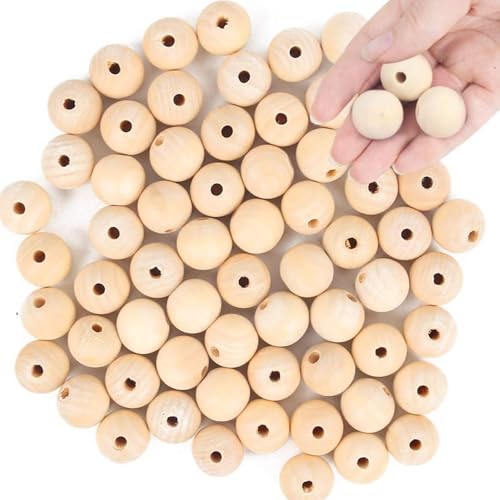

When you need a reliable, consistent bead that won’t distract from your intricate stitch patterns, Bead Landing is the industry standard. Their natural wood finish offers a neutral palette that complements almost any yarn weight, from rustic wools to sleek cotton blends.
These beads are remarkably uniform in shape, which is critical when you are adding tassels to a hemline or the corners of a shawl. If your beads vary wildly in size, your project will look cluttered and poorly finished, regardless of how perfect your gauge is.
The trade-off here is the lack of a protective sealant, which means they can absorb oils from your hands over time. However, for most knitters, this natural patina is actually a benefit that adds character to the piece.
Darice Unfinished Wooden Beads: Best Value

If you are producing tassels in bulk—perhaps for a series of market-prep cowls or holiday gifts—Darice offers the best price-to-quantity ratio. Buying in volume is a smart move when you need to experiment with different tassel lengths or color combinations without breaking the bank.
Because these are unfinished, they have a slightly grippy, matte surface that interacts well with natural fibers like sheep’s wool. The friction between the wood and the yarn helps the bead stay in place, reducing the need for excessive knotting or adhesives.
Be aware that these often require a quick pass with fine-grit sandpaper before use. You don’t want a stray splinter catching on a delicate mohair fiber and causing a snag that ruins hours of work.
Woodpeckers Craft Beads: Best for Durability

Woodpeckers beads are dense and hard, making them an excellent choice for items that will see heavy wear, such as throw blankets or decorative pillows. They resist denting and scratching, maintaining their integrity even when tossed around or handled frequently.
The precision drilling on these beads is superior to most budget options. A clean, smooth hole entry is vital because it prevents the yarn from fraying as you thread it through, ensuring your tassel remains structurally sound for years.
While they are slightly heavier than other options, this weight is actually an advantage for tassels. A heavier bead acts as an anchor, helping the tassel hang straight and preventing it from curling or twisting during storage.
Cousin DIY Round Beads: Best for Beginners

Cousin DIY beads are widely available and perfect for a knitter just starting to incorporate hardware into their designs. Their accessibility means you can pick them up at almost any local craft store, allowing you to match them to your yarn in person.
They are generally lightweight, which is a major plus if you are working with a delicate yarn like a lace-weight alpaca. You don’t want a heavy bead dragging down your fabric or distorting the drape of your knitting.
The primary drawback is that the hole sizes can be inconsistent between batches. Always double-check your yarn’s diameter against the bead opening before you start threading, especially if you are using a multi-ply yarn that tends to bloom.
Craftdady Large Hole Beads: Best for Chunky Yarn

If you enjoy knitting with super-bulky roving or triple-stranded yarns, standard beads simply won’t work. Craftdady specializes in larger apertures, which accommodate the thicker diameter of heavy-weight fibers without requiring you to strip the yarn or struggle with a needle.
Using a bead that is too small for your yarn can compress the fibers, causing them to lose their loft and elasticity. These large-hole beads allow the yarn to maintain its natural twist and volume, keeping your tassel looking full and professional.
Ensure you have a sturdy needle or a wire loop tool to pull the yarn through, as even large holes can be tricky with high-friction fibers like unspun wool.
Mandala Crafts Hardwood Beads: Best for Finish

Mandala Crafts beads often feature a polished, smooth surface that feels luxurious to the touch. This high-quality finish is ideal for garments that will be worn against the skin, such as scarves or cowls, where you want to avoid any rough edges.
The wood grain is usually very tight, which prevents the bead from looking "fuzzy" or cheap. When you put the time into knitting a complex cable or lace pattern, you want your hardware to reflect that same level of craftsmanship.
Because they are so smooth, they can slide more easily than unfinished wood. You may need to use a small dab of fabric-safe glue or a hidden knot inside the bead to keep it from migrating down the tassel strands.
Sntieecr Polished Beads: Best for Smooth Texture
Sntieecr beads are a fantastic middle ground for knitters who want a polished look without the premium price tag. Their smooth texture makes them very easy to thread, which is a relief when you are working on a project with multiple tassels.
The lack of burrs or jagged edges inside the hole is their standout feature. This is critical for delicate, high-twist yarns that are prone to snagging; a smooth interior ensures the yarn passes through without catching a single ply.
These beads are versatile enough to be painted or stained if you need a specific color to match a custom-dyed yarn. Just be sure to use a non-toxic, water-based finish that won’t react negatively with your fiber.
Essential Tips for Selecting Bead Hole Diameters
Selecting the right hole diameter is a matter of physics and fiber geometry. If the hole is too tight, you risk snapping your yarn or fraying the plies; if it is too loose, the bead will slide off the tassel.
A good rule of thumb is to measure your yarn’s WPI (wraps per inch) and compare it to the bead’s hole size. You want a hole that is roughly 1.5 times the diameter of your yarn to allow for easy threading without excess wiggle room.
Always account for the "bloom" of your yarn. A wool yarn that looks thin when dry might expand significantly after blocking, so choose a bead that can accommodate that slight increase in volume.
How to Secure Beads to Your Handmade Tassels
Securing a bead is about balancing aesthetics with security. For a clean look, I prefer to thread the tassel yarn through the bead and then tie a small, tight knot inside the bead’s channel, hiding the knot from view.
If the bead hole is too large to hide a knot, consider using a "bead stopper" or a small amount of clear, flexible fabric glue inside the hole. This keeps the bead locked at the top of the tassel where it belongs.
Remember that heavy beads will exert constant gravity on your yarn. If your tassel is made of a slippery fiber like silk or bamboo, you must ensure the bead is anchored securely, or it will slowly slide down the strands over time.
Maintaining Wooden Accents on Knitted Projects
Wooden beads are natural materials and require care similar to the yarn they adorn. Avoid soaking your knitted project in water for long periods, as the wood can swell or crack once it dries.
If you are washing a sweater with wooden beads, spot-clean the beads with a slightly damp cloth rather than submerging them. If the wood begins to look dry or dull, a tiny drop of food-grade mineral oil rubbed into the bead will restore its luster.
Always store your beaded knits flat or folded, rather than on a hanger, to prevent the weight of the beads from stretching the fabric. With proper care, these wooden accents will age beautifully alongside your hand-knit pieces.
Integrating wooden beads into your knitting is a rewarding way to add personality and professional flair to your work. By choosing the right material, hole size, and securing method, you ensure that your tassels remain both beautiful and functional. Take the time to test your beads with your chosen yarn before committing to a final assembly. Your finished project will be all the better for the thoughtful hardware you’ve selected.