
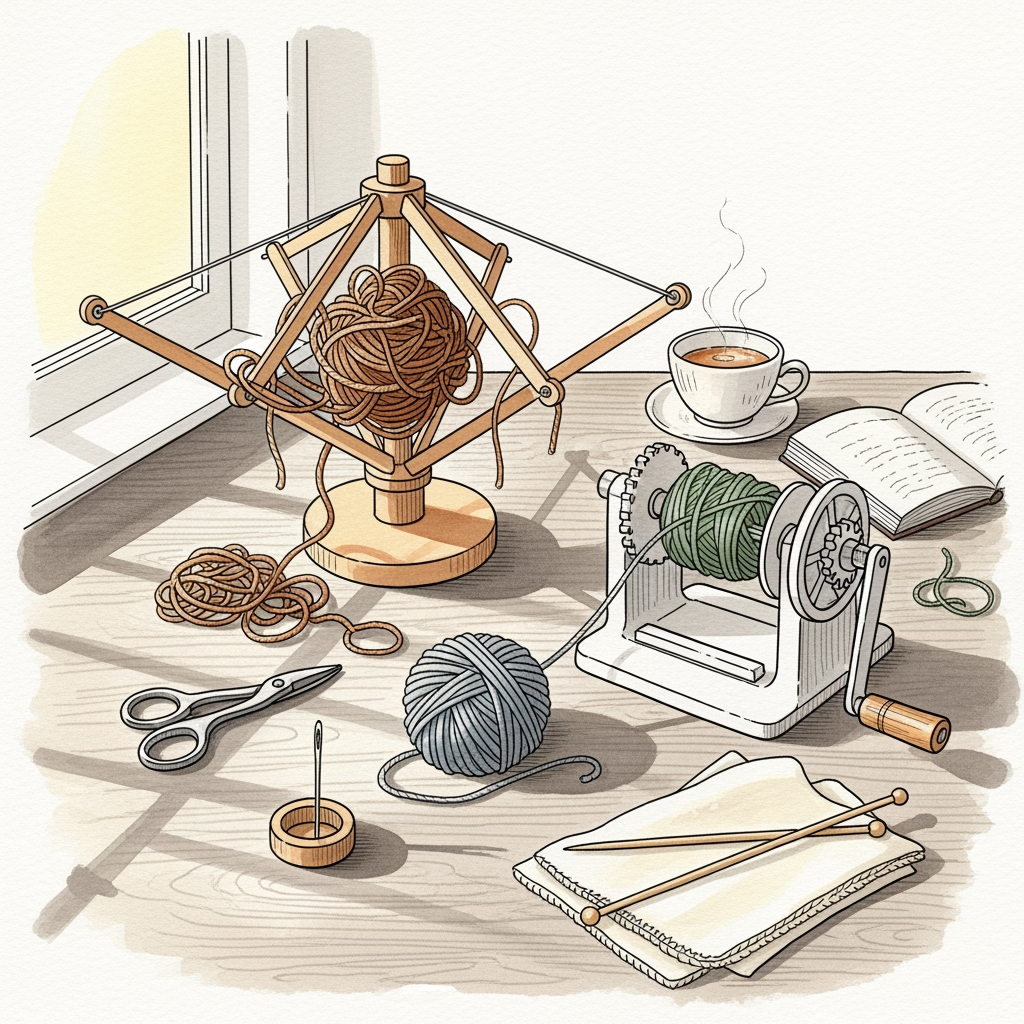
6 Best Swift Tension Knobs For Controlled Rotation
Discover the top 6 Swift tension knobs for precision rotation. This guide evaluates key features to help you achieve optimal control in your mechanical setups.
We have all been there: halfway through winding a precious skein of hand-dyed merino, the swift suddenly spins out of control, tangling your yarn into a hopeless bird’s nest. A reliable tension knob is the unsung hero of the fiber arts, acting as the stabilizer that keeps your winding process rhythmic and stress-free. Whether you are dealing with slippery silk blends or rustic, sticky wool, the right tension mechanism ensures your cake is wound perfectly every time. This guide explores the best replacement and upgrade knobs to help you regain control over your yarn management.
Stanwood Needlecraft Tabletop Swift Knob
The Stanwood tabletop swift is a staple in many studios, but its tension knob is the component that truly defines the user experience. This knob is designed to provide just enough resistance to prevent the swift from "freewheeling" when you stop pulling yarn.


It is particularly effective if you frequently work with slippery fibers like bamboo or silk, which tend to slide off a fast-spinning swift. The grip is intuitive, allowing for micro-adjustments that make a world of difference when transitioning from a heavy worsted weight to a delicate lace-weight yarn.
If you find your Stanwood swift is spinning too freely, this replacement knob is a straightforward fix. It balances durability with ease of use, ensuring you aren’t fighting the tool while trying to wind a clean center-pull cake.
Amish Style Wooden Swift Tension Control
Amish-style swifts are beloved for their portability and simplicity, but they lack the mechanical braking systems found on umbrella-style models. The tension control here is usually a wooden screw or a friction-based peg system that relies on the user’s tactile feel.

Because these are often handcrafted, the "tension" is essentially a measure of how tightly you tighten the wooden bolt against the rotating arms. It requires a bit of finesse; tighten it too much, and the swift won’t turn, but leave it too loose and the yarn will spill over the top.
This is an excellent option for knitters who prefer a low-tech, aesthetic workspace. It doesn’t rely on plastic components that might crack over time, though it does require periodic waxing to keep the rotation smooth and consistent.
KnitPicks Yarn Swift Replacement Knob

KnitPicks has built a reputation on accessibility, and their replacement knobs are designed to fit a wide range of standard umbrella swifts. These are typically made of high-impact plastic, offering a lightweight alternative to heavier metal or wooden hardware.

These knobs are ideal if you are a high-volume winder who goes through dozens of skeins a month. They are inexpensive and easy to replace, which is a significant advantage if you tend to be a bit heavy-handed when tightening your equipment.
While they may not have the premium feel of a custom-turned wooden knob, they get the job done reliably. If your current knob has stripped threads or has become loose over time, this is the most practical "drop-in" replacement to get you back to winding.
Lacis Wooden Swift Tensioning Screw
Lacis is a brand that understands the intersection of tradition and utility, and their tensioning screws reflect a commitment to longevity. Using a wooden screw for tensioning provides a different kind of friction than plastic or metal, often feeling smoother and more "organic" as you turn it.
This is a fantastic choice for the knitter who values their tools as much as their finished projects. Because wood-on-wood friction is less likely to result in sudden "stick-slip" movements, you get a more consistent flow of yarn.
Be aware that these require a bit of maintenance; a light touch of beeswax on the threads will prevent the wood from binding. It is a small trade-off for a tool that will likely outlast the plastic alternatives in your craft room.
Strauch Fiber Equipment Swift Knob
Strauch is widely considered the gold standard for fiber preparation tools, and their tension knobs are engineered with serious precision. If you are winding large, heavy skeins of bulky yarn, you need a knob that can handle the increased torque and weight.
These knobs are designed to hold their position firmly, even when the swift is loaded to capacity. They provide a high level of tactile feedback, letting you "dial in" the exact amount of resistance needed for different yarn plies.
While they are a premium investment, they are worth it if you are a professional or a dedicated enthusiast who processes large quantities of fiber. They eliminate the frustration of having to constantly adjust your tension mid-wind.
Ashford Yarn Swift Tension Upgrade

Ashford is synonymous with quality spinning and weaving equipment, and their tension upgrades are designed to integrate seamlessly with their robust swifts. These upgrades often focus on replacing basic friction points with more sophisticated hardware that allows for finer control.
This is the perfect upgrade for the knitter who has outgrown their entry-level swift but isn’t ready to buy a brand-new unit. It transforms a standard swift into a much more stable tool, reducing the risk of yarn tangles during high-speed winding.
The engineering here is top-tier, focusing on ergonomics and ease of adjustment. You will find that even with a full, heavy skein, the rotation remains fluid and controlled, which is vital for maintaining consistent tension in your final yarn cakes.
Why Tension Control Matters for Your Yarn
Tension control is not just about keeping the swift from spinning; it is about the health of your yarn. If your swift spins too freely, the yarn can stretch or snap, especially if you are working with delicate, low-twist singles.
Conversely, if there is too much tension, you are effectively "pre-stretching" your yarn before it even hits your needles. This can lead to gauge discrepancies, where your finished project comes out larger or smaller than your swatch predicted.
A good tension knob allows you to find the "sweet spot" where the yarn flows off the swift with just enough resistance to keep it from tangling. This ensures that the yarn remains in its natural state, preserving the integrity of the fiber for your project.
How to Install a Replacement Swift Knob
Installing a new knob is generally a simple process, but it requires patience to ensure you don’t cross-thread the new component. Start by completely unscrewing the old knob and cleaning the threaded rod with a soft, dry cloth to remove any accumulated dust or old lubricant.
Carefully align the new knob with the threads, turning it counter-clockwise first until you feel a "click" to ensure the threads are seated properly. Then, screw it in clockwise until you reach the desired level of resistance.
If the knob feels stiff, do not force it. Back it out and re-align; forcing a knob can strip the threads on the swift’s center post, which is a much harder repair to make than replacing a simple knob.
Troubleshooting Common Swift Rotation Issues
If your swift is still rotating poorly after replacing the knob, the issue might not be the knob itself. Check the central pivot point for hair, dust, or yarn fibers that may have wrapped around the spindle.
A common misconception is that the knob is always the culprit when a swift is jerky. Often, a lack of lubrication on the central bearing or uneven tension on the swift’s arms is the actual cause of the trouble.
If the arms themselves are sagging, no amount of tension adjustment will fix the rotation. Ensure your swift is perfectly level on your tabletop, as even a slight tilt can cause the weight of the yarn to pull the swift toward one side.
Maintenance Tips for Smooth Yarn Winding
Regular maintenance is the secret to a long-lasting swift. Once a month, wipe down all moving parts with a microfiber cloth and apply a tiny amount of high-quality wax or a dedicated lubricant to the threads of your tension knob.
Avoid using heavy oils, as these can attract dust and eventually gum up the mechanism. If you live in a humid climate, keep an eye on wooden components, as they may expand and require a slightly looser setting on your tension knob.
Finally, always store your swift in a dry, cool place. Collapsing it properly when not in use prevents the arms from warping, which is the most common reason for uneven rotation over time.
Investing in a high-quality tension knob is a small change that yields massive improvements in your daily knitting workflow. By choosing a knob that matches your specific swift and your winding habits, you eliminate the stress of tangled yarn and uneven cakes. Remember that the best tool is one that feels intuitive in your hands, allowing you to focus on the joy of creating rather than the frustration of managing your equipment. Happy winding, and may your yarn always flow smoothly from swift to needles.
