6 Plastic Templates For Technical Symbols To Keep
Organize your workspace with these 6 essential plastic templates for technical symbols. Read our guide to learn which drafting tools you should keep today.
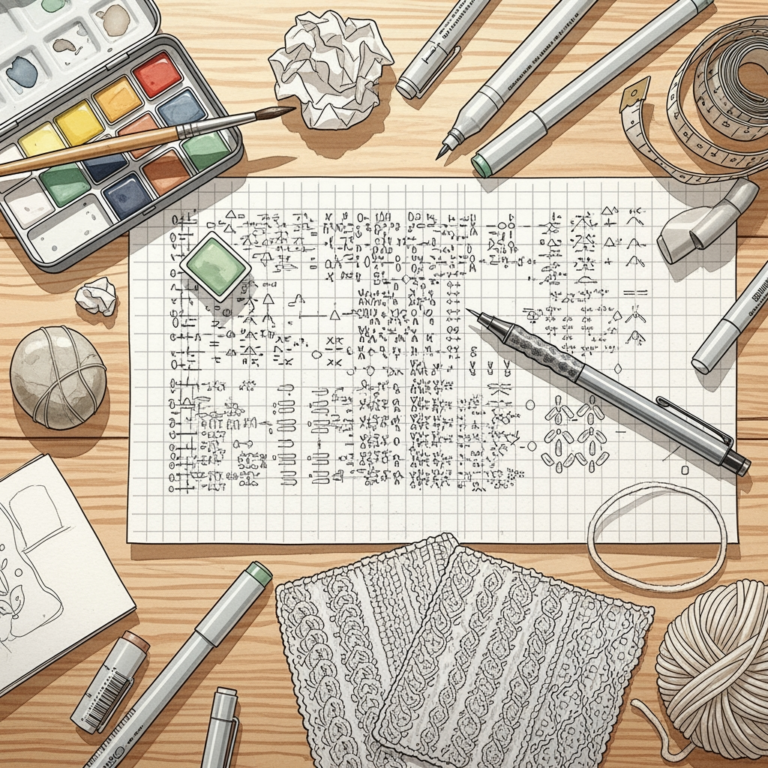
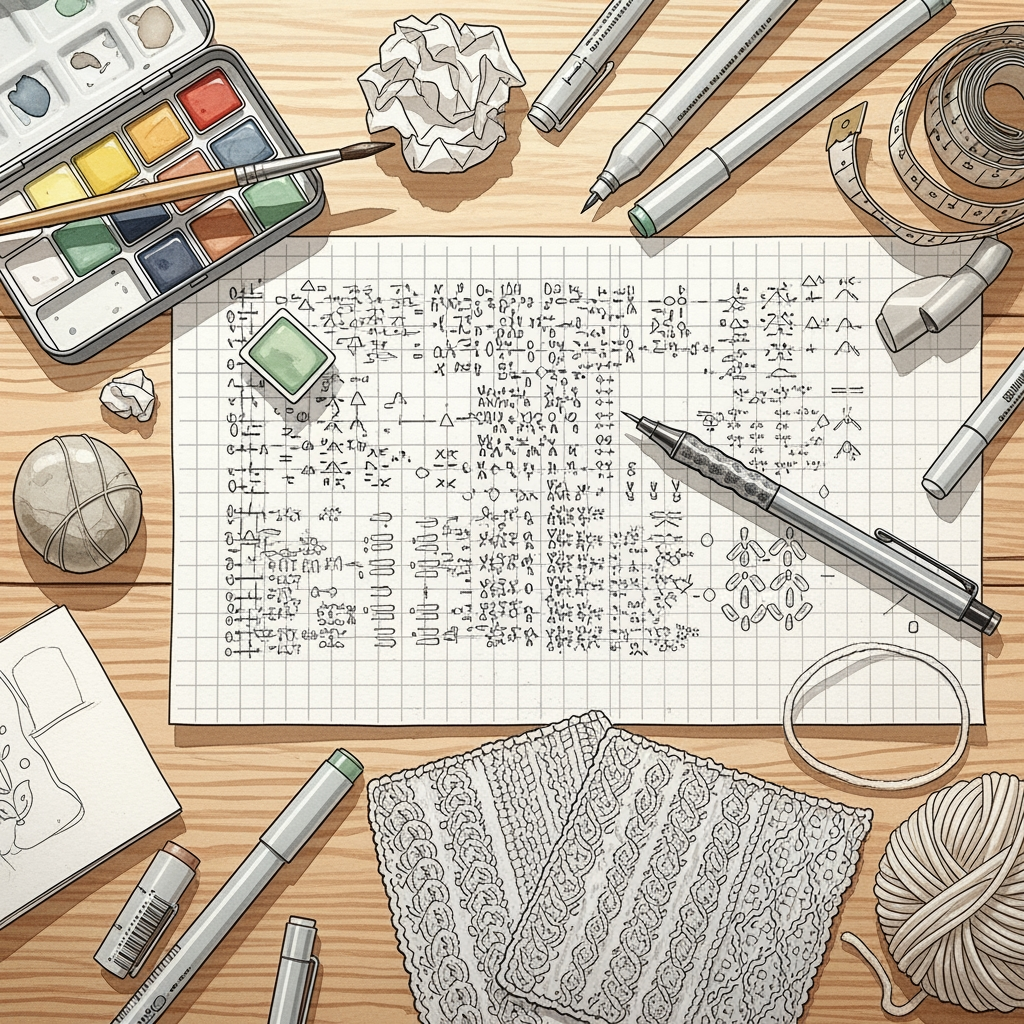
Drafting a complex lace shawl or a custom colorwork yoke often begins with a messy sketch on the back of a grocery receipt. While digital charting software offers precision, the tactile nature of mapping out increases, decreases, and yarn overs by hand often leads to a deeper understanding of stitch architecture. Using plastic templates to standardize these symbols transforms disorganized notes into professional-grade charts. Investing in a reliable set of stencils ensures that every stitch is readable, repeatable, and ready for the needles.
Knit Purl Hunter’s Template: Designer’s Choice


The Knit Purl Hunter template serves as a professional standard for designers who prioritize clean, unmistakable visuals. It includes the essential icons needed for standard knitting notation, such as cables, yarn overs, and various decrease configurations.
Because the layout is optimized for standard graph paper, it eliminates the guesswork involved in scaling symbols to fit a grid. This consistency is vital when drafting complicated stitch repeats that span multiple rows and columns.
While it lacks the sheer volume of niche symbols, it excels in legibility. The plastic is durable enough to withstand years of being tossed into a project bag without cracking or losing its edge definition.
Soak Charting Template: For Knit & Crochet
The Soak charting template is designed with a hybrid approach, catering to both knitters and crocheters. It features a wider variety of symbols, including common crochet stitches like post stitches and shells, alongside standard knitting markers.
This template is an excellent choice for fiber artists who move between disciplines. If a project involves a knitted garment with a crocheted edge, having a singular tool that handles both sets of notations saves significant time and desk space.
The primary tradeoff is size, as the increased variety of symbols requires a larger footprint. It is less portable than dedicated single-craft templates, but it offers unparalleled versatility for the multi-disciplinary crafter.
Lori’s Chart Keeper Template: For Magnetic Boards
Lori’s Chart Keeper template is engineered specifically for use with magnetic charting boards. The dimensions and weight are balanced to remain stable on a board surface, preventing the dreaded slip-and-slide while plotting a pattern.
When working on a large-scale project, such as a full-sized sweater chart, stability is everything. The ability to keep the stencil in one hand while shifting magnetic strips on the board with the other keeps the workflow fluid.
Because these templates are often thicker than standard stencils, they resist warping. They are the ideal companion for the knitter who frequently pauses, restarts, and marks progress on a magnetic workspace.
Katrinkles Symbol Stencil: Best Indie Option
Katrinkles has established a reputation for functional design that leans into the aesthetic preferences of the modern maker. These stencils are often crafted with a focus on specific stitch families, such as intricate lace or complex cable motifs.
The material quality often feels more substantial than mass-produced office supply alternatives. For those who enjoy supporting independent makers, this provides a high-quality tool that feels like a deliberate investment rather than a disposable commodity.
The niche nature of these stencils means they may not cover every standard knitting symbol required for a master pattern. They are best viewed as specialized additions to a broader set of drafting tools.
Staedtler Circle Template: For Perfect Repeats
While not designed explicitly for knitting, the Staedtler circle template is a secret weapon for charting circular yokes, hats, and doilies. Precise, consistent circles are difficult to draw freehand, and this tool solves that problem instantly.
When drafting a circular yoke, mapping the distribution of increases around a circumference requires clean geometry. This stencil allows for perfect placement of eyelets or bobble placements in a round-yoke design.
It is a specialized tool that excels at one specific function. Pair this with a dedicated knitting symbol stencil to handle both the overall shape of the project and the individual stitch notation.
Kokuyo Design Stencil: For Pattern Journaling
The Kokuyo series emphasizes slim, minimalist design that fits perfectly inside a standard pocket-sized notebook. It is intended for the knitter who journals their progress, modifications, and stitch motifs on the go.
The symbols are intentionally small, which is perfect for high-density, grid-based pattern journals. It allows for more information to be captured on a single page without the drawing becoming cluttered or unreadable.
If eyesight or fine motor control is a concern, the diminutive size of these symbols might present a challenge. However, for those who prefer a portable, stream-lined record of their knitting journey, the design efficiency is unmatched.
Why Use a Physical Template in a Digital Age?
Digital software is undoubtedly powerful, but it can create a disconnect between the designer and the stitch. Drawing by hand forces an analysis of how one stitch interacts with its neighbor, which often leads to better-designed garments.
Physical templates provide a tactile, screen-free way to prototype ideas during commutes or in environments where a laptop is impractical. They also produce charts that feel personal, reflecting the unique style and habits of the knitter.
A stencil never requires a software update, a subscription, or a battery. Once the muscle memory is established, drafting by hand becomes a meditative part of the creative process that digital tools struggle to replicate.
Choosing the Best Pen for Your Charting Stencil
The effectiveness of a stencil is entirely dependent on the nib of the pen being used. A tip that is too broad will blur the fine details of a cable or a decrease symbol, rendering the chart useless.
- 0.3mm or 0.5mm Fineliner: These offer the best precision for standard-sized grid paper.
- Pigment-based Ink: Essential for longevity; ensure the ink is waterproof to avoid smearing when erasing stray pencil marks.
- Mechanical Pencil: Ideal for initial drafting, as it allows for easy adjustments when correcting stitch counts.
Avoid heavy ballpoint pens, which can catch on the edges of the plastic template and cause unsightly ink blobs. A consistent, light touch with a fine-tipped marker will produce the cleanest results for any charting project.
How to Draft a Custom Chart with a Template
Begin by selecting a grid paper that matches the desired gauge of the project. If working on a 4mm needle, choose a grid that allows for a comfortable representation of the stitch-to-row ratio.
- Map the repeats: Use a pencil to block out the total number of stitches and rows in a single repeat.
- Place structural symbols: Start with increases, decreases, and cables, as these dictate the shape of the fabric.
- Fill in background stitches: Use the stencil to mark knits and purls last to ensure the structural elements remain the focal points.
Always test the pattern by working a small swatch after the chart is drafted. Often, a symbol that looks clear on paper requires an extra row or a different type of decrease to sit correctly in the actual fabric.
Beyond Charts: Other Uses For Your Templates
Templates are surprisingly effective for more than just flat knitting charts. Use them to mark stitch placement on a finished garment before embroidery or to plan decorative surface treatments.
They are also excellent for labeling project bags or creating custom tags for finished knits. A bit of fabric paint and a sturdy plastic template can turn plain cotton bags into organized, labeled storage systems for specific projects.
For those who enjoy designing their own knitting patterns for publication, these templates are essential for maintaining a uniform look across all pages. Consistency in symbol representation is the hallmark of a professional-grade pattern.
Mastering the use of plastic templates elevates a knitting hobby into a design practice. By choosing the right tool for the specific project needs—whether it be mapping out a complex cable or tracking circular yoke increases—a knitter gains total control over their stitch patterns. Clear, consistent charts do more than just save time; they ensure that intricate designs are executed with precision and confidence. Keeping a small set of these templates handy turns every project into a well-documented success.