6 Best Craft Organizers For Applique Supplies
Tired of messy supplies? Discover the 6 best craft organizers for applique supplies to keep your threads and fabrics perfectly sorted. Shop our top picks today!
Applique work demands a specific kind of organization, much like managing a complex intarsia sweater with a dozen active bobbins. When delicate fabric motifs, heat-activated adhesives, and precision tools are left to scatter, the risk of fraying or losing a critical piece is high. A well-structured storage system ensures that materials stay pristine and project momentum remains steady. These six organizers provide the specialized containment required to keep applique supplies orderly and ready for the next stitch.
ArtBin Super Satchel: Best for Bulk Supplies


The ArtBin Super Satchel provides a robust solution for large fabric stashes and stabilizer rolls. Its deep, rigid construction handles substantial amounts of material without crushing, making it ideal for storing large cuts of cotton or wool felt before they are cut into smaller motifs.
The internal dividers offer flexibility to customize the space, which is critical when transitioning between different project sizes. Just as one might separate varying weights of yarn to prevent tangling, these compartments prevent cross-contamination of delicate fabrics and interfacing.
The main trade-off with this container is its size and weight once fully packed. It is best suited for a permanent station in the craft room rather than frequent travel to workshops or retreats.
Yazzii Mini Organizer: Best for Taking to Class

For the maker who needs to maintain a mobile workspace, the Yazzii Mini Organizer excels in portability and visibility. Its tiered, clear-pocket design allows for the quick identification of needles, fine scissors, and small adhesive sheets at a glance.
Small, specialized tools often vanish into the bottom of a generic bag, but this organizer keeps them accessible. Think of it as a dedicated notions case for the applique enthusiast; it prevents the frustration of hunting for a specific thread color or applique pin while the iron is already hot.
The fabric construction is durable, though it lacks the rigid protection of hard-sided cases. It is the perfect choice for keeping a curated set of daily essentials organized during travel.
Creative Options Thread Organizer: For Your Colors
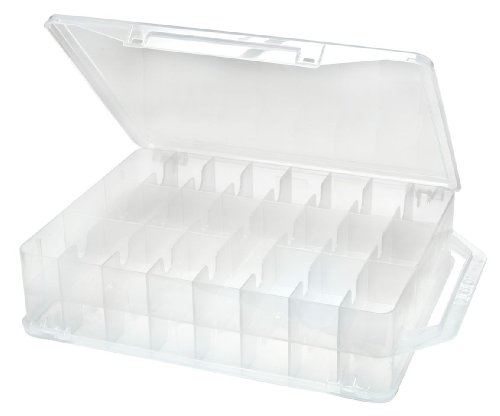
Thread management is paramount in applique, where the choice of weight and color can define the overall aesthetic. The Creative Options Thread Organizer features individual pegs that keep spools upright, preventing the messy knots that often occur when thread is tossed loosely into a bin.
Storing thread vertically helps maintain the integrity of the fiber and prevents unnecessary tension issues. Just as one keeps delicate lace-weight wool stored away from direct sunlight to prevent degradation, keeping thread organized protects it from dust and environmental stressors.
While this unit is excellent for standard spools, it may struggle with unusually large or oddly shaped cones. Consider if the current thread collection relies on a single brand or a mix of sizes before selecting this storage style.
IRIS USA Project Case: Best for Keeping Flat
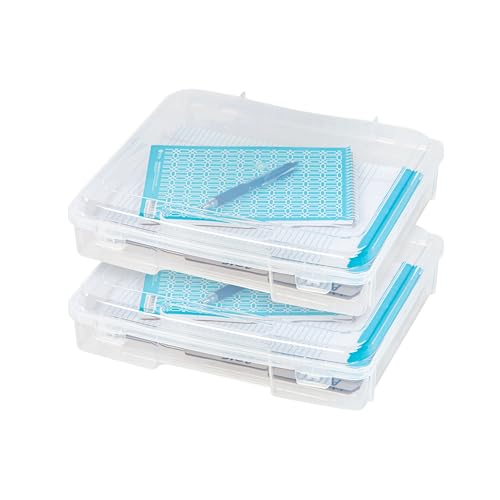
Applique components, especially fusible web and delicate die-cut shapes, must remain perfectly flat to function correctly. The IRIS USA Project Case provides a slim, rigid profile that protects paper-backed adhesives from wrinkling or bending.
A crease in a fusible sheet can ruin an entire applique shape, much like a kinked needle can ruin a delicate silk project. By using these cases, projects stay crisp and ready for application, avoiding the need for remedial pressing.
These cases are stackable, which is a major advantage for limited storage spaces. They allow for the categorization of projects by theme or technique, ensuring that nothing goes missing between sessions.
Akro-Mils Drawer Cabinet: For Tiny Embellishments

Tiny beads, sequins, and specialized applique needles require a container that prevents them from mixing. The Akro-Mils drawer cabinet offers a high-density solution for these small items, keeping them separated and secure.
Having clear drawers allows for quick visual inventory, similar to how a weaver organizes colors in a loom setup. It eliminates the need to dump out a container just to find one small item, preserving the focus needed for intricate work.
Ensure the cabinet is placed on a level, stable surface to prevent the drawers from sliding or the unit from tipping. It is the gold standard for long-term inventory management of small notions.
Everything Mary Desktop Caddy: For Active Work
When a project is actively in progress, the Everything Mary Desktop Caddy acts as a central hub for frequently used tools. It keeps glue pens, embroidery scissors, and pressing tools within arm’s reach during an assembly session.
Efficiency increases when every tool has a “home” on the desk. Just as keeping a cable needle and stitch counter nearby prevents an interrupted rhythm during a knitting session, having this caddy keeps the applique process fluid.
Because it is open-concept, it is best for tools that are used daily. Avoid storing sensitive materials like adhesives or delicate fabric in this caddy for long periods, as they remain exposed to dust and air.
What to Consider in an Applique Organizer
Selecting the right organizer starts with an assessment of the current project volume. If the focus is on small, detailed motifs, prioritize high-visibility, small-compartment storage. For those working with large fabric cuts, larger bins or flat-file systems are necessary.
Durability is another non-negotiable factor. Look for quality hinges and secure latches, as a failure during transport can result in a disorganized mess of small parts.
Finally, consider the space constraints of the crafting area. Vertical storage solutions like drawers or stackable cases often maximize footprint better than spread-out organizers.
Organizing by Project vs. Organizing by Supply
Organizing by project involves keeping all materials, patterns, and notions for a single piece in one dedicated container. This approach is superior for those who rotate between multiple projects, as it prevents the accidental misplacement of project-specific supplies.
Alternatively, organizing by supply involves grouping all threads, all fabrics, or all adhesives together. This is more efficient for those with a deep stash of materials who prefer to pull what they need for each new endeavor.
The most effective system often uses both: supplies are stored by type, while active projects are moved into a “project-based” bin. This hybrid model keeps the craft room clean while maintaining project-specific momentum.
Tips for Storing Fusible Web and Interfacing
Fusible web and interfacing are sensitive to heat and moisture. Always store them in a cool, dry place away from direct sunlight, which can cause the adhesive to yellow or lose its activation properties over time.
Keeping these materials flat is crucial. Rolling them can lead to stubborn curling that interferes with accurate cutting and ironing.
Label the edges of any scrap pieces with a permanent marker. Knowing the type and weight of the interfacing at a glance saves time and prevents the frustration of selecting the wrong stabilizer for the fabric.
Assembling the Perfect Applique Travel Toolkit
A successful travel kit focuses on essentials: a small, sharp pair of scissors, a heat-resistant mat, a glue pen, a selection of needles, and a few thread colors. Avoid the temptation to bring the entire stash.
Use a hard-sided, shallow case to prevent needles from poking through the fabric lining during transit. Double-check that all glue caps are tightened firmly to prevent leaks within the bag.
The best travel kit is one that empowers the maker to finish specific steps without requiring a full desktop setup. Keeping it compact ensures it remains a welcome companion on any trip.
The right organization system transforms the applique process from a search-and-find mission into a streamlined, creative flow. By choosing the tools that best fit the specific needs of a workspace and project style, the focus remains where it belongs: on the intricate beauty of the final piece.