6 Best Lingerie Wash Bags For Machine Protection
Keep your delicates looking brand new with our top 6 picks for lingerie wash bags. Choose the best protection for your machine-washed items and shop the list here.
After spending dozens of hours knitting an intricate lace shawl or a pair of heirloom-quality wool socks, the thought of throwing them into a machine can induce genuine anxiety. A high-quality wash bag acts as a vital barrier between delicate fibers and the harsh, abrasive environment of a washing machine drum. When utilized correctly, these bags prevent snagging, pilling, and the dreaded stretching that ruins carefully blocked projects. Choosing the right protection is the final, essential step in the long lifecycle of a hand-knitted garment.
Bagail Mesh Laundry Bags: Best Overall Set
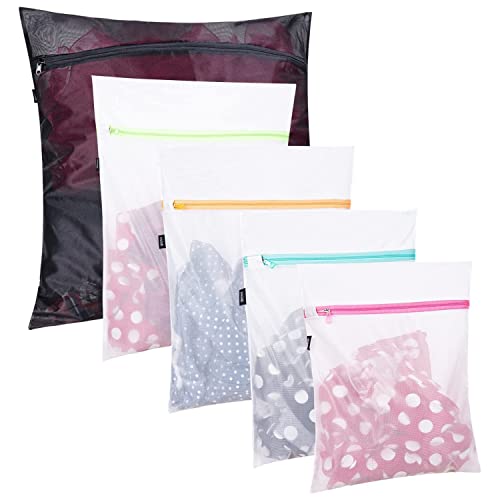

Versatility is the primary advantage of this set, offering a variety of sizes that accommodate everything from bulky wool sweaters to small baby booties. The assortment ensures that a delicate project never has to be crammed into a container that is too small, which is critical for maintaining proper shape.
When a garment is stuffed too tightly into a wash bag, it cannot move freely, leading to uneven cleaning and potential friction against itself. These bags provide enough room for soapy water to circulate through the fibers, ensuring a thorough wash without compromising structural integrity.
The bottom line: This set is the most practical investment for a varied knitting stash because it covers projects ranging from tiny swatches to full-sized afghans.
Oxdigi Honeycomb Mesh Bags: Best for Durability
Durability matters when handling heavy items like superwash wool sweaters or thick cotton kitchen towels. The honeycomb mesh design is specifically engineered to resist the mechanical stress of a heavy-duty agitation cycle.
Unlike standard thin mesh, the thicker honeycomb structure prevents hardware—like bra hooks or denim rivets in the same load—from catching on delicate yarn plies. This structural toughness offers peace of mind for those who do not have the luxury of washing exclusively by hand.
The bottom line: Choose these if your laundry routine involves heavy loads where snagging and external friction are constant threats to your hand-knits.
Tenrai Fine Mesh Lingerie Bags: Best for Lace

Fine lace requires the highest level of protection due to the fragile nature of yarn overs and intricate dropped-stitch patterns. The ultra-fine weave of these bags acts as a secondary skin, preventing the machine’s agitator from grabbing delicate loops.
These bags are particularly effective at keeping loose ends or long yarn tails from tangling. If a project features delicate mohair or silk blends, the finer the mesh, the less likely the fibers are to migrate through the holes and pill during the wash cycle.
The bottom line: Use these for your most delicate lace shawls and high-twist wool projects where surface texture and fiber preservation are the top priority.
Kimmama Cylinder Wash Bags: For Structured Items
Cylinder bags maintain their shape throughout the wash, which is a significant advantage for structured knits like cabled sweaters. By keeping the garment in a consistent form, the bag helps the item retain its original silhouette without collapsing under the weight of wet fabric.
The rigid structure also prevents the yarn from twisting aggressively against itself. This is particularly helpful for garments knitted with smooth, slick fibers like bamboo or silk, which are prone to distorting if handled roughly in the wash.
The bottom line: Opt for cylinder bags when washing garments with complex stitch patterns or cables that need to maintain their architectural integrity.
Simple Houseware 5-Pack Bags: Best Budget Pick

Entry-level tools often suffice when a knitter is just starting to build their collection of care supplies. This pack provides adequate protection for basic projects like hats, cowls, or mittens without requiring a significant financial investment.
While the mesh may not be as heavy-duty as premium options, it effectively separates items and prevents them from catching on other clothing. For a knitter working primarily with robust, machine-washable superwash wool, this level of protection is often perfectly sufficient.
The bottom line: This is the best value for beginners who need a reliable, no-frills solution to protect their early projects during machine cycles.
The Laundress Mesh Washing Bag: Premium Choice

Premium wash bags often feature superior zipper housing and reinforced seams, which are the first points of failure in cheaper models. The Laundress bag stands out for its high-quality materials, which ensure that the bag itself does not degrade after repeated cycles.
For knitters who invest in expensive, hand-dyed yarns or rare fibers like cashmere, the cost of a premium bag is an insurance policy. A high-end bag ensures that the closure mechanism does not snap or rust, which would otherwise threaten to damage the very items it is meant to protect.
The bottom line: Invest in this option if you frequently wash high-end fibers that demand the highest possible standard of care and hardware longevity.
Choosing the Right Wash Bag for Your Hand-Knits
Selecting a bag is not just about size; it is about matching the mesh density to the yarn’s characteristics. A bulky, rustic wool—like a heavy Highland or Shetland tweed—can handle a wider-mesh bag, whereas a loose, lace-weight alpaca requires a fine-mesh barrier.
Consider the weight of the item when wet. A large sweater can easily double or triple in weight when soaked, so ensure the bag’s seams are reinforced enough to handle that stress. Always leave enough space in the bag for the water to flow, as a tightly packed project will not clean evenly.
The bottom line: Prioritize bag construction based on fiber delicacy. The more fragile the fiber, the finer and more structured the bag should be.
Mesh Size and Zippers: What Really Matters
The zipper is the most overlooked component of a wash bag, yet it is the most common cause of damage. Always look for a bag with a protective zipper garage—a small fabric flap that covers the metal pull—to ensure it does not snag your yarn during the spin cycle.
Mesh size is the trade-off between airflow and protection. Larger holes allow for better suds penetration and cleaning, but they leave your yarn vulnerable to snagging. Smaller holes offer maximum protection but may require an extra rinse cycle to ensure all soap is fully flushed out.
The bottom line: Never compromise on the zipper cover. A snag from a zipper pull is often irreparable on delicate hand-knitted stitches.
Tips for Machine Washing Your Delicate Hand-Knits
Always use a gentle cycle with cold water, regardless of the yarn’s labeled care instructions. Machine agitation is the enemy of hand-knits, so keeping the rotation slow and the temperature low is the best way to prevent the fibers from felting.
Use a dedicated wool wash, like Eucalan or Soak, which is formulated to clean gently without the need for aggressive rinsing. Ensure the bag is zipped completely shut and the pull is tucked into its protective flap before starting the machine.

The bottom line: Always treat your knits as the most fragile items in the machine. Proper bag usage is only half the battle; the machine settings must also be adjusted for the task.
Beyond Washing: Other Smart Uses for Mesh Bags
Mesh bags are incredibly useful for storing blocking equipment or keeping small knitting tools organized. They make excellent temporary storage for needles, stitch markers, and measuring tapes when traveling, as the mesh allows the contents to breathe and remain visible.
Additionally, use these bags to keep yarn cakes from unraveling if you have a habit of keeping projects in your project bag without a yarn bowl. A small mesh bag can act as a simple yarn feeder, keeping your center-pull cakes clean and secure while you work.
The bottom line: Treat these bags as multi-purpose tool storage. Their utility far exceeds the laundry room, making them a staple in any knitter’s kit.
Properly caring for your finished projects is as much a part of the craft as the knitting itself. By integrating high-quality wash bags into your laundry routine, you ensure that the time and effort invested in your stitches continue to pay off for years to come.