6 Best Charm Sets For Personalized Fashion Jewelry
Elevate your style with our top 6 charm sets for personalized fashion jewelry. Find the perfect pieces to customize your look today and shop the full collection.
Adding a custom charm to a hand-knit project serves as a sophisticated signature, much like a hand-stitched label or a perfectly placed button. Whether adorning a finished shawl or attaching a progress keeper to a sock in the round, charms introduce a layer of professional polish to handmade goods. Selecting the right set requires balancing aesthetic appeal with the weight and durability needed for fiber-based crafts. These recommendations prioritize versatility, longevity, and ease of use for the discerning maker.
Bead Landing Artisan Charm Set: Best Overall


The Bead Landing collection hits the sweet spot for crafters who desire variety without sacrificing structural integrity. These sets offer a balanced mix of shapes, sizes, and finishes that complement both delicate lace weight yarns and hearty wools.
Because these charms feature a consistent metal weight, they do not pull or distort the stitch patterns of a knitted fabric. They are ideal for adding a decorative weight to the corner of a cowl or serving as a marker for the beginning of a lace repeat.
The primary benefit here is the curated selection that avoids the “random junk” feel of cheaper mixed bags. Opt for this set if the goal is a professional, cohesive look that works across multiple projects regardless of the fiber content.
Charmory Starter Kit: Best for Beginners
When building a collection for the first time, a starter kit eliminates the guesswork of matching jump rings to charms. These kits usually provide a comprehensive range of basic shapes, ensuring a match for almost any color palette of yarn.
For those just beginning to incorporate hard-goods into their knitting, the Charmory kit provides a gentle introduction to basic jewelry hardware. Having a consistent suite of tools and charms allows for practice with attachments before investing in high-end materials.
Focus on kits that include a variety of jump ring sizes, as these are the most common failure point for new makers. A properly closed ring is the difference between a charm staying on a garment through the washing machine and disappearing into a fiber pile.
Unicraft Alphabet Charms: For Personalization
Alphabet charms turn a functional project into a personalized keepsake or a thoughtful gift. When choosing these, ensure the lettering is deeply embossed or laser-etched so the character remains legible after the inevitable wear and friction of daily use.
These are particularly effective for labeling the sizing of garments or adding a monogram to baby blankets. They provide a clear, readable identifier that acts as both a design element and a practical guide for the wearer.
Beware of overly thin alphabet charms, which can snag on delicate mohair or loose alpaca fibers. Always choose a substantial metal thickness to prevent the charm from getting caught in the loft of the yarn.
Evergreen & Elm Nature Set: Best Themed Charms
Nature-themed charms often utilize antique brass or copper finishes, which pair beautifully with earthy, rustic fibers like wool, tweed, or linen. These sets evoke a classic, hand-crafted aesthetic that feels right at home with natural animal fibers.
These charms are heavy on detail, such as leaf textures or wood grain motifs, which add visual interest to plain stockinette stitch. They are the perfect accents for rustic shawls or chunky cable-knit winter accessories.
Due to their intricate shapes, check for sharp edges before attaching them to a finished garment. Any burr on the metal can catch on natural fibers, potentially causing snagging or pilling in the fabric over time.
Brightly Co. Enamel Pack: Most Colorful Option
Enamel charms introduce a pop of saturated color that is difficult to achieve with plain metal. They are excellent for brightening up neutral-colored garments or adding a touch of whimsy to children’s knitwear.
When using enamel, consider the color-fastness of the yarn in relation to the charm’s hue. A high-contrast enamel charm can act as a focal point, drawing the eye to intricate stitch work or a specific cable crossing.
Keep in mind that enamel can chip if the item is subjected to harsh treatment or frequent laundering. Reserve these for special occasion pieces, such as lightweight silk-blend wraps, rather than heavy-use items like everyday socks.
Sterling Style Heirloom Set: Best Premium Pick
Investing in a premium heirloom set provides the weight and luster that only sterling silver or high-quality gold-fill can offer. These materials are non-reactive and highly resistant to the oils and moisture found in common spinning fibers.
If the intention is to attach a charm to a high-end cashmere or hand-dyed wool piece, a cheap plated charm will look out of place. Quality materials elevate the perceived value of the knitting, turning a simple accessory into a true heirloom-quality item.
Expect to pay more for the longevity of these pieces. They will not tarnish or flake, ensuring that the charm ages gracefully alongside the garment, even after years of blocking and wearing.
How to Pick the Right Charm Set for Your Project
Selecting the right charm starts with assessing the “drape” of the project. A heavy, chunky metal charm will distort a delicate lace shawl, whereas a tiny, lightweight charm will be swallowed by a thick, bulky weight yarn.
Match the charm finish to the aesthetic of the project’s fibers. Shiny silver often feels modern and clean, while aged brass or copper leans into the traditional, hand-spun aesthetic of wool and alpaca.
Always test the charm against the fabric before permanent attachment. Hold the charm against a swatch to see if the metal weight causes the stitches to sag or stretch, as this will only worsen after blocking.
Understanding Charm Metals: Plated vs. Sterling
Most affordable charm sets are base metal with a thin plating, such as imitation rhodium or gold. These are cost-effective but will eventually wear away, especially if the charm rubs against skin or is regularly exposed to moisture during the blocking process.
Sterling silver and gold-filled options offer superior durability. These metals do not flake, making them the superior choice for garments that require frequent washing or that are intended to be kept as family treasures.
If the knitwear will be washed often, avoid base metals that can rust or leave residue on the fabric. When in doubt, perform a “water test” on the charm to ensure the finish doesn’t bleed or discolor the yarn when damp.
Attaching Charms: Tools and Basic Techniques
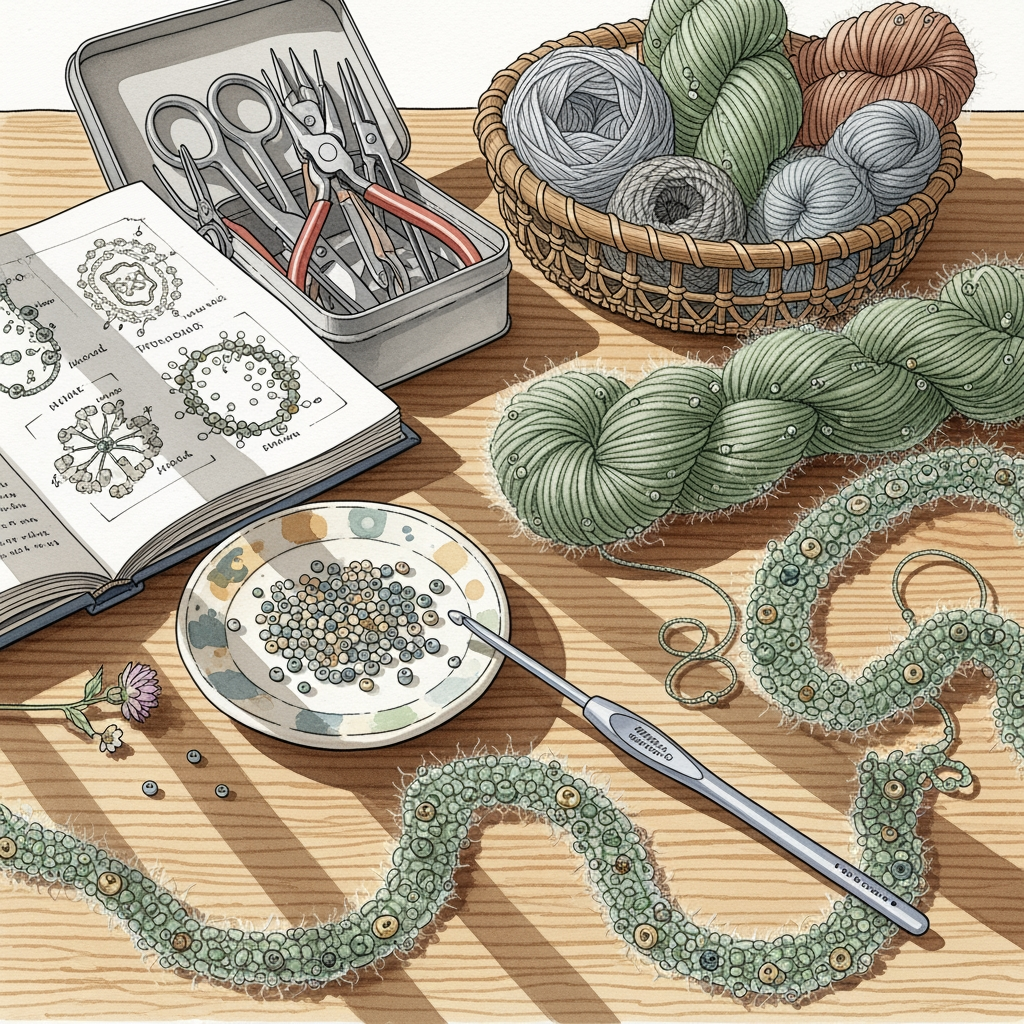
Proper attachment requires two flat-nose pliers and the correct size of jump ring. Using one’s fingers to open a jump ring creates an uneven gap that is prone to catching, eventually sliding off the knitted stitch.
To close a jump ring correctly, pull the ends toward each other in a side-to-side motion rather than pulling them apart like a hinge. This maintains the circular shape and ensures the ring remains completely sealed.
For extra security, consider using a small dab of clear jewelry adhesive on the jump ring closure if the garment is intended for a child. Always attach charms to a reinforced edge or a specific stitch anchor rather than a random loop of yarn.
Caring for Your Custom Charm Jewelry Pieces
Treating a charm-adorned garment with care requires an adjustment to the standard laundry routine. If possible, remove the charm before washing, especially if the project is being hand-washed in wool-specific detergent.
If the charm must stay on, ensure the entire piece is turned inside out to protect the metal from snagging on the agitator or other clothing items. After washing, pat the charm dry with a lint-free cloth to prevent water spots from forming on the metal surface.
Stored correctly, charm-enhanced knitwear remains a beautiful synthesis of textile and metal. Keep garments laid flat or hung carefully, ensuring the weight of the charm doesn’t cause the fiber to pull or stretch while in storage.
Adding these small, metallic accents invites a sense of intentionality into every project, bridging the gap between fiber craft and wearable art. With the right selection of materials and a few simple hardware techniques, any maker can achieve a finished look that feels as bespoke as the knitting itself.