6 Best Natural Binders For Incense Making To Use
Discover the 6 best natural binders for incense making to ensure your DIY sticks burn perfectly every time. Read our expert guide and start crafting today.
Crafting incense is much like selecting the perfect yarn for a complex lace shawl; the structural integrity of the final piece depends entirely on the base materials chosen. Just as a slippery silk requires a different needle grip than a rustic wool, various botanical blends demand specific binders to maintain their form during the drying process. Understanding these natural agents ensures that cones hold their shape and sticks burn evenly without crumbling mid-combustion. Mastering these ingredients is the first step toward achieving professional-grade results in any artisanal craft room.
Makko Powder: The All-in-One Binder and Base


Makko powder serves as the industry standard for a reason. Derived from the bark of the Machilus thunbergii tree, it acts as both a combustible base and a powerful binder.
Think of it as the foundational “worsted weight” yarn in a stash; it is versatile, reliable, and predictable. Because it is nearly odorless, it will not interfere with delicate essential oils or rare resins added to a signature scent profile.
This is the ideal starting point for those new to incense making. It provides excellent adhesion without requiring complex secondary additives.
Guar Gum: The Easy-to-Find Kitchen Staple
Guar gum is a plant-based thickening agent derived from the guar bean. It is incredibly potent, meaning a little goes a long way when preparing the dough.
Much like using a specific type of tension-adjusting tool for gauge-heavy projects, adding guar gum requires precision. If the ratio is too high, the resulting mixture can become overly rubbery or gummy, making it difficult to shape or extrude.
Use this when accessibility is the priority. It integrates well into home-based production, provided the measurements remain exact to avoid unwanted texture issues.
Gum Tragacanth: For Strong, Slow-Burning Cones
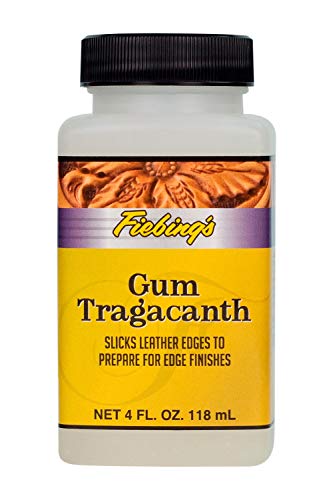
Gum tragacanth is a natural exudate from Middle Eastern legumes, prized for its exceptional binding strength. It is particularly effective for large, heavy cones that require structural support during the long drying phase.
When working with heavy, rustic incense materials—similar to knitting with thick, heavy aran wool—this gum provides the necessary “strength” to keep the piece from sagging. It creates a very hard, durable finish once the incense has fully cured.
While it is slightly more expensive, the structural security it offers is unmatched for complex or oversized projects. It remains the professional’s choice for items that must withstand significant handling.
Gum Arabic: Best for Delicate Scent Profiles
Gum arabic is a water-soluble resin harvested from acacia trees. It is prized for its clarity and neutral properties, making it an excellent choice for blends where maintaining the purity of a specific fragrance is paramount.
Just as one might choose a fine-gauge, high-twist yarn to showcase the crisp stitch definition of a cable, gum arabic supports the integrity of the scent. It does not introduce a woody or earthy background note, allowing the top notes of a fragrance to shine through.
It dissolves easily in water, making it user-friendly for those who prefer working with liquid-based binders. It is best reserved for lighter, more ethereal incense projects.
Joss Powder: The Traditional Choice for Sticks
Joss powder is the bark of the Litsea glutinosa tree and serves as the backbone of traditional stick incense. It is specifically designed to provide a smooth, flexible paste that can be easily extruded or rolled onto bamboo splints.
Consider this the “workhorse” of the binder world. It provides the necessary elasticity to prevent cracking as the stick dries, much like how a wool-nylon blend provides the elasticity needed for long-lasting, comfortable socks.
For those focusing on traditional stick incense, joss powder is non-negotiable. It offers the most authentic burning experience and consistent results for mass-production styles.
Sandalwood Powder: A Scented Binder Option
Sandalwood powder adds a subtle, woody base note to any blend while acting as a mild binder. It is not as powerful as makko or joss, but it adds significant depth to the finished product.
Using this is comparable to choosing a core-spun wool that adds warmth and texture to a garment. It contributes to the “body” of the incense, ensuring a slow, steady burn.
Rely on sandalwood when the goal is to enhance the overall scent profile rather than just providing structural support. It is best used in tandem with stronger binders to ensure the stick or cone does not lose its shape.
How to Choose the Right Binder for Your Blend
Selecting a binder requires an assessment of both the particle size of your botanical ingredients and the desired final form. Fine, powdery ingredients require less aggressive binders than coarse, wood-heavy blends.
Think of this as choosing the right needle material for your fiber. A slippery, smooth blend might require a grippier binder to prevent the incense from crumbling, while a fibrous, rough blend may need a more lubricious binder to allow for easy shaping.
Always start with a baseline ratio. Test a small batch before committing a large amount of precious essential oils or rare resins to the dough.
Binder Ratios: Getting the Perfect Consistency
The ideal ratio usually involves a blend of 10% to 20% binder to your dry botanical mix. Too little, and the incense will turn to dust; too much, and it will refuse to ignite or burn with a harsh, synthetic-smelling smoke.
Treat your measurement like calculating yardage for a sweater. Precise weighing—rather than volumetric measuring—is essential for repeatable, successful batches.
Adjusting the water content is equally critical. Incorporate moisture gradually, kneading until the dough reaches the consistency of firm cookie dough or pliable modeling clay.
Gums vs. Powders: Understanding the Difference
Gums (such as arabic and tragacanth) are concentrated mucilaginous agents that act as a “glue.” Powders (like makko and joss) act as both the structure and the adhesive.
Gums are best suited for fine-tuning the hardness of a product, while powders provide the bulk required for volume. Many experienced makers utilize a blend of both to achieve the perfect balance of strength and burnability.
Think of it as the difference between a delicate silk thread for sewing seams and a sturdy yarn for the garment’s body. Each has a specific, non-interchangeable role in the construction process.
Troubleshooting Your Incense Dough and Mixture
If the dough is cracking, it usually lacks sufficient moisture or binder. If it is too soft to hold a shape, it may have been over-hydrated or requires a dusting of additional binder powder.
Much like identifying a dropped stitch or a tension imbalance, you must observe the behavior of the dough. Take notes on how the mixture handles, dries, and burns to refine your future attempts.
Never discard a failed batch immediately. Often, re-grinding the mixture and adding a small amount of binder or water can salvage the ingredients, much like frogging a piece to start the row again.
The path to mastering incense lies in the patience to refine your ratios and the willingness to learn from each drying cycle. Treat your ingredients with the same care and respect as a fine wool, and your finished incense will reflect the quality of your craft. Happy blending.