7 Best Garment Tapes For Temporary Patch Positioning
Discover the 7 best garment tapes for temporary patch positioning. Read our expert guide to choose the right adhesive for your next sewing or crafting project.
Positioning a patch or applique on a hand-knitted garment requires precision and care to avoid distorting the stitches. Relying on pins can often snag delicate fibers or leave unsightly gaps in your hard-earned gauge. Using a purpose-built garment tape provides a stable, temporary anchor that holds your embellishments in place while you stitch them down permanently. Choosing the right adhesive ensures that the fabric remains pristine once the work is complete.
Dritz Wonder Tape: The Best Wash-Away Choice
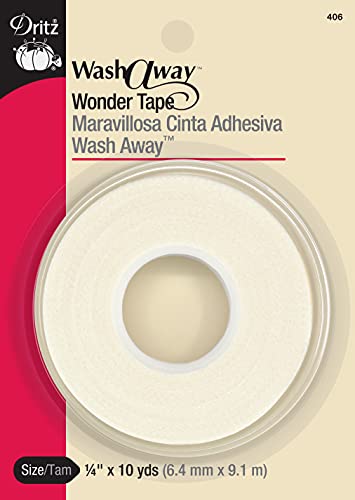

Dritz Wonder Tape acts as a double-sided, transparent adhesive that dissolves entirely in water. It is an ideal solution for securing patches on wool or cotton knits that will eventually undergo a standard wet-blocking process.
Because it disappears during the first wash, there is no risk of residue stiffening the fabric over time. This makes it a favorite for sweaters or scarves where the drape must remain soft and fluid.
Always ensure the tape is completely submerged during laundering to guarantee a clean removal. For projects using luxury fibers like cashmere or mohair, this tape is the safest route to prevent long-term damage.
Scotch Removable Tape: For Non-Wash Projects

Sometimes a project requires a temporary hold without the need for immediate washing. Scotch Removable Tape offers a gentle, low-tack surface that peels away from most knitting fibers without leaving a sticky film.
It serves perfectly for mapping out the placement of motifs on items like heavy felted bags or decorative wall hangings. Because it is not designed specifically for fabric, it lacks the aggressive grip of specialty tapes, making it better for lighter, flat patches.
Use this when the goal is purely alignment rather than structural support. If the fabric has a high nap, such as a brushed alpaca, test a small hidden area first to ensure fibers do not lift upon removal.
SINGER Basting Tape: A Top Pick on a Budget

SINGER Basting Tape provides a cost-effective, reliable hold for those who tackle high-volume sewing and mending projects. It provides enough tack to keep a patch centered while maneuvering through a sewing machine or navigating a hand-sewing needle.
It is particularly useful when working with thicker, sturdier yarns like worsted or chunky weight wools. The tape has enough body to withstand being pierced by a needle, which is a major advantage for basting heavy canvas patches onto knitted foundations.
Note that this tape is generally permanent until washed, so it is best for projects where the patch will be sewn down immediately. It offers excellent value for the maker who keeps a well-stocked sewing kit.
Hollywood Fashion Tape: For Ultra-Delicate Knits
Originally designed for garment adjustments, Hollywood Fashion Tape is essentially a medical-grade, double-sided adhesive strip. Its primary benefit is a gentle formulation that is highly unlikely to trigger reactions or damage delicate silk or bamboo-blend knits.
The strips are pre-cut, allowing for precise application without the need for scissors. This is invaluable when working with intricate lace or fine-gauge garments where you cannot risk messy adhesive spills.
It provides a secure, flexible bond that moves with the fabric rather than fighting it. If a patch needs to stay put on a garment that will be worn for a special event before permanent sewing occurs, this is the most professional choice.
Therm O Web Fabric Fuse: For the Strongest Hold
Therm O Web Fabric Fuse is a heavy-duty adhesive tape that bridges the gap between temporary positioning and permanent stabilization. It is significantly tackier than standard basting tapes, making it ideal for thick patches that tend to shift or slide.
It is best suited for robust, hard-wearing projects like denim appliques on heavy-duty cardigans. Because of its strength, it is not recommended for delicate, open-work knits where the adhesive might pull at the structure of the stitch.
Think of this as a semi-permanent solution for when alignment accuracy is the highest priority. Always use a pressing cloth if you decide to heat-set the tape, as high heat can alter the luster of certain synthetic yarn fibers.
Aleen’s Fabric Fusion: The Most Versatile Tape

Aleen’s Fabric Fusion tape brings the reputation of a trusted fabric glue into a convenient strip format. It is highly versatile, adhering well to everything from smooth synthetic blends to textured animal fibers.
It is particularly adept at gripping difficult surfaces that tend to shed or pill. For knitters working with yarns that have a loose twist, this tape provides a stable platform that helps maintain stitch integrity while working.
Be mindful that it is more aggressive than water-soluble options. It is the go-to selection for heavy patches that require a firm, lasting placement throughout the entire stitching process.
Washi Tape: A Low-Tack Option You Already Own
Washi tape serves as a surprising, effective alternative for very short-term, low-stakes positioning. Its paper-based construction means it has a very gentle, low-tack adhesive that is unlikely to damage even the most fragile of fibers.
While it lacks the heavy-duty holding power of fabric-specific tapes, it is excellent for holding a small patch in place while you take a quick measurement or verify symmetry. It is also completely removable and leaves no residue behind.
Limit its use to items that will not be handled roughly, as the adhesive can lose its tackiness quickly. It is an excellent “in-a-pinch” tool to keep in your notion box for quick visual checks.
How to Choose: Wash-Away vs. Peel-Off Tape
Selecting between a wash-away and a peel-off tape depends entirely on your finishing workflow. If the garment is intended to be blocked or washed immediately after completion, a water-soluble tape is always superior.
Wash-away tapes eliminate the risk of leaving behind sticky residue that can attract dirt or dust over time. Conversely, peel-off tapes are essential when the project must remain dry, such as a finished garment meant for immediate wear.
Always check the fiber content of your project before selecting a tape. Synthetic fibers like acrylic often hold onto adhesive residues differently than natural animal fibers like wool or mohair.
Applying Tape to Knits Without Stretching Fabric
Applying tape to a knitted garment requires a light, calculated touch. Because knits are inherently stretchy, pressing down too hard can create an unintended “wave” or distorted gauge in the fabric beneath the tape.
Instead of stretching the fabric taut against a table, lay it flat in a neutral, relaxed state. Apply the tape gently, using only enough pressure to create a bond, and ensure the fabric remains in its natural, uncompressed shape throughout.
When placing the patch, lower it onto the tape carefully rather than sliding it across the surface. This prevents the tape from dragging against the knit loops, which could cause the yarn to snag or pull out of alignment.
Can I Use Office Tape? A Word of Warning
Standard office tapes, such as clear stationery or gift-wrap tape, are fundamentally unsuitable for knitting projects. These adhesives are designed for paper, not textiles, and often contain aggressive solvents that can discolor or permanently damage yarn fibers.
Even if the tape seems to peel off cleanly, it frequently leaves behind an invisible, tacky residue. This substance acts as a magnet for lint, pet hair, and environmental debris, which will become trapped in the fabric’s crevices.
Furthermore, removing office tape from a soft yarn often causes the fibers to pull or fray, leading to unsightly pilling. Save office tape for your stationery needs and invest in proper fabric-friendly adhesives to protect the longevity of your knitting.
Choosing the right positioning tape transforms the finishing process from a frustrating chore into a precise, satisfying step in your project’s completion. By selecting a tape that respects your fiber’s composition and your garment’s intended use, you ensure your work remains as beautiful as it was when it left your needles.