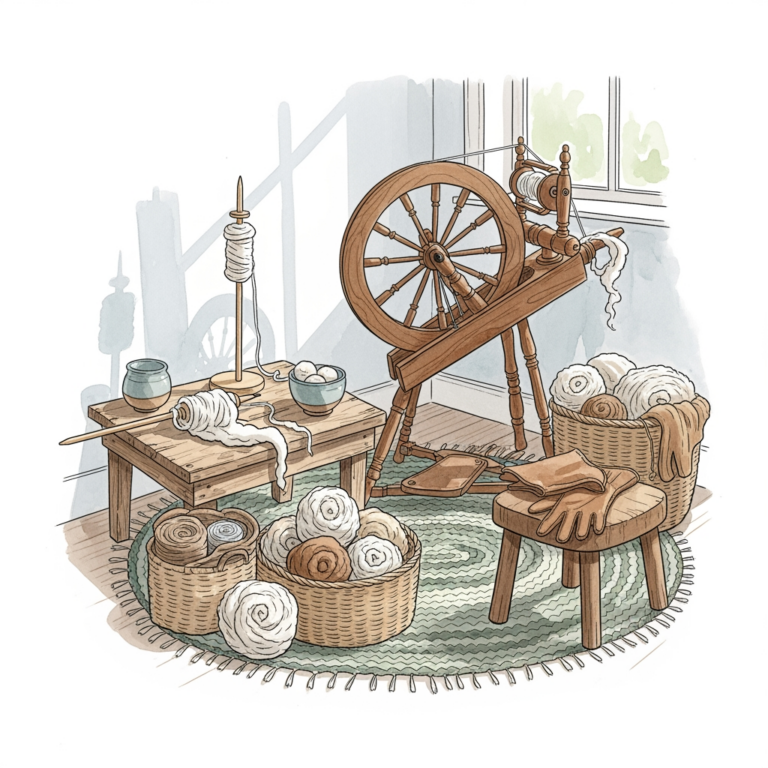
6 Best Spinning Stools For Correct Posture To Consider
Boost your productivity and comfort with our top 6 spinning stools for correct posture. Read our expert guide to find the perfect ergonomic seat for your space.
Long spinning sessions can lead to significant back strain and leg fatigue if the body is not properly positioned. Finding the right stool is just as critical as selecting the perfect drop spindle or spinning wheel flyer. When the body is supported, the focus remains entirely on drafting fibers and managing twist rather than nursing an aching lower back. This guide explores the best seating solutions designed to keep the rhythm steady and the posture healthy.
Schacht Spinning Stool: Best For Wheel Compatibility
The Schacht stool is purpose-built to integrate seamlessly with the company’s renowned line of spinning wheels. It features a seat height specifically engineered to align with the treadle action of most Schacht models. This prevents the common issue of needing to over-extend the leg to reach the treadle, which often leads to hip pain during marathon spinning sessions.
The construction prioritizes stability above all else, ensuring the stool does not shift or rock when the spinner is working at a high tempo. Because Schacht wheels often have a unique treadling cadence, having a seat that mirrors that geometry is a major advantage. It eliminates the need for improvised adjustments like stacks of cushions or phone books.
Ultimately, this is the most logical choice for those who already own a Schacht wheel. The height-to-treadle ratio provides a professional experience that minimizes joint stress. If efficiency and native compatibility are the top priorities, this stool is the gold standard.
Woolery Ultimate Stool: Top Ergonomic Choice
Ergonomics in spinning centers on maintaining a neutral spine while allowing for the natural movement required to pedal a wheel. The Woolery Ultimate Stool provides a contoured seat that encourages proper pelvic alignment. By tilting the pelvis slightly forward, the spine maintains its natural curve, which is essential for long-term comfort during plying or heavy drafting.
This stool excels at reducing pressure on the backs of the thighs. When the circulation is restricted by a seat edge that is too hard or improperly angled, it can lead to numbness—a distraction that ruins the flow of the yarn. The padding on this model strikes a balance between comfort and the necessary firmness required for stable support.
Consider this option if long-term comfort is the primary concern over style or portability. It is an investment in the longevity of the hobby. For spinners who spend hours at the wheel, the structural support provided here is hard to beat.
Ashford Spinning Chair: Classic, Solid Wood Design


Ashford is a staple in the fiber arts community, and their spinning chair reflects a commitment to traditional, durable design. Crafted from high-quality wood, it offers a sturdy platform that does not sag or deform over years of heavy use. It provides a no-nonsense, functional experience that appeals to those who value simplicity and longevity.
The aesthetic of the Ashford chair fits perfectly in a dedicated studio space or a living room corner. Unlike plastic or modern metal alternatives, the solid wood construction adds a touch of charm to the spinning environment. However, the lack of padding means the user must decide if they prefer a firmer surface or if they are willing to add a seat cushion.
This chair is the ideal choice for a minimalist who appreciates traditional craft. While it lacks modern bells and whistles, its reliability is unquestioned. Pair this with a sheepskin or a wool seat pad to achieve a perfect mix of classic look and modern comfort.
Majacraft Dynamic Stool: Most Adjustable Option
The Majacraft Dynamic Stool offers a level of customization that few other options can match. Adjustability is vital because not every spinner is the same height, and not every wheel requires the same seat position. Being able to fine-tune the angle and height of the seat allows for a truly personalized setup that accommodates different body types and spinning techniques.
This stool is particularly effective for those who frequently switch between different wheel brands or models. Because the seat angle can be adjusted, it can be tilted to accommodate different treadle setups. It effectively eliminates the one-size-fits-all frustration found with standard chairs.
If you find that your current setup feels “off” regardless of how you arrange your feet, the dynamic adjustability here is the solution. It is a tool for those who prefer precision and data-backed comfort. The higher price point is justified by the versatility it offers across multiple spinning setups.
Leap Ergonomic Saddle Stool: Best For Active Spinning
Saddle stools are designed to keep the hips open and the spine aligned by forcing the body into an active, upright position. This is excellent for spinners who find themselves leaning forward or slouching over their wheel. The saddle design effectively prevents the user from rounding the shoulders, which is a common posture trap when trying to observe a thin singles yarn.
Because the legs are positioned in an open, downward angle, circulation is improved significantly compared to a traditional chair. This allows for longer sessions without the need to stand up and stretch constantly. It is an active way to sit that engages the core muscles while you focus on controlling the twist.
If you struggle with lower back pain, the saddle stool is a game changer. It encourages a natural sitting posture that is much healthier for the spine than a conventional seat. Be aware that it takes a few sessions to get used to the open-leg position, but the long-term benefits for posture are significant.
Glitzhome Adjustable Stool: Great Budget-Friendly Pick
Not every spinner has the budget for a high-end, dedicated fiber arts chair. The Glitzhome adjustable stool offers a functional, height-adjustable alternative that works well for many spinners. It provides the essential feature of height modification without the hefty price tag associated with specialized equipment.
This stool is sturdy enough for daily use and provides a stable base for standard spinning tasks. While it may lack the specific ergonomic curves of more expensive options, its ability to be adjusted means you can still find a height that keeps your knees in the correct alignment with your treadle. It is a practical entry-point for beginners building their first studio.
For those just starting their spinning journey, this is a smart, budget-conscious decision. It performs the basic function of seating effectively, leaving more room in the budget for high-quality fiber or wheel upgrades. It proves that you do not need to overspend to get a functional, supportive seat.
How to Find Your Ideal Spinning Stool Height
To determine the correct height, sit on the stool and place your feet on the treadles. Your knees should be at a slightly lower angle than your hips, which helps promote better blood flow and reduces lower back strain. If your knees are higher than your hips, you will likely experience discomfort in the lower lumbar region.
Most spinning wheels are designed with a specific height in mind, but individual anatomy varies. Experiment by adjusting the stool in small increments until the treadling motion feels effortless and fluid. When the height is correct, the energy should flow from the hips and thighs rather than the ankles or knees.
- Measure your wheel’s treadle height from the floor.
- Ensure your seat allows for a 90-degree to 110-degree angle at the knee.
- Avoid seats that are too low, as these cause the knees to push upward into the hips.
What Makes a Stool Ergonomic for Spinning?
An ergonomic stool must do more than just provide a place to sit; it must actively support the biomechanics of spinning. The primary requirement is a seat that allows for an open hip angle, which prevents the pelvis from tucking under and causing a hunched back. A subtle forward slope or a contoured seat can facilitate this position naturally.
Stability is the second pillar of ergonomic design for spinners. Because treadling requires a repetitive forward-and-back motion of the legs, the seat must not slide or wobble. A stable base ensures that the spinner can apply consistent pressure to the treadles without fighting to maintain their balance.
- Adjustable Height: Essential for matching different wheel geometries.
- Contoured Surface: Helps redistribute weight and pressure.
- Stability: Prevents slipping during vigorous treadling.
- Padding Type: High-density foam is superior to soft cushions for long-term support.
Adjusting Your Stool and Wheel for Perfect Posture
Correcting your posture involves more than just buying the right stool; it requires a holistic look at the entire workstation. Once you have a height-adjustable stool, bring your wheel closer to your body to minimize reaching. Extending the arms too far forward—a common mistake when drafting lace-weight yarn—places unnecessary strain on the shoulders and neck.
Once the wheel and stool are positioned, check your shoulder tension. Your shoulders should remain relaxed and dropped, not hunched toward your ears. If you find yourself tensing up, adjust your stool height slightly lower or move the wheel closer.
The goal is to create a “closed loop” of movement. Your legs should power the wheel with minimal effort, and your hands should be free to draft. If you feel like you are fighting your own furniture to reach the fiber or the treadle, it is time to recalibrate your setup.
Why Stool Material Matters: Wood vs. Upholstered
The choice between wood and upholstered seating comes down to the trade-off between durability and comfort. A solid wood stool, like those from Ashford, offers a firm, unyielding surface. This is excellent for stability and long-term durability, as there is no foam to compress or fabric to wear out over time.
Upholstered stools provide immediate, cushiony comfort, which is helpful for shorter, intense spinning sessions. However, the quality of the foam matters; cheap, low-density foam will flatten quickly, potentially causing alignment issues later on. If you choose an upholstered seat, ensure the padding is firm and high-density to provide genuine support.
- Wood: Best for longevity, easy cleaning, and firm, unchanging support.
- Upholstered: Best for immediate comfort and pressure relief during long sessions.
- Tradeoff: Upholstery requires more maintenance and can eventually lose its supportive shape.
Investing in a high-quality spinning stool is a decision that pays dividends in both comfort and the quality of the yarn you produce. By prioritizing ergonomic support and proper alignment, you ensure that every spinning session remains a joy rather than a chore. Whether you choose a classic wooden design or a highly adjustable modern stool, the right choice will fundamentally improve the way you interact with your fiber arts tools.