6 Best Finger Splints For Stabilization During Breaks
Recovering from an injury? Explore our expert guide to the 6 best finger splints for stabilization during breaks to support your healing. Shop our top picks now.
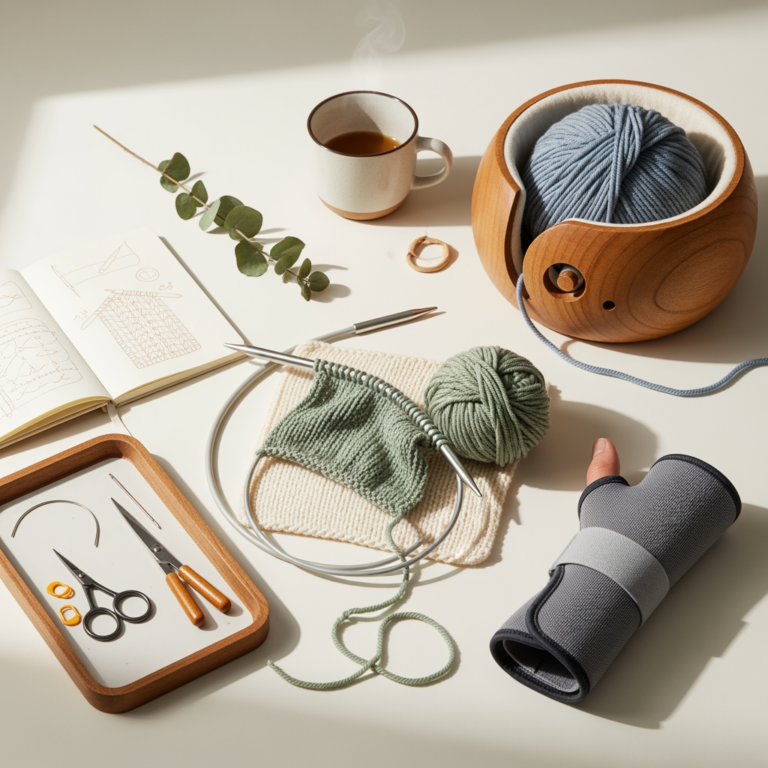
Hand pain is an unfortunate reality for many dedicated makers, often stemming from hours spent working tensioned yarn through intricate stitch patterns. When a finger injury threatens to pause a long-term project, the right stabilization tool becomes as essential as a trusty set of circular needles. Choosing the correct splint balances the need for rigid structural support with the dexterity required for delicate needle manipulation. Investing in the right gear early on can prevent chronic strain and ensure that a brief break from knitting doesn’t turn into a permanent hiatus.
Oval-8 Finger Splints: Best Low-Profile Support


The Oval-8 splint is a minimalist’s dream, offering structural support without adding the bulk that often interferes with knitting rhythm. Its sleek, translucent design keeps the finger immobilized just enough to prevent hyperextension while leaving the surrounding knuckles free to move.
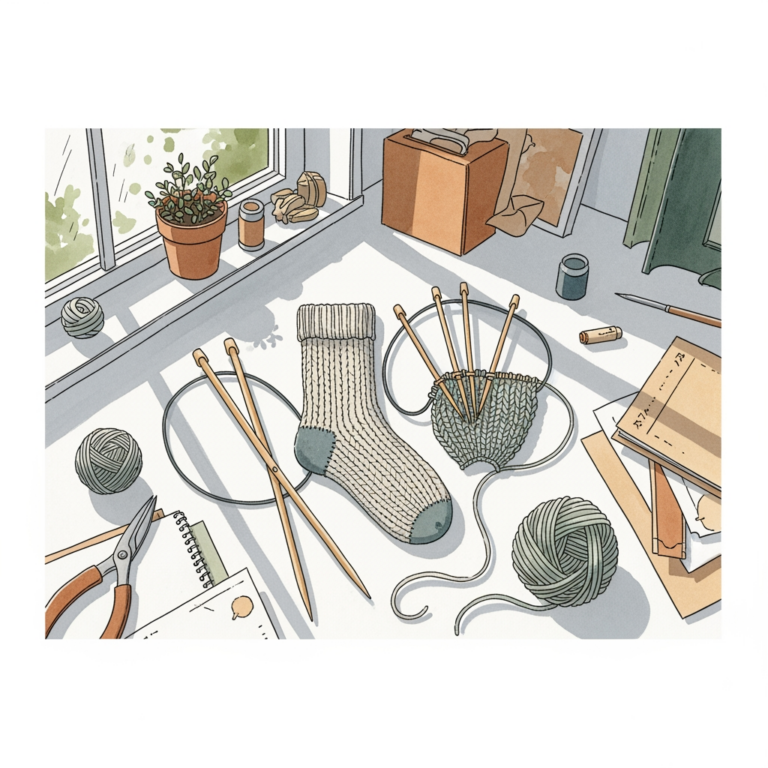
For those working on fine-gauge projects like lace shawls or intricate sock patterns, bulk is the enemy of tension control. This splint is unobtrusive enough to slide behind the working yarn, ensuring the splint itself doesn’t snag or drag on delicate fibers like mohair or lace-weight silk.
The trade-off for this low profile is a lack of adjustable straps; the fit depends entirely on choosing the correct size from the start. If the splint is too loose, it will constantly shift during long sessions of English or Continental knitting. Ensure a snug, secure fit, as an ill-fitting splint will cause more frustration than the injury itself.
Vive Trigger Finger Splint: Best for Full Immobilization

When an injury requires strict rest, the Vive Trigger Finger Splint provides the necessary rigidity to lock the joint in place. This is a robust solution for when inflammation reaches a point that active knitting motions become painful or counterproductive to healing.
This splint features a built-in metal bar that forces the finger into a neutral, straight position. While this effectively eliminates trigger finger symptoms during recovery, it significantly alters hand mechanics and will necessitate a temporary shift in knitting technique.
Knitting with a fully immobilized finger requires adjusting how the yarn is tensioned, as the finger can no longer participate in the rhythmic “flicking” or “picking” motion. Accept that speed will decrease significantly while wearing this. Prioritize simple, garter-stitch projects that don’t require complex cabling or intricate stitch manipulation until the joint is rehabilitated.
3-Point Products Buddy Loops: Best for Sprains
Buddy loops represent a simple but effective approach to stabilization by securing an injured finger to its healthy neighbor. This method relies on the strength of the adjacent finger to provide support, acting as a natural splint for minor sprains or strains.
These loops are excellent for knitters who find rigid plastic or metal splints too restrictive or uncomfortable for long-term wear. Because they use a soft, padded material, they allow for more natural finger movement compared to a cast or hard-shell splint.
One potential drawback is the buildup of sweat and moisture, which can be irritating when handling high-quality natural fibers like wool or alpaca. Keep the loops clean and dry between knitting sessions to prevent skin irritation. If the tension between the two fingers feels uneven, re-adjust the loops to ensure the injured digit is properly supported without straining the healthy one.
BodyMoves Splint Set: Best All-Purpose Value Pack
The BodyMoves set provides a variety of sizes and shapes, making it a reliable insurance policy for any knitting bag. Since fingers vary in thickness and knuckle width, having an assortment ensures that a support is always available regardless of which digit begins to ache.
These splints are particularly useful for knitters who experience “knitting fatigue” across different fingers depending on the project type. For instance, a long session of stranded colorwork may tax the index finger, while heavy cabling might place more strain on the middle or ring fingers.
The trade-off with multi-pack sets is that they often use standardized sizing that may not offer a perfect anatomical match for everyone. Use these as a bridge to see which style provides the best comfort and stabilization before committing to a more expensive, custom-fitted solution. Always test the movement of your hand without yarn first to ensure the splint allows for enough mobility to reach your needles.
NEO G Easy-Fit Splint: Best for Thumb Stabilization
Thumb pain is arguably the most common complaint among experienced knitters due to the constant tensioning and squeezing motions required to hold needles. The NEO G Easy-Fit splint provides crucial support to the CMC joint, which is the base of the thumb often impacted by repetitive motion.
Unlike finger-specific splints, this design provides enough structural reinforcement to handle the high-stress, high-pressure movements associated with gripping needles. It stabilizes the joint while allowing the rest of the hand to remain functional enough for standard knitting tasks.
Be mindful that adding any support to the thumb will change the way the needle is grasped. Practice on a swatch before tackling a complex project to get a feel for how the added bulk affects your stitch tension. A tighter or looser grip will inevitably change the gauge, so re-check your WPI (wraps per inch) and gauge if you plan to wear this for the duration of a project.
BraceAbility Mallet Finger Splint: Best for Tip Injury
Mallet finger injuries affect the very tip of the finger, which is the exact point of contact for many knitters when working with thin needles. This splint is designed to protect that distal joint, allowing it to heal without losing all hand function.
By shielding the tip of the finger, this splint provides a buffer against the sharp point of a metal needle or the friction of a bamboo needle. It effectively forces the finger to remain extended, preventing the “hooking” motion that can exacerbate a tendon injury.
Because it restricts the tip of the finger, expect a learning curve with yarn pickup. Avoid lace or fine fingering-weight yarns while using this, as the limited dexterity makes navigating delicate fibers significantly harder. Stick to worsted weight or heavier yarns where you can rely on muscle memory rather than fine-tuned tip precision.
How to Choose the Right Splint for Your Hand Pain
Identifying the source of your pain is the first step toward selecting the right tool. If the pain is localized to a joint, a rigid splint is likely necessary; if the pain is generalized or muscular, a support that provides compression may be more beneficial.
- Determine the type of injury: Is it a soft tissue strain, a tendon issue, or a joint injury?
- Evaluate the required mobility: How much movement must be preserved to keep knitting comfortably?
- Check the material: Does it breathe, or will it trap moisture and heat against the skin?
- Assess the fit: Does it interfere with the hold of your specific needle type (e.g., DPNs vs. circulars)?
If the splint creates more tension in the wrist or palm, it is not the right choice for knitting. A proper splint should isolate the injured area while allowing the rest of the hand to remain in a neutral, relaxed position. When in doubt, prioritize comfort over rigid immobilization unless directed otherwise by a healthcare provider.
Sizing Your Finger Splint for a Perfect, Secure Fit
A splint that is too large will slide around, causing friction and potentially worsening the injury. A splint that is too small will restrict blood flow, which is dangerous for long-duration activities like knitting where your hands are already under mild physical stress.
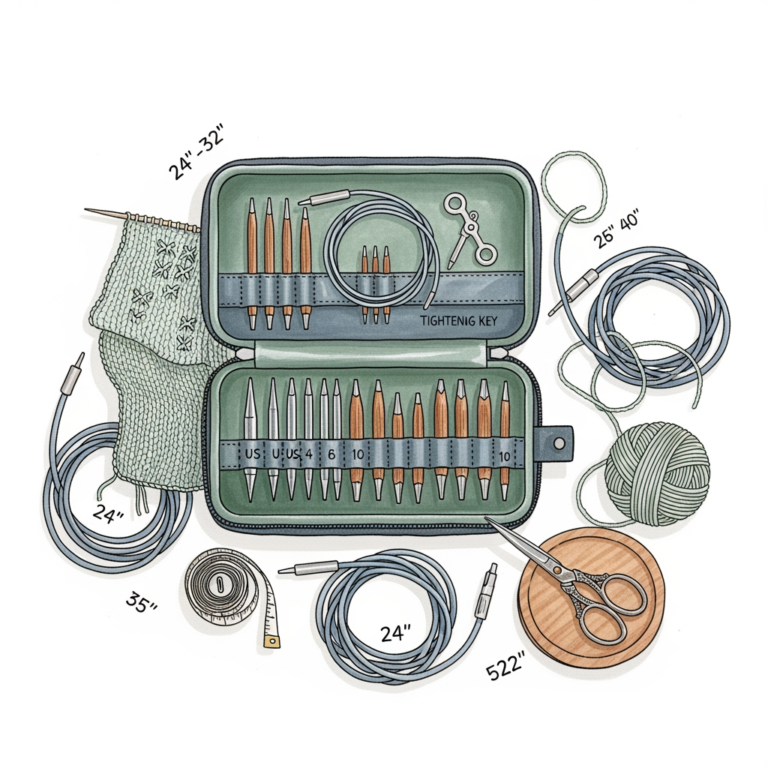
To measure correctly, use a soft measuring tape around the affected joint at its widest point. Compare this measurement against the manufacturer’s size chart carefully. Keep in mind that hands often swell slightly after hours of repetitive motion, so a measurement taken in the morning might be tighter by the end of an evening session.
If you are between sizes, consider the fabric or material of the splint. Flexible, soft-material splints can often accommodate slight variations, while hard, plastic-based splints require a precise match to the anatomy of your finger. Always ensure the splint is centered over the joint; even a slight misalignment can render the support ineffective.
Can You Knit While Wearing a Finger Splint?
Knitting while injured is possible, but it requires a change in mindset and a reduction in project complexity. You must prioritize the healing of your hand over the progress of your project.
The most successful knitters during a recovery period are those who switch to simpler techniques. If you are a Continental knitter, you may find it easier to switch to English knitting if the injury is on the dominant “picking” hand, as the motions are distinct enough to avoid aggravating the specific tendon or joint.
Be prepared to swatch frequently. A splint will inevitably alter your hand’s position, which usually leads to a change in tension. If your gauge has changed significantly, do not force it; adjust your needle size accordingly or choose a project where gauge is less critical, such as a basic garter stitch scarf or a chunky throw.
When to Use a Splint vs. When to See a Doctor
Splints are aids for recovery, not a replacement for medical intervention. If you experience persistent numbness, significant swelling, or pain that radiates up the arm, discontinue knitting and consult a medical professional immediately.
A splint is appropriate for minor strains, temporary discomfort from over-knitting, or as a support during the healing phase of a known injury. However, if the pain persists after resting for several days, it indicates a more serious condition, such as carpal tunnel or severe tendonitis, which requires expert diagnosis.
Never ignore the body’s warning signs. Knitting should be a source of joy and relaxation, not chronic physical pain. Use splints as a bridge to return to your craft safely, and always listen to the limitations of your own anatomy rather than pushing through the discomfort.
With the right splint, the transition from injury back to the needles can be smooth and successful. Focus on proper fit and realistic expectations to ensure a comfortable recovery. Happy knitting, and may your hands remain steady and pain-free.