6 Best Acrylic Charms For Lightweight Costume Bracelets
Discover the 6 best acrylic charms for lightweight costume bracelets. Enhance your jewelry designs today with our expert selection of durable, stylish options.
Adding handmade accessories to a knitting project bag or personalizing a custom-knit garment often requires the same attention to detail as choosing the right stitch pattern. Acrylic charms serve as the perfect lightweight accent for these creations, offering vibrant color and durability without adding the heavy drag of metal components. Selecting the right charm ensures the finished piece maintains the delicate balance and drape intended for the yarn. Whether embellishing a finished sweater or creating a bespoke charm bracelet to match a hand-dyed shawl, these lightweight options provide professional-looking results.
E-Beads Clear Printed Charms: Best for Custom Looks


E-Beads clear printed charms offer a crisp, professional aesthetic that mimics the look of high-end resin without the excessive weight. These are ideal for crafters who prefer high-definition imagery or specific motifs that match the color palette of a particular yarn project.
Because they are transparent, they catch light beautifully against the matte texture of wool or alpaca fibers. They provide a polished finish that doesn’t overwhelm the intricate work of a cable-knit or lace pattern.
Keep in mind that these charms are often single-sided. If the charm flips during wear, the back may appear plain or matte compared to the vibrant front.
BQLZR Mixed Candy Color Charms: Best Bulk Value Set
Mixed candy color charms are the workhorse of the accessory world, providing a massive variety of shapes and hues in a single pack. They are perfect for makers who enjoy creating “charm soup” style bracelets or need to provide small, fun gifts for a local knitting group.
The primary advantage here is the sheer volume for the price point. These sets are excellent for beginners who are still experimenting with color combinations and want to see how different shapes interact with various knitting weights.
However, the quality can be inconsistent across large sets. Always sort through the charms upon arrival to check for any molding seams or sharp edges that might catch on delicate mohair or fine silk yarns.
Mandala Crafts Flatback Charms: Best for Gluing On
Flatback charms are specifically designed for structural applications where a jump ring is not required. These are the top choice for attaching accents directly onto knitting project bags, needle cases, or hard surfaces like stitch marker boxes.
When working with these, choose a high-quality, flexible jewelry adhesive. A rigid glue may crack as the fabric of a bag flexes, causing the charm to pop off during use.
Consider these charms if the goal is to keep the accessory flush against the surface. They minimize snagging, making them far more practical than hanging charms for items that get tossed into a crowded knitting bag.
Laser-Cut Geometric Charms: For Modern, Minimal Style
Laser-cut acrylic offers razor-sharp edges and sophisticated shapes that pair perfectly with modern, structured knitting patterns. These charms are often lightweight and aerodynamic, ensuring they don’t pull or distort the fabric if attached to a garment’s hem or a scarf edge.
The minimalist aesthetic works well with monochromatic color palettes. They add interest without introducing the “clutter” of more ornate or character-based charms.
Because the edges are precision-cut, they are generally smooth and less likely to snag on yarn fibers than cheaper, molded alternatives. Always inspect the laser-cut path for any burnt residue, which can occasionally be wiped away with a soft cloth.
Kawaii Gummy Bear Charms: Most Playful and Fun Option
Kawaii-style gummy bear charms inject a sense of whimsy into any project. They are incredibly popular for charm bracelets paired with bright, hand-dyed variegated yarns.
The material is typically a translucent acrylic that mimics the look of real candy. They are lightweight enough to be used in multiples without making the bracelet feel heavy or cumbersome on the wrist.
Be aware that these are highly decorative and may not suit every project style. Use them as an accent piece rather than a primary focal point to keep the overall look balanced.
Teeny-Tiny Fruit Slice Charms: Best for Dainty Designs
Teeny-tiny charms are essential for those who prefer subtle, delicate jewelry. They are ideal for projects using fingering or lace-weight yarn where a large charm would look oversized and clunky.
These small accents are lightweight enough to hang from individual stitches or thin chain links without causing sagging. They are best used in small, repetitive patterns along a bracelet chain.
Avoid using these on heavy-wear items where they might be lost easily. Their small size makes them beautiful, but it also makes them harder to recover if they should happen to detach from the bracelet.
How to Securely Attach Charms to Chain Bracelets
Attaching charms securely requires balancing movement with stability. The key is to ensure the charm has enough swing to look natural, but not so much play that the jump ring opens under tension.
Always use two pairs of pliers to open a jump ring—never pull the ends apart like a curtain. Instead, twist the ends away from each other to maintain the circular shape and ensure the ring closes flush.
If you are concerned about the charm catching on your knitting, opt for a closed ring or a locked jump ring. A loose ring is a common failure point that results in lost charms during the active movement of knitting.
Jump Rings vs. Split Rings: Which Should You Use?
Jump rings are the standard for most jewelry, but they rely on the tension of the metal to stay closed. If the ring is made of thin wire, it can easily widen and slide off a chain link, especially if it catches on a strand of wool while you are working.
Split rings act like miniature keychains, offering a double loop of wire that keeps the charm permanently attached. These are far more secure and highly recommended for bracelets or project bag charms that endure frequent handling.
If a project requires the aesthetics of a classic jump ring, consider soldering the ring shut or using a drop of E6000 adhesive. This provides the polished look of a jump ring with the functional security of a split ring.
Cleaning and Caring for Your Acrylic Charm Jewelry
Acrylic is durable, but it is susceptible to micro-scratches and chemical damage. Avoid using harsh solvents like acetone or alcohol, as these will cloud the finish or cause the plastic to become brittle over time.
For daily cleaning, a simple wipe with a soft, microfiber cloth is sufficient to remove oils and dirt. If the charms look dull, a very mild soap and warm water bath will restore their shine without damaging the printed designs.
Store your charm jewelry away from direct sunlight for extended periods to prevent potential fading of printed graphics. Keeping them in a soft fabric pouch also prevents the charms from scratching each other when not being worn or displayed.
The Best Pliers for Beginner Jewelry Making Projects
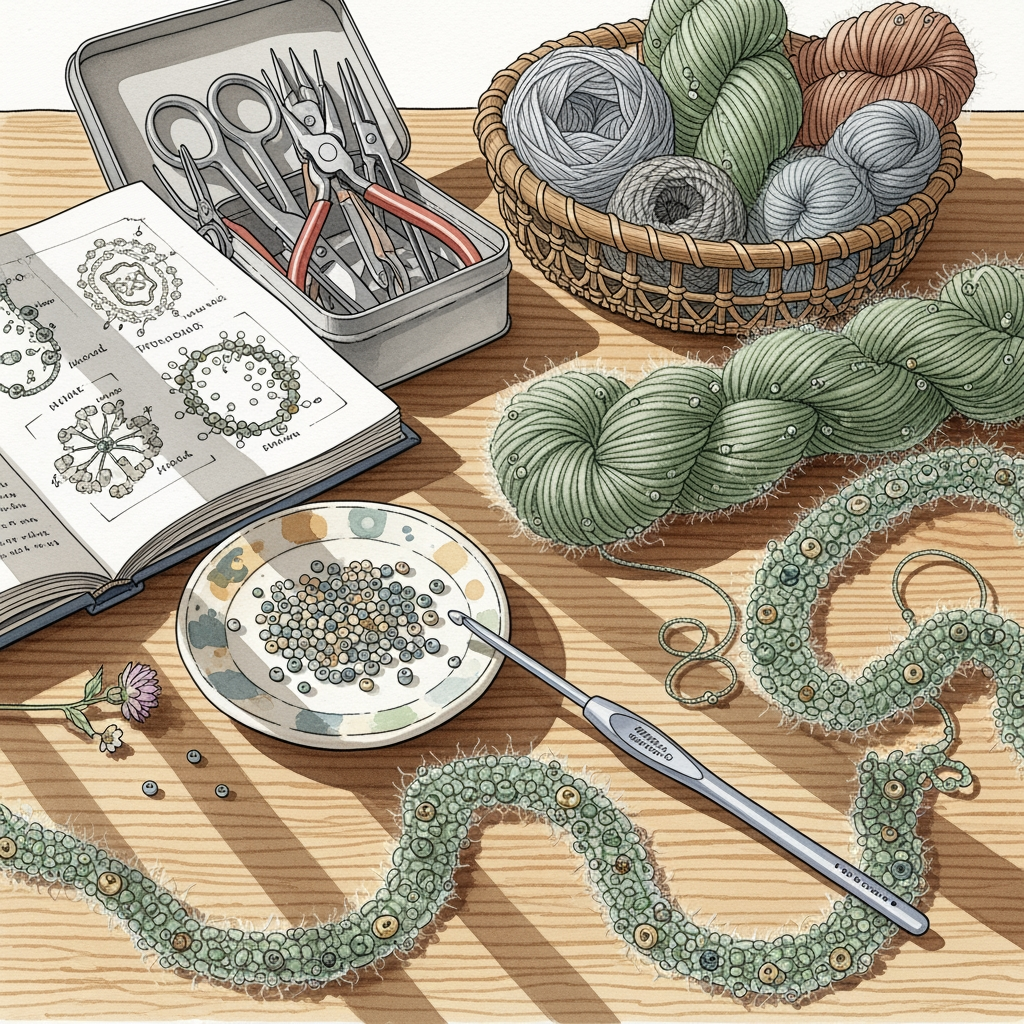
Every jewelry maker needs a fundamental set of tools: chain-nose pliers, round-nose pliers, and wire cutters. Chain-nose pliers are essential for gripping jump rings, while round-nose pliers allow for the creation of custom loops and curves in wire.
Look for tools with ergonomic, rubberized grips to prevent hand fatigue, especially if you are working on a project for an extended period. Quality tools make the process smoother, reducing the risk of slipping and marring the surface of the acrylic charms.
Beginners often find that inexpensive pliers with sharp edges can damage jump rings. Investing in a pair of nylon-jaw pliers is a smart move if you want to ensure the metal surfaces of your findings remain pristine and scratch-free.
Choosing the right acrylic charms for your lightweight bracelet project is a balance of scale, attachment security, and personal aesthetic. By selecting the correct hardware and utilizing proper assembly techniques, you can ensure your handmade accessories are as durable as they are beautiful.