6 Best Sewing Machine Oil Kits For Maintenance
Keep your machine running smoothly with our top picks. Read our guide to find the 6 best sewing machine oil kits for regular maintenance and start cleaning today.
Maintaining a sewing machine is just as vital as keeping your knitting needles organized or ensuring your yarn stash is properly stored. A well-oiled machine produces the consistent stitch quality necessary for joining complex garment pieces or sewing delicate fabric linings. Neglecting internal lubrication leads to friction, heat, and eventual mechanical failure that can halt a project mid-seam. Choosing the correct oil ensures the longevity of the machine and the integrity of the finished textile work.
SINGER Machine Oil: Best All-Purpose Choice
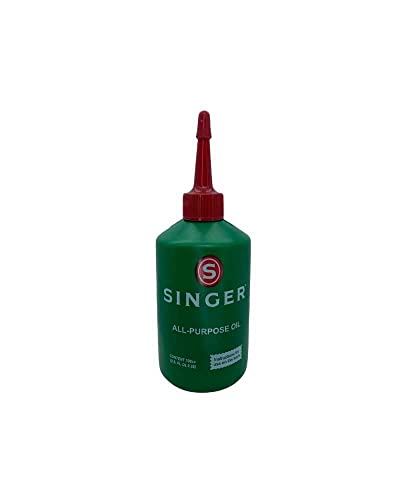

SINGER Machine Oil serves as the industry standard for most home-use machines. It is a highly refined, clear mineral oil that provides reliable lubrication for the internal gears and hook assemblies.
This oil is ideal for those who sew periodically, perhaps only when finishing a sweater or sewing a quick project bag. Its viscosity is balanced, meaning it neither runs too thin to evaporate instantly nor stays too thick to attract lint.
Using this oil prevents the sluggish performance that often occurs after long periods of inactivity. If a machine feels “stiff” when turning the handwheel, a drop of this oil will likely restore its smooth movement.
Liberty Oil Synthetic Kit: Top Synthetic Option

Synthetic oils offer a significant performance upgrade over traditional mineral-based alternatives. Liberty Oil is engineered to withstand higher temperatures and resist the breakdown that causes gummy residue inside a machine.
For those who sew heavy-duty materials like thick wool felt or multi-layered denim, this oil is a superior choice. It maintains its protective film even when the machine runs for extended periods, reducing the risk of metal-on-metal wear.
Because synthetic oil does not yellow or oxidize, it stays clean and effective for longer durations. This longevity is beneficial for the internal components of modern computerized machines that require precise, consistent lubrication.
Lily White Oil Kit: Great Value for Frequent Use
Lily White oil is the go-to choice for high-volume users, such as those sewing garments for an entire family or producing fiber art items for sale. It is a non-staining, high-quality paraffin-based oil designed specifically for the rigorous demands of textile machinery.
This kit often comes in larger containers, offering excellent value for those who maintain their machines according to a strict schedule. It is light, clear, and specifically formulated to avoid leaving unsightly spots on delicate fabrics.
Frequent users appreciate its ability to minimize noise levels during high-speed stitching. By maintaining a clean, thin layer of lubrication, it helps prevent the accumulation of fabric dust that inevitably finds its way into the bobbin area.
Zoom-Spout Oiler: For Hard-to-Reach Parts

The Zoom-Spout Oiler features a unique, telescoping spout that allows for precise application in deep or awkward machine compartments. It reaches internal shafts that standard bottle tips simply cannot navigate without significant effort.
This design is essential for machines with intricate internal layouts or recessed oil ports. It eliminates the mess of accidental over-oiling, which can often lead to oil dripping onto the fabric or the workspace.
Accuracy is the primary benefit here, as oiling only the intended pivot points keeps the machine running clean. It represents an investment in precision, ensuring that maintenance remains a quick and tidy task rather than a frustration.
Dritz Machine Oil Pen: Ultimate Precision Oiler

The Dritz Machine Oil Pen provides the most controlled application possible for delicate machines. Its needle-like tip releases exactly one drop of oil, preventing the excess saturation that can trap lint and fibers inside the machine’s gears.
This tool is particularly useful for those who find traditional bottles cumbersome or difficult to control. It is essentially a surgical instrument for sewing machine maintenance, allowing for perfect placement of lubricant even in the tightest spaces.
Because it encourages a “less is more” approach, it helps beginners avoid the common mistake of over-oiling. Precision tools like this ensure that lubricant stays on the friction points and off the needle plate or thread paths.
Juki Defrix Oil No.1: For Industrial Machines

Juki Defrix Oil No.1 is a professional-grade lubricant specifically formulated for the high-speed requirements of industrial sewing machines. Its performance is unmatched when maintaining equipment that operates at thousands of stitches per minute.
Industrial machines generate more heat and experience higher levels of mechanical stress than domestic models. This oil is designed to handle these extremes, ensuring that components like the hook race and take-up lever operate without friction.
While this may be overkill for a casual sewing setup, it is the gold standard for those who have invested in industrial-strength gear. Proper lubrication with high-spec oil ensures that heavy-duty equipment remains precise and reliable through years of heavy use.
How to Choose the Right Sewing Machine Oil Kit
The choice of oil should match the frequency of use and the mechanical demands of the sewing machine. Domestic machines typically function best with high-quality mineral or synthetic oils, while industrial equipment requires specialized high-performance lubricants.
- Frequency: Occasional users can rely on standard mineral oils, while high-volume sewers benefit from synthetic longevity.
- Precision: Use applicator pens or telescoping spouts for machines with complex or deep internal mechanisms.
- Consistency: Always use dedicated sewing machine oil, as household lubricants like WD-40 can damage plastic parts and attract dust.
The golden rule is to prioritize cleanliness and specificity. Using the wrong type of oil can lead to a sticky, dust-filled internal environment that is difficult to clean and potentially harmful to the machine’s timing.
Mineral vs. Synthetic Oil: What’s the Difference?
Mineral oil is a naturally derived petroleum product that has been refined to be clear and free of impurities. It is affordable, reliable, and perfectly adequate for standard home sewing machines used for hobby projects.
Synthetic oil, however, is chemically engineered to perform consistently under varying temperature and load conditions. It does not break down or become gummy over time, making it superior for machines that stay idle for months or run for hours at a time.
When deciding between the two, consider the environment and usage. If the machine is kept in a climate-controlled room and used weekly, mineral oil is sufficient. If the machine lives in a garage or gets heavy, daily use, synthetic oil provides a significant performance advantage.
Common Sewing Machine Oiling Mistakes to Avoid
The most common mistake is applying too much oil, which acts as a magnet for lint and thread fibers. Excess oil eventually turns into a sludge that gums up the machine’s movement and can stain fabric.
Another frequent error is using household oil, such as light machine oil found in a garage for door hinges. These oils often contain additives that are not compatible with the plastic and nylon gears found in modern machines.
Always clean out old dust and lint with a brush or soft cloth before adding new oil. Failing to do so simply creates a slurry of oil and debris that increases friction rather than reducing it.
How Often Should You Oil Your Sewing Machine?
The frequency of oiling depends heavily on how often the machine is used. A general guideline is to add a single drop of oil to the designated ports every ten to twelve hours of actual sewing time.
If a machine sounds louder than usual or if the needle bar moves with audible effort, it is likely time for maintenance. Always consult the machine’s manual, as some modern computerized machines have sealed bearings that do not require user lubrication.
Regular maintenance schedules are similar to blocking a finished shawl; it is the final step that ensures the quality of the work is preserved. Consistently oiling the machine is the single best way to ensure it provides years of dependable service.
Mastering the upkeep of a sewing machine is just as critical to a successful craft as understanding the drape of a yarn or the tension of a stitch. With the right tools and a disciplined approach to maintenance, equipment will remain as reliable as a well-worn set of needles. Keep these recommendations in mind to ensure every seam is as smooth as a perfectly executed kitchener stitch.