6 Best Dehumidifier Packs For Attic Decoration Storage
Protect your seasonal decor from moisture damage. Explore our top 6 dehumidifier packs for attic decoration storage and keep your items dry. Shop the guide now.
Storing a precious yarn stash in an attic requires more than just plastic bins; it demands a defensive strategy against the fluctuating temperatures and moisture levels that plague crawl spaces. Natural fibers like wool, alpaca, and silk are hygroscopic, meaning they absorb moisture from the air, which can lead to mold, mildew, and structural degradation over time. Protecting finished garments and raw skeins from these environmental stressors is essential for maintaining fiber integrity. Investing in reliable dehumidification is the only way to ensure those hard-earned investments stay pristine until the needles are ready.
DampRid Hanging Bags: Best for Garment Storage


These hanging bags utilize calcium chloride crystals to pull moisture directly from the air, making them ideal for closets or garment racks in an attic space. Because they hang vertically, they are perfect for protecting sweaters or shawls that are stored on hangers rather than folded away.
The primary benefit here is the sheer volume of moisture these units can handle. When storing a collection of heirloom-quality wool coats or hand-knit sweaters, the hanging design ensures air circulation around the fiber, preventing that dreaded “stale” smell.
However, these are single-use disposables. Once the crystals have dissolved into the bottom reservoir, the entire unit must be replaced, which can be an ongoing expense for a long-term storage solution.
Eva-Dry E-333: Top Renewable Dehumidifier

The Eva-Dry E-333 is a wireless, renewable unit that utilizes silica gel beads to absorb humidity. This is a game-changer for those who find the constant cost of disposable bags unsustainable.
When the beads change color, the unit is simply plugged into a wall outlet for several hours to “recharge” and release the trapped moisture. It is compact enough to tuck into the corner of a bin filled with luxury cashmere or delicate lace-weight silk without taking up valuable storage space.
Because there are no chemicals to spill or liquids to dispose of, there is zero risk of harming delicate fibers. This unit is the gold standard for long-term protection of high-value stash items.
Vacplus Moisture Absorber Box: For Large Bins

Large storage bins are often necessary for massive stashes of acrylic, wool blends, and cotton yarn. These absorbent boxes are designed to be placed directly inside these containers, providing a localized environment that keeps humidity levels low.

The box design prevents the collected liquid from leaking, which is a major concern when storing absorbent materials like wool. Even if a bin is jostled or moved, the secure housing keeps the moisture trapped safely away from the fiber.
The clear window on the side of the box allows for quick monitoring of the water level. When the liquid reaches the fill line, the container is discarded and replaced, making it a low-maintenance option for seasonal storage rotation.
Arm & Hammer Moisture Absorber: Budget Pick
If the attic storage needs cover a wide area, the expense of high-end dehumidifiers can add up quickly. These units offer a reliable, cost-effective way to mitigate dampness using the trusted deodorizing power of baking soda.
The dual-action formula not only pulls moisture out of the air but also neutralizes odors. This is particularly useful for older attics that might have a musty scent that could otherwise transfer into your yarn fibers.
While they lack the bells and whistles of reusable tech, they perform the essential task of keeping humidity levels safe for knitting supplies. For a large-scale storage project where multiple bins are required, this budget-friendly choice keeps the cost of protection manageable.
Pro Breeze Mini Dehumidifier: Compact & Cordless
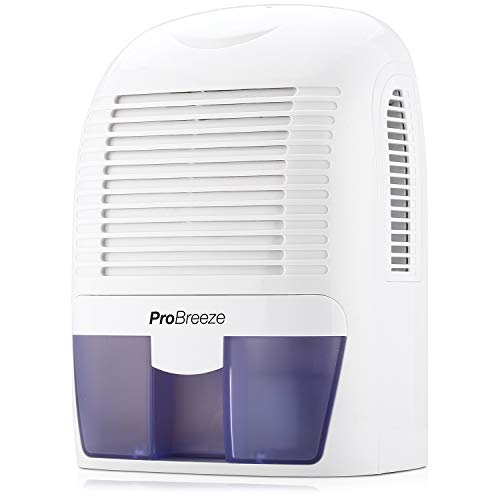
For attics that experience significant seasonal humidity spikes, a passive pack may not be enough. The Pro Breeze mini dehumidifier provides an active, corded solution that works much faster than chemical crystals.
This unit is best used in smaller attic rooms or storage closets where you keep finished projects that are sensitive to warping or mold. It effectively pulls humidity out of the air and deposits it into a removable tank.
Be mindful that this requires electricity and should be placed on a level surface. It is a more robust solution for protecting large volumes of fiber, especially in geographic regions with high humidity.
Zarpax Reusable Bags: Best for Small Containers
Sometimes, you only need to protect a small project bag or a single plastic container holding high-end hand-dyed yarn. Zarpax bags are compact, fabric-covered pouches filled with silica gel that can be reactivated in a microwave.
These are perfect for “stash-in-progress” boxes where you rotate your current projects. They are completely dry to the touch, ensuring that no chemical residue ever comes into contact with your yarn.
Because they are small and soft, they can be tucked between skeins of yarn or slipped into the pockets of a sweater. They are the most flexible option for localized protection within smaller storage containers.
How to Pick the Right Pack for Your Stash Size
Choosing the right pack depends entirely on the volume of yarn and the enclosure type. Small containers require smaller, less aggressive absorbers, while large trunks need units with higher capacity to prevent saturation.
Always consider the “tightness” of your storage. If you pack your bins tightly, moisture gets trapped between fibers, requiring a more powerful, active dehumidifier. If you have plenty of airflow, passive packs like silica or hanging bags are sufficient.
Start by calculating how many bins you have and their approximate size. It is better to use two smaller packs in opposite corners of a bin than one large one in the center, as this ensures more even moisture distribution.
Disposable vs. Rechargeable: Which Is Better?
Disposable bags are incredibly convenient for seasonal storage where you pack away items in the spring and retrieve them in the fall. They require zero maintenance during the storage period, which is ideal for “out of sight, out of mind” organization.
Rechargeable units are superior for long-term, year-round storage. While the initial investment is higher, the ability to reset the device makes it a more sustainable choice for the dedicated maker.
The trade-off is labor; you must remember to check the indicator on the rechargeable unit regularly. If you aren’t diligent about checking your stash, a disposable unit might be the safer bet to ensure the protection doesn’t lapse.
Where to Place Packs for Maximum Effectiveness
Placement is critical because moisture settles in pockets of stagnant air. Never place your dehumidifier directly touching the yarn; always use a barrier or the intended container housing to prevent any potential chemical contact with the fiber.
If you are using hanging bags, keep them away from the very edges of the attic where temperature fluctuations are most extreme. In a bin, place the absorber near the top, as moisture-heavy air tends to rise and hover in the upper portion of the container.
Finally, ensure your bins are not pushed directly against attic walls or flooring. Maintaining a small gap between the container and the structure improves airflow and significantly reduces the amount of moisture the packs need to absorb.
Signs of Humidity Damage on Yarn and Fabric
Humidity damage is not always immediately obvious, but it is devastating once it sets in. Look for a persistent, earthy, or stale smell—this is often the first indicator that mold spores are beginning to cultivate.
Visually inspect for “fuzziness” or tiny white, gray, or dark spots on the surface of the yarn. If you notice the yarn feeling “tacky” or slightly damp when you touch it, the humidity level is already dangerously high.
Finally, test the integrity of the fiber. If yarn that was once strong now snaps easily when you give it a gentle tug, the fibers have likely begun to break down due to prolonged exposure to moisture.
Protecting your fiber arts investment requires vigilance, but a combination of proper storage containers and the right dehumidification technology will ensure your yarn stays as soft and vibrant as the day you bought it. Always prioritize airflow and consistent monitoring to catch potential issues before they become permanent damage. By selecting the right tool for your specific storage scenario, you can rest easy knowing your stash is safe for years to come.