6 Best Spinning Belts For Drive Wheel Tension Explained
Struggling with machine performance? Discover the 6 best spinning belts for drive wheel tension and learn how to choose the right fit for your equipment. Read now.
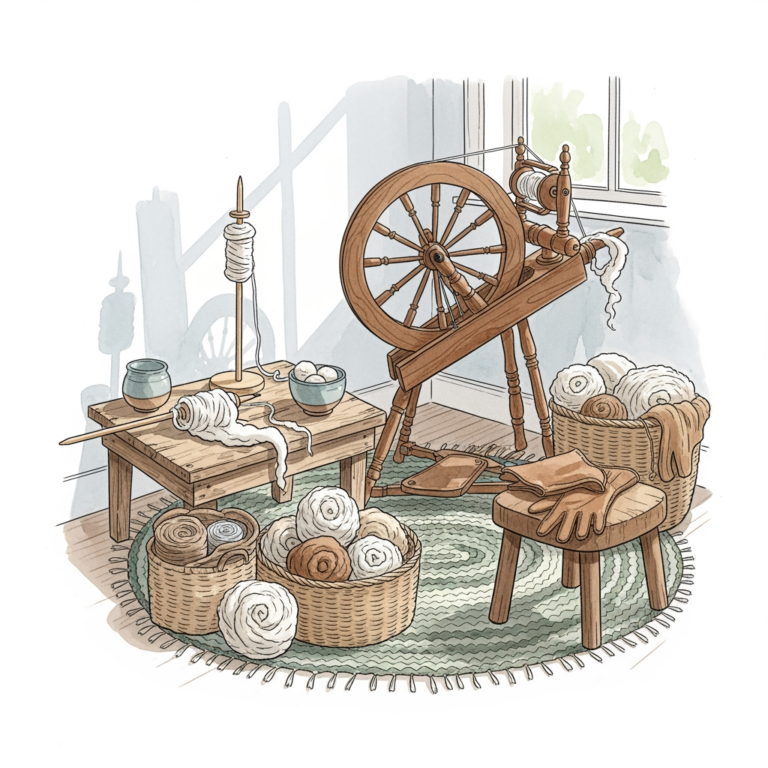
A spinning wheel is only as smooth as the tension driving its flyer, and the belt—or drive band—is the critical link in that mechanical chain. When a drive belt slips, stretches, or snaps, the rhythmic flow of spinning stops entirely, turning a productive session into a frustrating exercise in troubleshooting. Understanding how different materials interact with a wheel’s whorl is essential for maintaining consistent twist and tension. Choosing the right belt requires balancing the grip of the material against the specific mechanics of the wheel.
Schacht Poly Drive Cord: Most Versatile
The Schacht Poly Drive Cord is widely considered the gold standard for those who switch between spinning fine lace-weight yarns and bulky art yarns. Its slightly textured surface provides just enough grip to prevent slippage without creating excessive drag on the flyer shaft.
This cord is particularly effective because it handles the varied tension requirements of different spinning ratios with ease. Whether working on a Matchless or a Ladybug, the material offers a consistent, reliable pull that helps maintain even twist distribution.
Because it is a synthetic polyurethane, it does not suffer from the atmospheric moisture sensitivity that plagues natural fibers. This makes it an ideal choice for spinners living in humid climates where cotton or hemp might expand or lose their shape.
Ashford Cotton Drive Band: Best for Beginners


Cotton drive bands represent the traditional approach to spinning wheel mechanics, favored for their predictability and soft touch. For a beginner still learning to balance treadling rhythm with drafting, the natural friction of cotton provides immediate tactile feedback.
These bands are inexpensive and easily replaced, which is a major advantage when one is still mastering the mechanics of a new wheel. They offer a “forgiving” experience; if the tension is slightly off, the cotton provides a level of grip that is distinct from the slide of modern synthetics.
However, be aware that cotton has a tendency to stretch over time as the fibers settle. Beginners should be prepared to adjust their tensioning knob more frequently during the first few hours of spinning to keep the band snug.
Kromski Hemp Drive Band: Top Natural Fiber Pick
Hemp drive bands are prized by those who prefer a traditional, organic aesthetic for their heirloom-style wheels. The fibers are incredibly strong, offering a durability that often exceeds standard cotton bands while maintaining a rustic, authentic feel.
The inherent texture of hemp provides an excellent, non-slip surface that grabs the whorl firmly. This is especially useful for wheels that require high drive ratios, where a slipping belt would otherwise result in inconsistent, under-spun yarn.
While hemp is robust, it does require a bit of “breaking in” to reach optimal performance. Expect the band to be slightly stiff initially, but know that it will soften and conform to the wheel’s groove perfectly after a few sessions of heavy spinning.
Babe’s Fiber Garden Poly Belt: Budget-Friendly
Babe’s Fiber Garden offers a high-performance poly belt that proves one does not need to spend a premium to achieve a smooth spin. This belt is thin, lightweight, and surprisingly resilient, making it a favorite for those who operate multiple wheels and need an economical replacement option.
The belt is easy to knot and trim to size, allowing for a custom fit on a wide variety of wheel brands. Its low profile ensures it stays seated in the groove even during high-speed treadling, reducing the chances of the band flying off mid-draft.
While it lacks the heavy-duty longevity of some premium brands, its cost-effectiveness makes it the perfect “emergency backup” to keep in any spinning bag. Always keep a spare on hand, as even the best belts will eventually reach their limit after thousands of yards of yarn.
Paradise Fibers Leather Belt: For Vintage Wheels

Leather drive belts are the historical preference for antique wheels, providing a classic, weighted feel that synthetic materials cannot replicate. They are naturally grippy and conform precisely to the wooden grooves of older wheel designs.

Using leather is a stylistic choice as much as a functional one, as it complements the warm patina of wood. However, leather does require more maintenance than other types; it can dry out over time and may need an occasional, very light application of dressing to remain supple.
When selecting leather, ensure it is thin and flexible enough to avoid fighting the flyer’s momentum. It is the best choice for a restorer who wants to maintain the original integrity and feel of a vintage spinning tool.
Howard Brush Clear Poly Band: Most Durable
The Howard Brush clear poly band is the ultimate “set it and forget it” solution for the busy production spinner. It is exceptionally resistant to stretching, meaning the frequency of manual tension adjustments is drastically reduced compared to natural fiber bands.
Because of its high elasticity, it provides a very steady, constant tension that remains stable even during long, multi-hour spinning marathons. It is a workhorse material, designed for heavy use and high-twist projects where consistency is the absolute priority.
If you are prone to spinning long-draw or woolens that require a high degree of wheel speed control, this durability is a significant advantage. It resists the wear and tear that quickly frays or snaps softer, natural fiber bands.
How to Properly Tension Your New Drive Belt
Proper tensioning is about finding the “goldilocks zone” where the flyer turns with zero slippage but doesn’t experience so much resistance that treadling becomes exhausting. Start by setting your wheel’s tension knob to the middle of its range before securing the band.
If you find yourself having to treadle with excessive force, the belt is likely too tight; loosen it to prevent unnecessary strain on your flyer bearings. Conversely, if you notice the yarn is not taking up onto the bobbin, your belt is too loose and needs tightening to improve the drive.
Always re-check your tension after about ten minutes of active spinning. Most new belts, especially cotton and hemp, will experience a “settling” stretch that requires a final minor adjustment to finalize the fit.
Cotton vs. Polycord vs. Hemp: A Comparison
- Cotton: Soft, easy to find, natural feel, but prone to stretching and moisture sensitivity.
- Polycord: High durability, consistent tension, low maintenance, but can sometimes feel “slick” on specific wood finishes.
- Hemp: Strong, high grip, excellent for high-speed spinning, but requires a break-in period and can be harder to source.
Choosing between these comes down to how much maintenance you are willing to perform. If you want a consistent experience regardless of humidity, choose poly. If you prefer natural materials that harmonize with a wooden wheel, cotton or hemp will serve you well.
Measuring and Fitting Your Replacement Belt
To determine the correct length for a replacement, use a piece of non-stretchy string to trace the path of the drive band around the wheel and the flyer whorl. Do not pull the string taut; allow for the natural circumference of the path, then subtract about half an inch to account for the belt’s elastic potential.
When tying your own cord, a simple square knot or a surgeon’s knot is usually sufficient. Trim the excess ends closely to ensure the knot passes over the whorl without creating a “thump” in your treadling rhythm.
If the belt is slightly too long, try twisting it before putting it on the wheel to decrease the effective length. If it is too short, avoid overstretching it, as this will only lead to premature snap or damage to the wheel’s flyer assembly.
Single Drive vs. Double Drive: Which Belt?
Single drive wheels rely on a single loop that goes around the drive wheel and the flyer whorl, usually featuring a separate tensioning band for the bobbin. Because the drive band does not have to loop around the bobbin as well, you can often use a slightly thinner, more flexible cord.
Double drive wheels, however, require the belt to loop around both the flyer whorl and the bobbin simultaneously, creating two distinct drives. These systems are much more sensitive to belt length and elasticity, as the band must be perfectly sized to accommodate both tracks.
For double drive systems, stick to the manufacturer’s recommended material—usually cotton or a specific soft poly—to ensure the belt doesn’t slip in either groove. A double drive belt must remain taut to function, so choose a material that offers high stability to ensure even uptake.
Selecting the right drive belt is a small but vital adjustment that directly impacts the quality of your yarn. By choosing the material that best matches your wheel’s mechanics and your personal spinning style, you ensure a smoother, more enjoyable process from fiber to finished skein. Take the time to properly tension your band, and the wheel will reward you with effortless, rhythmic spinning.