
6 Best Interfacing For Pajama Collars For Crisp Finishes
Achieve professional, sharp results with our guide to the 6 best interfacing for pajama collars. Click here to learn how to master crisp finishes for your sets.
Achieving a crisp, professional collar on handmade pajamas requires more than just careful stitching; it demands the right structural foundation. Much like choosing the correct needle size for a delicate lace shawl, selecting the right interfacing involves balancing drape with stability. Without proper reinforcement, a collar often wilts after the first wash, losing that sharp, tailored look. These six options offer the necessary support to ensure your loungewear looks as refined as a store-bought garment.
Pellon P44F Lightweight Fusible: Best Overall


Pellon P44F stands out as the industry standard for lightweight fabrics like cotton lawn or poplin used in pajama sets. It provides a reliable, consistent bond that mimics the crispness of a high-end shirt collar without adding excessive bulk.
The material is thin enough to maintain the natural drape of lightweight fabrics while offering enough stiffness to prevent the points of a collar from curling. It is remarkably forgiving during the application process, making it a dependable choice for those who want professional results without an overly stiff finish.
This is the go-to selection for most standard cotton projects. It strikes the perfect balance between structure and comfort, ensuring the collar stays crisp through repeated laundry cycles.
HeatnBond Lightweight Iron-On: Easiest to Use
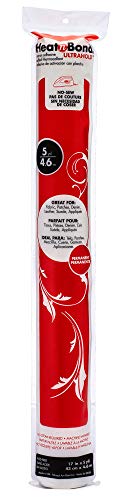
HeatnBond is favored for its rapid adhesion and smooth finish, which feels nearly invisible once fused to the fabric. It is an excellent choice for those who are new to sewing garments or for projects where speed is a priority.
The adhesive on this product activates quickly, requiring less dwell time with the iron than heavier varieties. This prevents accidental scorching of delicate pajama fabrics, which can happen if the iron is held in place for too long.
While it is exceptionally easy to handle, remember that faster bonding can sometimes lead to less permanent results if the heat is not applied evenly. Ensure the entire surface area is pressed to prevent peeling over time.
Vlieseline G700 Woven Fusible: For Natural Fibers
Vlieseline G700 is a woven interfacing, meaning it moves and breathes much like the fabric it supports. This makes it the premier choice for high-quality natural fibers like silk, linen, or high-thread-count cotton.
Unlike non-woven options that can become brittle or stiff, this woven variety maintains the integrity of the fabric’s grain. It offers a subtle, sophisticated structure that supports the collar without feeling like a layer of plastic was added inside.
It is particularly useful for pajamas made from breathable materials where maintaining air circulation is just as important as structural crispness. If the project involves premium, soft-touch fabrics, this is the superior option to avoid compromising the hand of the material.
Sullivans Sewable Lightweight: Best Sew-In Option
For those who fear the potential “bubble” of a fused interface, a sew-in option like Sullivans Lightweight provides a clean alternative. It offers structural support that is physically stitched into the collar, removing any risk of adhesive failure.
Sew-in interfacing is ideal for fabrics that are heat-sensitive or prone to showing adhesive shadow lines. Because it is caught in the seam allowance, it floats within the collar, allowing for a more fluid movement that feels very soft against the neck.
While it requires extra effort to baste into place during the construction process, the result is completely permanent. It is the best choice for delicate fabrics that might be damaged by the heat of a household iron.
Pellon SF101 Shape-Flex Cotton: The Versatile Pick

Pellon SF101 is a woven, fusible interfacing that serves as a workhorse for almost any pajama collar project. Its cotton base makes it incredibly compatible with most common pajamas, as it mimics the weight and behavior of the main fabric.
It provides more substantial support than the P44F, making it a great pick if the pajamas are made from a slightly heavier flannel or a crisp brushed cotton. It adds a professional “snap” to collar points that lightweight options might struggle to achieve.
Despite its weight, it remains surprisingly soft and flexible. Use this when the goal is a structured, sturdy collar that feels substantial rather than lightweight and ethereal.
Birch Lightweight Iron-On: Great Budget Choice
Birch offers a reliable, no-frills fusible interfacing that delivers consistent results without a premium price tag. It is an excellent option for large batches of pajamas or for those still practicing their tailoring techniques.
While it may lack the sophisticated weave of more expensive options, its performance for basic pajama collars is perfectly adequate. It adheres well to most standard quilting cottons and provides enough structure to keep the collar upright.
It is a sensible, economical choice that does not sacrifice functionality. Keep a roll on hand for everyday projects where high-end, specialized interfacing is not strictly necessary.
How to Match Interfacing to Your Pajama Fabric
Matching the weight of the interfacing to the weight of your fabric is the single most important step in the process. A general rule of thumb is to select an interfacing that is either equal to or slightly lighter than your main fabric.
- Lightweight/Silky: Use a lightweight woven fusible or a soft sew-in.
- Medium/Standard Cotton: Use P44F or SF101 for a balanced, crisp look.
- Heavyweight Flannel: Use a slightly firmer woven fusible to ensure the collar doesn’t sag.
Always test your chosen combination on a scrap of fabric first. Press it, let it cool, and then tug on it to see how the bond holds up. If the fabric feels too board-like, switch to a lighter option.
Tips for Applying Fusible Interfacing Perfectly
The secret to a perfect bond is heat, steam, and pressure. Always use a pressing cloth between the iron and the fabric to protect your pajama material from any adhesive residue.
Avoid sliding the iron across the surface, which can shift the interfacing and cause misalignment. Instead, lift and press the iron firmly in sections, holding each spot for about 10 to 15 seconds.
Allow the fabric to cool completely before moving it. The adhesive needs time to set; moving the piece while it is still warm can break the bond and lead to future separation.
Woven vs. Non-Woven Interfacing: Which to Pick
Non-woven interfacings are created by pressing fibers together, making them consistent in all directions. They are generally more affordable and offer a very flat, stable finish, which is excellent for simple cotton collars.
Woven interfacings are constructed like fabric, with warp and weft threads. They offer more natural movement and are less likely to tear or crinkle over time.
Choose non-woven for structured, sharp, modern looks on standard cottons. Choose woven when working with luxury fibers or when you want the collar to feel soft and integrated with the garment.
FAQs: Why Is My Interfacing Bubbling or Peeling?
Bubbling is almost always the result of improper application or incompatible fabric weights. If the adhesive did not melt deep enough into the fabric fibers, it will detach when washed.
Ensure the iron is set to the correct temperature for the fabric—usually “wool” or “cotton” for most fusibles. If the iron is too cool, the adhesive will sit on the surface rather than penetrating.
Additionally, avoid using excessive steam if the instructions warn against it, as too much moisture can interfere with the chemical bond of the adhesive. Always verify the manufacturer’s recommendation regarding steam settings before starting.
Properly interfacing a pajama collar is a hallmark of a thoughtful maker. By selecting a product that complements your chosen fabric and applying it with precision, you elevate a simple lounge piece into a durable, well-crafted garment. Take the time to test your combinations, and you will achieve a professional finish that stands the test of time.