
7 Best Banjo Polishing Pads For Metal Hardware
Keep your instrument looking pristine with our expert guide to the 7 best banjo polishing pads for metal hardware. Click here to choose the right gear today.
Just as a well-maintained set of carbon fiber needles ensures a smooth flow of yarn through a complex cable pattern, the hardware on a banjo requires meticulous care to perform at its peak. Maintaining metal components—whether nickel, chrome, or brass—prevents the oxidation that can eventually transfer to hands and affect the longevity of an instrument. Choosing the right polishing medium is much like choosing the right fiber for a project; one must consider the delicacy of the material and the intended final texture. Proper maintenance preserves the aesthetic charm of the instrument while ensuring that every adjustment remains fluid and secure.
Sunshine Polishing Cloth: Best Overall Value


Sunshine cloths are the industry standard for a reason, acting much like a reliable, all-purpose acrylic yarn that works for nearly every pattern. They are embedded with a mild abrasive that gently lifts surface tarnish without stripping away thin plating.
These cloths provide a consistent, non-messy shine, making them ideal for quick touch-ups between long practice sessions. Because they don’t require additional liquids, there is zero risk of residue leaking into the delicate mechanisms of the banjo rim or tension hooks.
For the banjo player who prefers a low-fuss maintenance routine, these offer the best balance of safety and efficacy. They are the equivalent of a trustworthy worsted-weight wool—dependable, versatile, and unlikely to cause accidental damage.
Cape Cod Polishing Cloths: For Heavy Tarnish
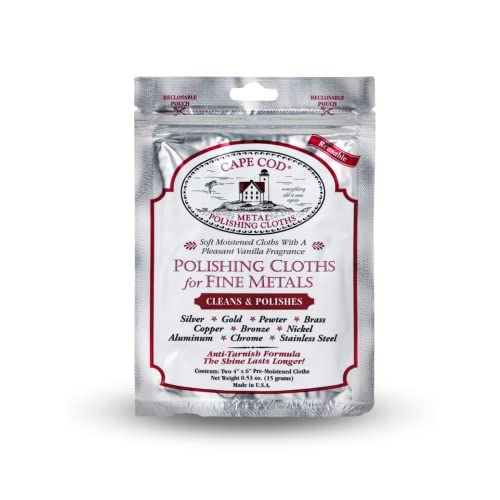
When hardware has been neglected and shows signs of deep oxidation, a more aggressive solution is required, similar to how a rustic, unspun roving requires firmer handling during the felting process. Cape Cod cloths come pre-moistened with a specialized formula that cuts through stubborn grime and heavy tarnish.
These cloths are exceptionally effective on solid brass or nickel parts that have lost their luster over years of storage. However, use caution; they are quite potent and can be too harsh for thin, decorative plating that has already begun to flake.
Think of these as the heavy-duty option for restoring vintage components. If the hardware looks as dull as a tangled mohair project, this is the tool to bring back the shine.
Simichrome Polish: Best for Delicate Plating
Simichrome is a classic paste polish that works with surgical precision, ideal for intricate parts that require a light touch. It is highly concentrated, meaning a tiny drop—no larger than a pinhead—goes a long way, much like managing a precious skein of silk-mohair blend.
This polish is prized for its ability to restore brilliance to vintage instruments without leaving behind a gritty, abrasive film. It is particularly gentle on thin, vintage-style plating that could easily be ruined by more abrasive buffing compounds.
When working with fragile, aged hardware, restraint is the key to success. A little goes a long way, and applying it sparingly ensures the metal stays brilliant without damaging the underlying finish.
BlueMagic Metal Polish Cream: Best Non-Toxic
Safety and ease of handling are paramount when working in a home studio, especially when managing materials that come into direct contact with the skin. BlueMagic provides a high-luster finish while remaining relatively mild, making it a favorite for those who prefer to avoid harsh chemical fumes.
This cream creates a protective film that helps repel future moisture, acting as a sealant against the oils found on human fingers. It is an excellent choice for players who live in humid climates and find that their metal parts tarnish faster than usual.
Much like choosing a superwash wool that stands up to frequent handling, this polish creates a durable barrier. It offers a professional-grade finish that respects the health of the user and the integrity of the instrument.
Flitz Metal Polish & Buff Ball: The Best Kit

Sometimes the most effective approach is to use a mechanical advantage, just as using a circular needle for a large circumference project is more efficient than straight needles. The Flitz kit includes a specialized buffing ball that attaches to a standard drill, making short work of large surface areas like a banjo’s flange or tailpiece.
The included paste is non-abrasive, which minimizes the risk of scratching while the buffing ball does the heavy lifting. This system is perfect for restoring hardware that has been significantly dulled by long-term exposure to stage lights and perspiration.
While effective, this method requires a steady hand and a controlled speed to avoid overheating the metal. Used correctly, it provides the most uniform, mirror-like finish possible for an instrument that spends a lot of time on stage.
Weiman Metal Polish: Best for a Quick Shine
For the musician who needs to tidy up the instrument before a performance, Weiman offers a fast-acting, liquid-based solution that is easy to wipe on and buff off. It is less about deep restoration and more about maintaining a clean, professional aesthetic during a busy touring season.
This polish is thin and easy to distribute, ensuring that no excess liquid pools around the tension nuts or screws. It is the polishing equivalent of a quick steam block—it doesn’t fundamentally change the structure of the piece, but it makes everything look crisp and well-tended.
If time is of the essence, this product provides an instant boost in shine with minimal labor. It is a practical tool for keeping the instrument looking sharp with minimal disruption to the practice schedule.
Microfiber Detail Cloths: Top Budget Option
Never underestimate the power of a clean, high-quality microfiber cloth, which serves the same function as a lint-free blocking cloth in the fiber arts. Often, hardware doesn’t need chemical intervention; it simply needs the dust and natural skin oils buffed away.
These cloths are excellent for daily maintenance, preventing the buildup of grime that necessitates harsher polishing later. They are soft enough to avoid creating micro-scratches, which are the enemy of high-gloss chrome finishes.
By keeping a dedicated microfiber cloth in the instrument case, you can perform a quick wipe-down after every playing session. This simple habit keeps the hardware pristine and significantly extends the time between major deep-cleaning sessions.
Choosing the Right Polish for Your Hardware
Selecting a polish requires identifying the type of metal you are cleaning. Solid brass, for instance, requires a polish specifically formulated to remove oxidation, whereas thin, chrome-plated parts require gentler, non-abrasive substances.
- For thin, modern plating: Use only gentle creams or pre-moistened cloths to avoid wearing down the metal layer.
- For solid brass or copper: Stronger paste polishes are often necessary to cut through heavy tarnish.
- For high-gloss chrome: Focus on microfiber buffing to maintain the finish without creating swirl marks.
Always test a small, inconspicuous area—like the underside of the tailpiece—before tackling the entire banjo. If the cloth picks up a significant amount of the metal’s color, stop immediately; you are likely removing the plating rather than cleaning it.
Polishing Technique: Plated vs. Solid Metal
Polishing techniques should change based on the material’s durability. Solid metal can withstand a bit of elbow grease and circular motion, but plated metal requires a lighter, linear technique to avoid “burning” through the outer layer.
When polishing around screws or tight hardware, wrap the cloth around a small, soft tool—like a wooden dowel or an artist’s brush handle—to reach into crevices without scratching surrounding areas. This is identical to using a tiny crochet hook to pick up a dropped stitch in a delicate lace pattern.
Avoid letting polish dry completely on the surface, as it can become difficult to remove and may leave a hazy residue. Buff the surface while the product is still slightly tacky to achieve the best clarity and shine.
Avoiding Common Mistakes in Metal Polishing
The most common error is being too heavy-handed with abrasive polishes. Just as over-washing a delicate wool garment can felt the fibers beyond repair, using an overly abrasive polish can strip the protective finish off of hardware, leaving it permanently vulnerable to rust.
Another mistake is introducing excess moisture or chemical polish into the wood of the banjo rim. Always apply the polish to the cloth first, rather than applying it directly to the metal parts on the instrument.
Finally, remember that the goal is maintenance, not transformation. If the hardware is severely pitted or corroded, professional replacement is often the better route than trying to polish away deep metal fatigue.
Regular, thoughtful care of banjo hardware is as essential to the instrument as maintaining proper tension and humidity is to the sound quality of a fine stringed instrument. By selecting the correct polishing medium for the specific metal finish and applying it with patience, one ensures that the banjo remains a source of beauty and musical expression for many years to come.