6 Best Paper Stack Dividers For Color Coding Supplies
Organize your workspace efficiently with our top 6 paper stack dividers for color coding supplies. Read our expert review and find your perfect set today.
Managing a collection of knitting patterns, yarn swatches, and technical notes requires more than just a drawer; it demands a systematic approach to filing. When hundreds of printed patterns and fiber records accumulate, visual chaos often leads to abandoned projects and lost inspiration. Implementing a reliable color-coded organization system transforms a cluttered workspace into a professional-grade studio. These six paper stack dividers offer the structure necessary to maintain a clear, accessible library of your most cherished designs.
Avery Big Tab Plastic Dividers: For Pattern Binders


The oversized tabs on these dividers make navigating through bulky pattern binders seamless. When juggling multiple projects, the ability to flip instantly to a lace shawl pattern or a sweater schematic is invaluable.
The reinforced holes ensure these dividers don’t tear out when flipping through heavy cardstock prints or swatches taped to pattern pages. Plastic construction allows for a quick wipe-down if yarn oils or dust accumulate on the shelf.
These are best for those who keep their entire pattern library in one massive ring binder. If you prefer to categorize by garment type or yarn weight, these provide the visibility needed for a quick reference.
Smead Poly Dividers with Pockets: Most Durable Pick
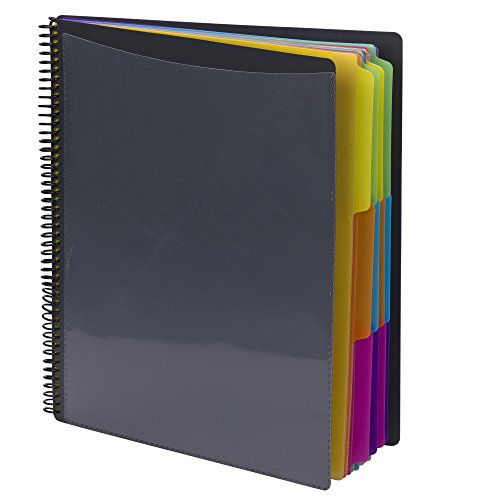
Durability is the primary benefit of poly construction, especially in a home environment where scissors, needles, and stitch markers are constantly in motion. These dividers feature integrated pockets, providing a home for those loose pattern addendums or extra stitch charts that usually end up folded and misplaced.
Poly material resists fraying and bending far better than standard paper stock. This is critical for patterns that are handled daily while working through complex cable repeats or intricate colorwork charts.
Consider these the heavy-duty option for high-traffic reference materials. If a pattern is a “forever” project, keeping it behind a pocket divider ensures the paperwork stays as crisp as the finished garment.
Kokuyo Pastel Cookie Binder Dividers: Best Aesthetic
Organization should be an extension of the creative process, and these pastel dividers bring a refined, calm sensibility to a busy stash room. The aesthetic appeal of a well-organized binder can reduce the stress often associated with managing large, multi-part projects.
The material is thin yet resilient, ensuring it doesn’t add unnecessary bulk to an already thick binder filled with pattern swatches. These are ideal for organizing by collection, such as grouping all sock-weight yarn projects separately from bulky wool accessories.
While they may lack the industrial-grade weight of poly, they offer a sophisticated way to index a refined, curated pattern library. Use them when the visual experience of selecting your next project is as important as the knitting itself.
Amazon Basics 8-Tab Plastic Dividers: Top Budget Pick
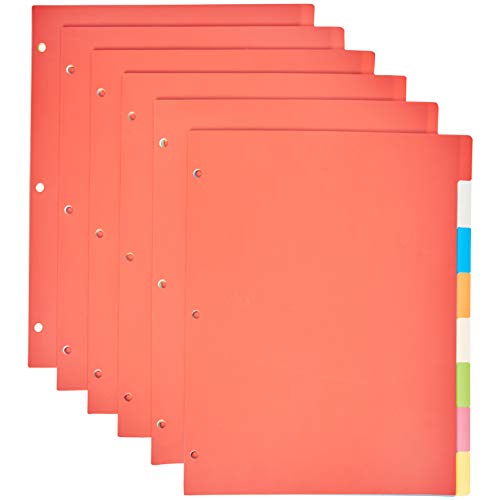
For the knitter just starting to digitize or organize a physical collection, these provide the essential structure without a significant investment. They are functional, clear, and perfectly suited for creating a standard index of yarn brands or needle sizes.
The tabs are large enough to label with a marker, though they lack the professional finish of insertable systems. They are best utilized in projects where you need to separate many small categories quickly and cheaply.
If the goal is to organize a massive influx of printed free patterns from the internet, these are the most efficient way to get everything into order. Efficiency often beats luxury when dealing with large volumes of paperwork.
Lihit Lab A5 Dividers: Best for Project Planners
Many knitters keep a small, portable A5 planner to track gauge, yardage, and project timelines. These dividers are specifically sized for smaller formats, making them perfect for on-the-go pattern notes.
A5 sizing allows the binder to fit easily into a project bag alongside circular needles and a few skeins of yarn. This keeps your essential project notes within reach during travel or while visiting a local yarn shop to match colors.
Small-format organization encourages more frequent updates to your project logs. Use these to separate “Planned,” “In Progress,” and “Completed” lists for a tidy, manageable workflow.
C-Line Write-On Tab Dividers: Easiest to Customize
The ability to write directly on the tab with a permanent marker makes these the most flexible option for rapidly changing categories. As a knitting collection grows, the categories for yarn types or fiber contents might shift, and these tabs adapt instantly.
These are essentially foolproof for organizing by specific fiber properties like “Superwash Wool,” “Alpaca Blends,” or “Plant Fibers.” The simplicity of the write-on surface prevents the frustration of fumbling with tiny, sticky paper inserts.
If your organizational strategy is fluid and changes as your interest in different fiber arts evolves, this is the most practical choice. It eliminates the friction of maintaining complex labels, allowing more time to be spent with needles in hand.
How to Choose the Right Dividers for Your Craft
Selecting the right divider comes down to the volume and weight of your documentation. If your patterns are printed on heavy cardstock or accompanied by yarn samples, opt for thick poly dividers with reinforced edges.
Think about how you store your patterns: upright on a shelf or flat in a drawer. Upright binders require rigid dividers to prevent the pages from curling or sagging over time.
Finally, consider the labeling system. If you change your project categories often, prioritize write-on surfaces over insertable tabs to save time and reduce the need for extra office supplies.
Why Color Coding Your Supplies Actually Works
Color coding provides a visual shorthand that allows the brain to locate information faster than reading text labels. By assigning a color to a specific yarn weight—such as yellow for fingering, blue for worsted, and red for bulky—you can identify which section a project belongs to at a glance.
This system is particularly helpful when searching for pattern inspiration during the initial “stash-busting” phase. Seeing a specific color tab can instantly trigger the memory of a yarn weight or a particular project goal.
Over time, this color association becomes instinctual, making the process of finding your materials as smooth as the transition between knit and purl stitches. It turns a chore of organization into a streamlined, intuitive part of the craft.
Labeling Systems for Your Craft Supply Dividers
Clear, consistent labeling is the backbone of any organized studio. Use a label maker for a clean, permanent look, or use a fine-point permanent marker if you prefer a more handwritten, tactile aesthetic.
For advanced organization, consider a dual-labeling approach on your tabs. Write the category name on one side and a short reference code or yarn weight on the other to maximize the information available at a glance.
Whatever method you choose, consistency is the key to success. Ensure the same category is always represented by the same color and label style to keep your system readable months or even years down the road.
Organizing Your Knitting Patterns: A Simple Method
Start by sorting your paper patterns into three primary piles: current projects, queued designs, and historical references. Use the divider tabs to create clear boundaries between these states of your work.
Within the “queued” section, categorize further by yarn weight or garment type. This prevents the common issue of losing a pattern for a specific set of skeins that are sitting in your stash, waiting for the perfect design.
A well-organized pattern binder is a living document that grows with your experience. Take the time to clear out outdated or discarded ideas periodically, keeping the library lean, relevant, and inspiring for every new cast-on.
Establishing a structured organizational system is not merely an act of cleaning; it is a vital part of protecting your creative process. When your patterns and yarn information are readily accessible, you eliminate the mental friction that prevents you from starting that next project. Choose your dividers based on the reality of your workflow, maintain your labels with consistency, and watch as your productivity reaches new, beautiful heights.