6 Best Lumbar Pillows For Sewing Posture To Try
Improve your sewing posture with our top 6 lumbar pillows. Discover the best ergonomic support to stay comfortable while you create. Shop our top picks today.
Long hours spent hunched over complex colorwork or intricate lace charts often result in nagging lower back fatigue that distracts from the rhythm of the needles. Maintaining an ergonomic sewing or knitting station is just as critical as choosing the right wool for a sweater, as poor posture inevitably leads to tension in the shoulders and wrists. A well-placed lumbar pillow acts as a structural foundation, keeping the spine in a neutral position while the hands remain busy. Selecting the right support can transform a marathon session of brioche knitting from a painful chore into a comfortable, productive flow.
LoveHome Memory Foam: Best Overall Support


The LoveHome model excels because it provides a rigid yet contoured structure that mimics the natural curvature of the spine. When working on large-scale projects like heavy blankets or long-row sweaters, the body tends to lean forward, putting immense strain on the lower vertebrae.
This pillow forces the pelvis into a neutral alignment, which prevents that rounded-shoulder slump often seen in dedicated makers. It is particularly effective for those using floor-standing looms or heavy knitting chairs where fixed backs lack depth.
The density of the foam is the standout feature here, offering enough resistance to prevent sinking. If the goal is consistent support that does not lose its shape after an hour of intensive work, this serves as the gold standard.
Everlasting Comfort: Top Pick for Long Sessions
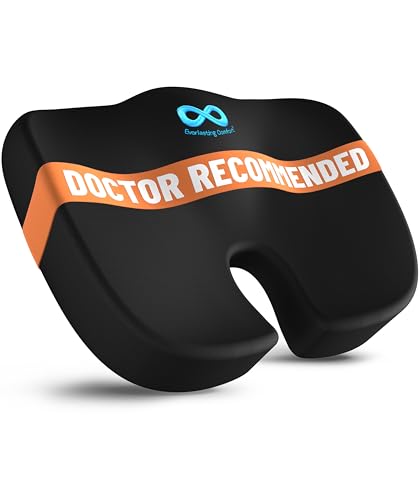
Long knitting sessions demand a cushion that balances support with heat management. This model features a gel-infused memory foam that prevents the heat buildup commonly associated with standard foam materials.
When knitting with high-moisture-wicking fibers like silk or bamboo, the last thing needed is a chair that retains body heat and creates an uncomfortable working environment. The gel layer acts as a subtle climate control, ensuring focus remains on the stitch count rather than physical discomfort.
This pillow is an excellent choice for those tackling complex, time-consuming cables that require hours of uninterrupted focus. It offers a slightly softer initial feel than the LoveHome model, providing a cushioned embrace without sacrificing structural integrity.
Cushion Lab Back Relief: Best for Back Pain

The Cushion Lab pillow uses a unique, proprietary foam design specifically engineered to relieve pressure points along the lumbar spine. For knitters dealing with pre-existing back sensitivity, this focus on ergonomics is a game-changer.
Its design encourages an upright posture, which is vital for maintaining proper tension when working with delicate lace weight yarns or slippery synthetic fibers. By alleviating pressure on the lumbar discs, it allows the upper body to stay relaxed, reducing the risk of hand and wrist strain.
While it carries a premium price, the therapeutic value makes it a worthy investment for those who experience chronic discomfort. It essentially resets the body’s alignment, allowing for longer, pain-free sessions at the craft table.
Samsonite SA5243: Most Portable for Craft Groups

Portability is essential for those who frequently attend knitting guilds, craft retreats, or local meetups where chair quality is often unpredictable. The Samsonite lumbar support is slim, lightweight, and easy to toss into a project bag or tote.
Its streamlined profile ensures it doesn’t take up too much room, even when sharing a table with yarn bowls, pattern charts, and multiple project bags. Despite its compact nature, it provides firm, reliable support that is far superior to sitting against an unpadded wooden chair.
It is ideal for the maker who travels light but refuses to compromise on ergonomic standards. Using this in unfamiliar environments ensures a consistent, healthy posture regardless of the available seating.
Coop Home Goods Pillow: Best Breathable Option

The Coop Home Goods pillow stands out by using a shredded memory foam fill that allows for superior airflow. This is a critical advantage for those working in warmer studios or with heavy, insulating wool yarns that can quickly make a workspace feel sweltering.
Unlike solid foam, the shredded construction can be adjusted slightly, allowing the user to push the filling toward the sides or center to customize the support profile. It conforms to the body in a way that feels organic and less rigid than a standard bolster.
This breathability is a major benefit for those prone to overheating during intense, fast-paced knitting. It effectively minimizes the sweat and discomfort that often cut a productive crafting session short.
The McKenzie Lumbar Roll: PT-Recommended Pick

For those who prefer a minimalist, evidence-based approach, the McKenzie Lumbar Roll is often the primary recommendation from physical therapists. It is essentially a firm, cylindrical roll designed to restore the natural lordotic curve of the lower back.
It is incredibly effective at preventing the slouching that inevitably leads to neck and shoulder tension while knitting or sewing. Because it is small and precise, it encourages a specific, active posture rather than letting the body lounge into the chair.
It may take some time to get used to the firmness, but the long-term benefits for spinal health are substantial. It is the perfect tool for makers who want to “train” their body to sit correctly during long, repetitive projects.
How to Choose a Pillow for Your Sewing Chair
Selecting a pillow starts with evaluating the depth and angle of the current chair. A deep, overstuffed armchair may require a thicker, firmer lumbar cushion to bridge the gap, while a flatter dining-style chair only needs a modest, supportive roll.
- Firmness: Look for high-density foam if the chair is soft and prone to sagging.
- Size: Ensure the pillow is wide enough to cover the lumbar region without feeling intrusive.
- Adjustability: Straps are essential to keep the pillow from sliding down every time the body shifts.
Consider the nature of the project as well. Intricate needlework requires a more upright, stable position, while casual, repetitive knitting might allow for a softer, more forgiving cushion.
Memory Foam vs. Other Fills: What to Know
Memory foam is the industry standard for a reason: it reacts to body heat and weight to create a customized fit. This is ideal for long-term consistency, though it can trap heat, which is a significant factor in warm environments.
Fiber-fill or “down alternative” pillows are softer and more breathable, but they often lose their loft and support quickly. They tend to compress under weight, meaning the support will fail exactly when it is needed most at the end of a long afternoon.
If the priority is rigid, long-term spinal support, stick with high-quality memory foam. For those who prioritize airflow and a softer feel, look for hybrid options that combine structured foam cores with breathable, outer shell layers.
Proper Pillow Placement for Sewing Posture
The pillow should be positioned in the small of the back, right above the belt line. If placed too high, it pushes the mid-back forward and encourages a hunched posture; if too low, it fails to support the natural curve of the lumbar spine.
- Verticality: Ensure the pillow supports the curve just above the hips.
- Stability: Use elastic straps to anchor the pillow to the backrest so it stays put.
- Balance: The shoulders should remain stacked over the hips, with the head balanced neutrally.
Periodically check the position throughout the day. When focus shifts to a complicated chart or a tricky stitch pattern, it is natural to lean forward; resetting the pillow ensures the spine remains protected during those moments of high concentration.
Cleaning and Caring For Your Lumbar Pillow
Most lumbar pillows come with removable, machine-washable covers, which are essential for any craft room. Dust, fiber shed, and occasional stray drops of coffee or dye are inevitable, so verify that the cover is easy to launder.
Memory foam itself should never be submerged in water, as it acts like a sponge and will lose its structural integrity. If the foam needs cleaning, spot-treat it with a gentle, damp cloth and a mild soap, then allow it to air dry completely away from direct sunlight.
Regularly vacuuming the cover will keep it free from fiber dust and pet hair, especially in homes where natural wool is frequently handled. Treating the pillow with the same care as a finished hand-knit garment will ensure years of reliable, comfortable support.
Equipping a sewing or knitting station with the right lumbar support is a proactive step toward preserving health and extending the longevity of one’s crafting practice. By matching the pillow’s features to specific posture needs and environmental conditions, you can ensure that physical comfort never stands in the way of creative progress.