6 Best Rug Looms For Traditional Weaving To Consider
Discover the 6 best rug looms for traditional weaving to start your next project. Compare top models and choose the perfect equipment for your craft today.
Weaving a rug requires a specialized set of tools that can handle high tension and heavy materials, unlike the delicate gear used for knitting lace or fingering weight garments. Selecting the right loom is the most critical step in transitioning from fiber enthusiast to rug weaver. A rug loom must possess structural integrity and precise tensioning capabilities to withstand the mechanical demands of thick, durable textiles. This guide evaluates six industry-standard looms to help align your equipment choice with your specific production goals.
Schacht Wolf Pup LT Loom: Best Portable Pick
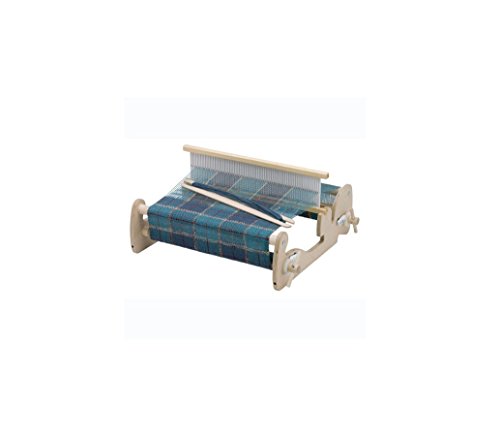

The Wolf Pup LT is a four-shaft jack loom designed for weavers who lack a dedicated studio space but refuse to compromise on build quality. Its standout feature is the clever folding mechanism, allowing the loom to be stored in tight corners without requiring the user to completely remove the warp.
This loom excels because of its sturdy X-frame design, which provides the necessary stability to beat the weft—the horizontal yarn—firmly into place. Rug weaving is physically demanding, and a flimsy frame will result in uneven edges and loose tension. The Wolf Pup manages to keep the footprint small while maintaining the structural rigidity required for tapestry or heavy weave structures.
Be aware that portability often comes at the cost of working width. This loom is best suited for runners, small floor rugs, or wall hangings rather than full-room carpeting. If the project requires a width exceeding 18 inches, look elsewhere, as the frame is engineered specifically for narrow, concentrated tension.
LeClerc Nilus II Floor Loom: Heirloom Quality

The LeClerc Nilus II is a workhorse that represents the gold standard for traditional counter-balanced floor looms. Built from hard maple, this loom is designed to be passed down through generations, serving as a reliable foundation for any serious rug weaver.
The primary advantage of the Nilus II is its generous shed, which is the V-shaped opening created by separating warp threads to pass the shuttle through. In rug weaving, using heavy, coarse wool or recycled textile strips requires a large shed to avoid snagging threads. This loom provides ample space, ensuring that even thick, hand-spun rug yarn travels smoothly across the warp.
Because this is a larger, heavier piece of equipment, it is not meant to be moved once it is set up. Ensure the chosen location offers enough clearance around the loom for the back-and-forth movement required during the weaving process. It is the ideal choice for those committed to high-volume production or intricate, multi-shaft patterns.
Mirrix Lani Loom: Best for Tapestry Rugs
Tapestry weaving requires a different approach than standard pattern weaving, focusing on vertical tension and detail-oriented design. The Mirrix Lani is a specialized tool that excels at maintaining the extreme tension required for fine, dense tapestry-style rugs.
The Lani uses a unique shedding device that makes it significantly faster than a traditional frame loom. While many looms prioritize floor space, the Mirrix prioritizes the integrity of the warp. When weaving a rug that will eventually be walked upon, the warp density must be high and the tension must be absolute; this loom makes achieving that level of firmness effortless.
This is a tabletop unit, meaning it lacks the ergonomic advantages of a full-sized floor loom. Weaving large-format pieces on the Lani can be hard on the back and shoulders over long sessions. Use this for smaller accent rugs, detailed pictorial wall hangings, or as a secondary loom for experimental colorwork.
Beka SG Series Rigid Heddle Loom: Budget Buy
The Beka SG series is the quintessential entry point for those dipping a toe into the world of rug making. These looms use a rigid heddle—a single piece of equipment that serves as both the beater and the shed-making device—simplifying the learning curve significantly.
Rigid heddle looms are perfect for beginners who want to see quick results without the mechanical complexity of shafts and treadles. While they cannot produce the complex structural patterns of a floor loom, they are perfectly capable of creating beautiful, thick rugs using chunky wools or cotton rags. The simplicity allows the weaver to focus on color and texture rather than the mechanics of the machine.
The tradeoff here is limited shed height and lower maximum tension. If you try to push the tension too high, the frame may flex, leading to uneven selvedges. Reserve this loom for projects using softer, more forgiving yarns, and accept that it is an introductory tool rather than a final destination for professional rug production.
Glimåkra Ideal Loom: A Compact Floor Loom
Glimåkra is synonymous with Swedish weaving heritage, and the Ideal model brings that legacy into smaller, modern homes. As a countermarche loom, it offers a sophisticated system that pulls warp threads both up and down, creating a crisp, clean shed that is perfect for professional-grade rug weaving.
The beauty of the Ideal lies in its efficiency. It occupies less space than massive industrial looms, yet it provides the heavy-duty beating power required for traditional wool rugs. This is the loom for a weaver who wants to create textiles with deep, complex structures that would be impossible on a simpler rigid heddle machine.
Setting up a countermarche loom is significantly more time-consuming than setting up a jack or rigid heddle loom. Expect a steeper learning curve regarding the tie-ups and the mechanics of the tension system. This loom rewards patience and precision with a finished product that has unmatched professional quality and longevity.
Harrisville Designs Model A/4: For Beginners
Harrisville Designs produces looms in the heart of the American textile region, and the Model A/4 is tailored specifically to those beginning their floor loom journey. It is a sturdy, four-shaft jack loom that feels substantial without being overwhelming.
The A/4 is praised for its simplicity and the “feel” of the treadles. When weaving rugs, the rhythm of pressing the treadles is the heartbeat of the project; a loom with smooth, predictable action helps keep the work consistent. This model is exceptionally well-documented, with resources available to help novices navigate their first warp.
While it is a beginner loom, it is not a “starter” tool that you will quickly outgrow. With the right maintenance and care, the Model A/4 can handle years of daily use. It provides enough functionality to experiment with various rug techniques before deciding if a more specialized or larger-scale loom is necessary.
Floor Loom vs. Rigid Heddle: Which Is Best?
Choosing between a floor loom and a rigid heddle loom boils down to your structural goals. A floor loom offers multi-shaft capabilities, allowing for intricate patterns like twill or overshot, and provides the heavy beat necessary for long-lasting, tightly packed wool rugs. It is a permanent studio fixture that demands significant physical space and a longer setup time.
A rigid heddle loom is the master of efficiency and speed for simple weaves. It is ideal for plain weave, “log cabin” effects, and rag rugs where the texture comes from the yarn itself rather than the interlacement. If you value versatility and ease of use over complex structural patterns, the rigid heddle is likely sufficient.
However, recognize that rug weaving relies on high tension to prevent the finished piece from warping or curling. Floor looms are generally designed to withstand much higher warp tension than rigid heddle looms. If the goal is a rug that will withstand high-traffic areas, the structural stability of a floor loom is almost always superior.
Key Features to Look for in a Good Rug Loom
When evaluating a rug loom, do not be swayed by aesthetics or extra compartments for shuttles. Focus on the mechanics that directly impact the longevity of the rug.
- Beater Weight: A heavy beater is essential for packing the weft tightly, which is the hallmark of a high-quality handwoven rug.
- Warp Tensioning System: Look for a high-quality ratchet or brake system that allows for micro-adjustments; if the tension slips mid-project, the rug will be permanently flawed.
- Shed Size: The opening must be wide enough to pass a bulky rug shuttle through without catching on the warp ends.
- Frame Stability: The loom should not wobble or rack when you apply force to the beater.
- Material: Hardwoods like maple or cherry are preferred because they resist warping over time compared to softer woods or metal components.
Warping Your Loom: A Quick Start Guide
Warping is the process of setting up the vertical threads that form the skeleton of the rug. For rugs, always choose a warp yarn that is significantly stronger than the weft—cotton seine twine is the industry standard for its high tensile strength and lack of stretch.
Begin by measuring your warp length, accounting for loom waste, which is the yarn that cannot be woven because it remains trapped in the mechanics of the loom. Use a warping board or mill to ensure every thread is of identical length; uneven tension during this stage is the most common cause of “drawing in,” where the rug becomes hourglass-shaped.
Once the warp is wound, you must “beam” it onto the back of the loom, keeping it under constant, even tension. Many weavers find that using lease sticks and paper or cardboard dividers between layers prevents the threads from tangling. Take your time here; a well-warped loom makes the actual weaving process flow smoothly, whereas a poorly warped loom will cause frustration for every inch of the project.
Best Yarn Types for Weaving Durable Rugs
The durability of a rug is entirely dependent on the fibers chosen. Natural fibers are generally preferred for their resilience, though they must be selected with the rug’s location in mind.
- Wool: The gold standard for rugs, especially dense, long-staple varieties like Corriedale or wool blends. It is naturally stain-resistant and springy.
- Cotton: Ideal for rag rugs and kitchen mats. It is easy to wash, holds dye well, and provides a sturdy, non-slip surface.
- Linen: Extremely durable and adds a crisp, professional look to the finished piece, though it is less elastic than wool.
- Synthetic Strips: If using recycled textiles, ensure they are 100% cotton or wool. Avoid cheap polyester, as it tends to pill and lose shape under the pressure of foot traffic.
Avoid using novelty yarns with excessive halo or weak structure, as they will degrade rapidly when stepped on. Always test the “hand” of your yarn by weaving a small sample—often called a gamp or swatch—and washing it to see how the fibers react to moisture and tension before committing to a full rug.
Selecting the right rug loom is a balance between your available space, the complexity of the patterns you wish to create, and the sheer physical durability of the final textile. Whether you choose the portable efficiency of the Wolf Pup or the heritage-grade construction of the Nilus II, the key is to prioritize a sturdy frame and reliable tension. By understanding the mechanical requirements of rug weaving, you ensure that your investment will support your craft for many years to come.