6 Best Steaming Irons For Gown Maintenance To Own
Keep your formal wear in pristine condition with our expert guide to the 6 best steaming irons for gown maintenance. Choose the perfect model for your wardrobe.
Maintaining a gown or an intricate fiber-based garment requires the same precision as blocking a delicate lace shawl. While many fiber artists focus solely on the needles and yarn, the finishing process—specifically the use of steam—is what truly defines the final silhouette. A high-quality iron acts as the final arbiter of drape, smoothing stubborn creases and relaxing fibers without compromising structural integrity. Choosing the right tool ensures that hard work on the needles or sewing machine remains pristine for years to come.
Rowenta DW5080 Focus: The Professional’s Choice


The Rowenta DW5080 Focus stands out for its consistent heat distribution and heavy-duty steam output. In the world of fiber care, this is the equivalent of a heavy, well-calibrated circular needle that never lets a stitch slip. It excels at managing the weight of heavy, structured fabrics.
Its stainless steel soleplate is designed with hundreds of micro-steam holes, ensuring that moisture penetrates fibers evenly. This is crucial when blocking dense, non-superwash wool or thick linen blends that resist traditional pressing. The precision tip allows for navigating tight pleats or intricate bodice seams where bulk can easily ruin a garment’s drape.
The primary tradeoff is its weight; it is a substantial tool that requires steady hands. However, for the user who demands professional-level flattening and crisp edges, this heft is a functional advantage. It minimizes the need for extra pressure, letting the steam do the heavy lifting.
Oliso TG1600 ProPlus: The Smart, Scorch-Proof Iron

The Oliso TG1600 ProPlus is renowned for its proprietary iTouch technology, which lifts the iron automatically when the handle is released. This feature is a game-changer for those who find the constant flipping of an iron to be tedious or risky. It effectively eliminates the danger of leaving a hot plate face-down on expensive silk or delicate lace.
This iron is particularly suited for high-stakes projects where concentration is split between the fabric and the pattern. By removing the need to lift and tilt the iron onto its heel, it preserves both the fabric’s finish and the iron’s longevity. It reduces physical strain, making it an excellent choice for long sessions of garment finishing.
While the convenience is unmatched, the electronic components mean it requires a bit more care during storage. Always ensure it is fully cooled before tucking it away in a sewing cabinet. It is a premium investment for those who value safety features as much as raw performance.
CHI Steam Iron 13106: Best for Gliding on Delicates

The CHI brand brings its ceramic technology from hair tools to garment care, and the result is a remarkably smooth gliding surface. If the goal is to protect delicate fibers from snagging or dragging, this soleplate is the industry standard. It is ideal for rayon, silk, and synthetic blends that melt easily under high heat.
The iron features titanium-infused ceramic, which creates a non-stick surface that feels nearly frictionless against most fibers. When pressing open seams on a delicate silk gown, this reduced resistance prevents the stretching and pulling that often distorts garment shape. It allows for a light, controlled touch that is vital when working with fragile materials.
Because it glides so easily, it is essential to maintain a steady, gentle speed. Users who are accustomed to heavy-duty, industrial-style irons may find this tool feels almost too light. It performs best when allowed to glide gently rather than being pushed with force.
Sunbeam Steammaster: High Performance on a Budget
The Sunbeam Steammaster is a workhorse that proves expensive equipment is not always necessary for quality results. It offers a generous shot-of-steam feature and a large water reservoir, making it perfect for long, uninterrupted sessions of steaming. It is a pragmatic choice for those who want solid performance without the bells and whistles.
This iron is particularly effective at generating steam quickly, which is critical when working with natural fibers like cotton or wool that require moisture to “relax” into their final position. Its vertical steam capability is also sufficient for freshening a gown on a hanger. It lacks some of the advanced safety features of high-end models, so mindfulness is required during use.
The build quality is functional, though perhaps less durable than professional-grade alternatives over a decade of heavy use. It remains the best value proposition for someone who needs to maintain a wardrobe of varied fabrics without overextending their budget. It is a reliable, straightforward tool that serves its purpose well.
BLACK+DECKER Allure D3030: Max Steam for Tough Wrinkles
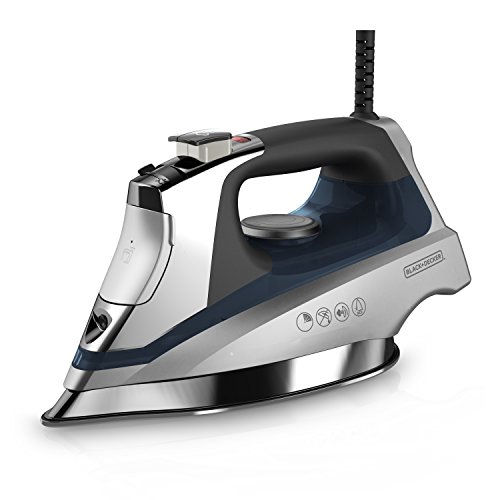
The Allure D3030 is designed to pump out high volumes of steam, which is the most effective way to eliminate stubborn wrinkles in dense fabrics. For heavy crepes or thick, layered gowns that require deep penetration to achieve a smooth finish, this iron excels. Its steam output is consistently strong, reducing the number of passes needed to achieve a flat surface.
The digital temperature control is a standout feature, allowing for precise adjustments based on the specific yarn or fabric content. When dealing with blended fibers, having an exact heat setting prevents the accidental scorching of synthetic components while still effectively steaming the natural ones. It removes the guesswork that often leads to ruined fabric.
One minor tradeoff is the steam vent layout, which can sometimes be aggressive on very thin, sheer fabrics if the steam button is held too long. Use a burst of steam rather than continuous output to maintain better control. It is an excellent choice for those who prioritize raw steam power over delicate, light-touch features.
Panasonic NI-WL600: The Best Cordless Steam Iron
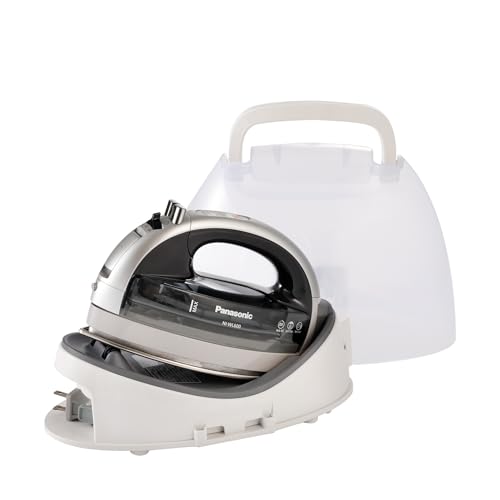
The Panasonic NI-WL600 solves the most frustrating problem in garment care: the cord that constantly catches on the corner of the ironing board or drags across the hem of the gown. By utilizing a detachable charging base, it offers complete freedom of movement. This is a massive benefit when maneuvering around voluminous gown skirts or reaching deep into back pleats.
The cordless nature of the iron makes it incredibly portable and easy to manage in tight workspaces. Despite not having a cord, it heats up remarkably fast and retains enough heat for quick passes. For the user who struggles with cords tangling or wrinkling fabric as it is being pressed, this design is the ultimate solution.
The iron must be returned to its base frequently to maintain heat, which can take some getting used to for those accustomed to traditional tools. It is not designed for continuous, heavy-duty steaming for an hour straight, but for precise, careful gown maintenance, it is near perfect. It balances convenience with surprising efficiency.
How to Choose an Iron for Your Gown’s Fabric
Selecting the right iron starts with identifying the fiber content of the gown. Natural fibers like silk, wool, and cotton handle heat and moisture differently than synthetics like polyester or acetate. Always check the garment’s care tag before applying any heat.
- Silk and Wool: These fibers require consistent, gentle steam and moderate heat. Avoid prolonged contact; use the steam to do the work.
- Synthetics: These are highly sensitive to heat and can melt or become shiny if the iron is too hot. Use the lowest setting with plenty of steam.
- Lace and Beaded: These delicate materials should rarely touch the iron surface directly. Use a pressing cloth and hover the iron just above the fabric.
Regardless of the fiber, prioritize a soleplate that is non-stick and easy to clean. If you are unsure about the heat tolerance, perform a test on an inconspicuous seam inside the garment first. Taking a few extra seconds to test the settings will prevent irreversible damage to a cherished piece.
Safely Steaming Lace, Silk, and Beaded Gowns
When dealing with high-maintenance fabrics, the goal is to introduce moisture without causing mechanical stress. Lace, in particular, should never be pressed flat, as this kills the delicate raised texture and dimensionality. Instead, hover the iron above the surface and use the steam to relax the threads.
Silk should be pressed on the wrong side of the fabric whenever possible. If you must press the right side, always use a clean cotton pressing cloth to act as a buffer. This prevents the “shine” that occurs when the iron contacts the silk fibers directly under heat.
For beaded gowns, the iron should never touch the embellishments. Beads can melt, crack, or lose their finish when exposed to high heat. Use a vertical steamer or the steam burst of your iron from a distance to fluff the fabric around the beads without making direct contact.
Steaming Iron vs. Garment Steamer: Which is Better?
A traditional steam iron provides a flat, hard surface that is essential for setting sharp pleats and getting a crisp finish on seams. It relies on both heat and pressure to reshape fibers. If the goal is a formal, tailored look, the iron is the superior tool.
A garment steamer, by contrast, relies entirely on moisture and gravity. It is the safer, faster option for freshening up delicate gowns or outfits with complex construction where an ironing board cannot fit. It is much harder to “burn” a garment with a steamer, but it will not provide the same level of structural crispness as an iron.
For gown maintenance, it is often best to own both. The iron is for initial preparation and structural work, while the steamer is for routine maintenance and wrinkle removal between wearings. Having both tools allows for a versatile approach to fabric care.
Keeping Your Steam Iron Clean and Clog-Free
Mineral buildup from tap water is the primary cause of iron failure and staining. Over time, white, crusty deposits can clog the steam vents and leave unsightly marks on light-colored gowns. Always use distilled water to prevent this chemical buildup inside the reservoir.
After each use, empty the water reservoir completely. This prevents water from sitting in the tank and potentially leaking or developing mold. If your iron has a self-cleaning function, use it regularly according to the manufacturer’s manual.
If the soleplate becomes sticky or gathers residue from fabric finishes, clean it with a dedicated iron-cleaning solution or a damp cloth with a mild vinegar solution while the iron is unplugged and cool. A clean soleplate is the best insurance against snags. Treat your iron as a precision instrument, and it will keep your gowns in wearable condition for a lifetime.
Selecting the right steam iron is an investment in the longevity and appearance of your most cherished garments. By understanding the specific needs of your fabric and choosing a tool that aligns with your maintenance habits, you ensure that your gowns remain as beautiful as the day they were created. Proper tool care and thoughtful technique are the final stitches in the craft of garment preservation.