7 Best Custom Monogram Charts For Gifts To Personalize
Find the 7 best custom monogram charts to create meaningful, personalized gifts for your loved ones. Explore our expert selection and start your project today.
Adding a custom monogram to a handmade gift transforms a simple garment into an heirloom piece. Whether crafting a baby blanket or a structured cardigan, the inclusion of a letter adds a professional, bespoke finish that elevates the entire project. Choosing the right design source ensures the chart translates perfectly from paper to yarn without distorting the final motif. The following resources provide the best frameworks for designing, sourcing, and applying these intricate personal touches.
Stitch Fiddle: Best for DIY Chart Creation


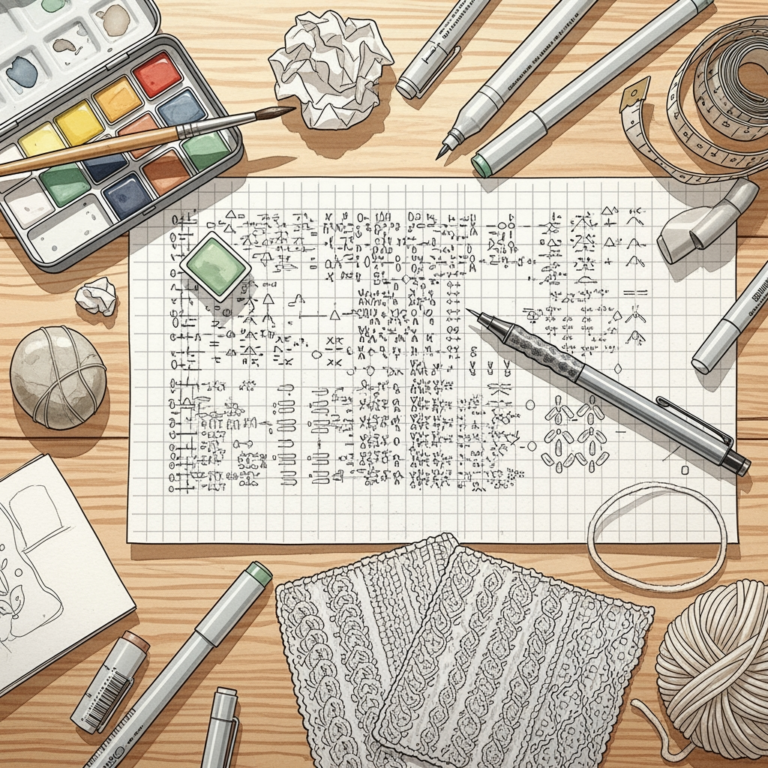
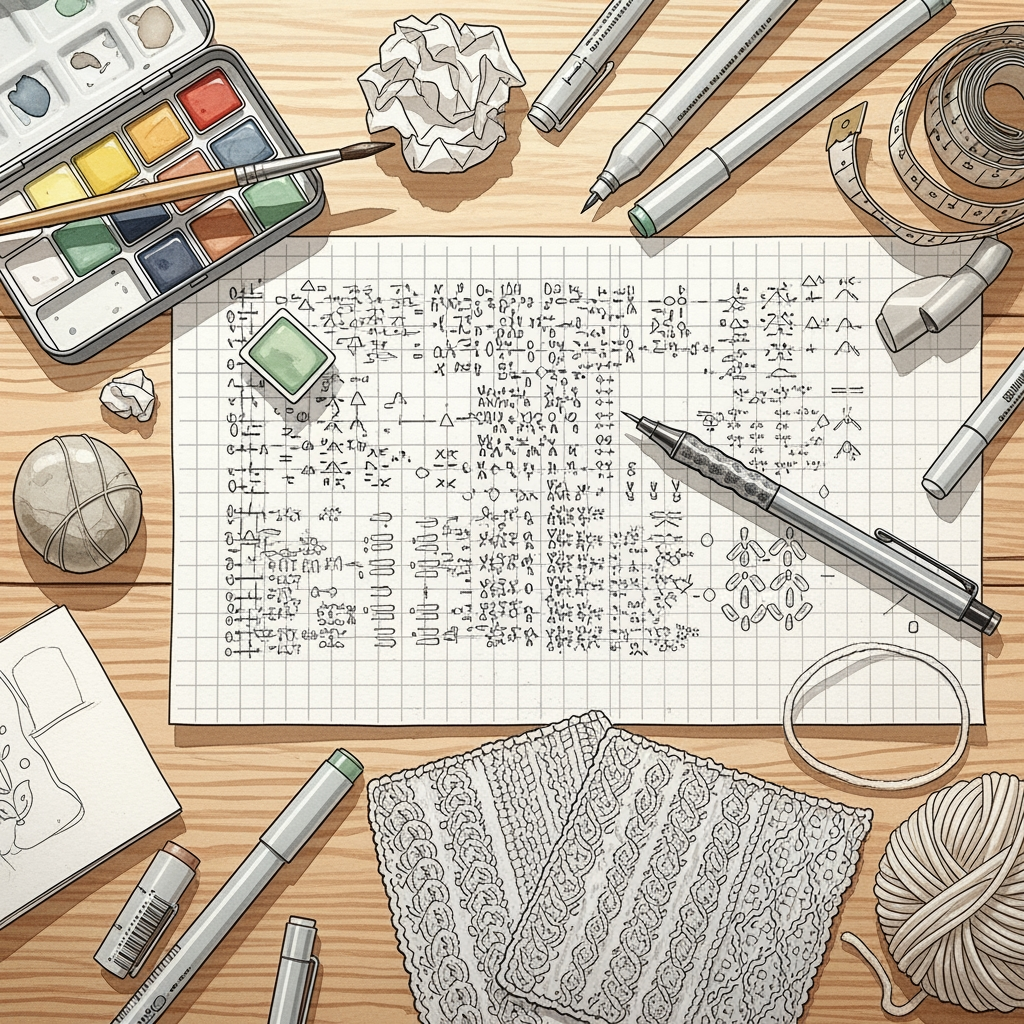
Stitch Fiddle serves as a digital blank slate for those who prefer to design their own typography from scratch. It offers a grid-based interface where cells represent individual stitches, making it perfect for visualizing how a monogram will sit against your fabric gauge.
This tool is particularly useful if the desired monogram does not exist in standard knitting pattern libraries. By inputting the dimensions of your project, the platform scales the letter to ensure it fits accurately within the available space.
The primary tradeoff involves the learning curve of manual pixel-mapping. While powerful, it requires an understanding of how colorwork floats—the strands of yarn carried behind the work—might affect the tension of the finished fabric.
ChartMinder: Ideal for Complex Colorwork
ChartMinder functions as a more robust version of traditional design software, catering to knitters who demand precision. It features advanced color-management tools that prevent common charting errors, such as creating floats that are too long to be practical.
It excels when you need to integrate a monogram into a larger pattern, such as a fair isle sweater yoke. The software can help identify where to anchor your floats, which is essential for maintaining consistent fabric density.
While this tool offers immense control, avoid overcomplicating the design for small areas. Even the best software cannot overcome the physical limits of yarn weight; a highly detailed, intricate font may look blurred if the stitch count is too low for the yarn’s WPI (wraps per inch).
LoveCrafts Monogram Maker: Best Free Resource
LoveCrafts provides a straightforward, user-friendly interface that prioritizes speed and accessibility. It is the ideal choice for those who need a professional-looking letter without the heavy lifting of custom design software.
This tool is best suited for beginners or those working on simple, repetitive projects like dishcloths or small baby blankets. The generated patterns are clean, readable, and often include basic instructions for standard stitching techniques.
Keep in mind that free generators offer less flexibility regarding font style and sizing compared to paid alternatives. If the project requires a very specific aesthetic—such as a rigid gothic script or an airy, modern minimalist font—this might feel too restrictive.
Etsy’s TheKnottyNeedleCo: Top Hand-Drawn Charts
Sometimes, a computer-generated grid lacks the soul and artistic flair of a human designer. TheKnottyNeedleCo on Etsy specializes in hand-drawn, aesthetically pleasing alphabets that feel organic rather than pixelated.
These charts are frequently designed by knitters for knitters, meaning they understand the nuances of negative space. They often include helpful notes on how the monogram interacts with surrounding purl or knit stitches, which is a detail often missed by generic software.
When purchasing from independent designers, verify the chart matches your planned technique. A chart designed for intarsia may not work as well for stranded colorwork, as the yarn management requirements differ significantly between the two methods.
Ravelry Search: Best for Finding Niche Styles
Ravelry remains the gold standard for searching patterns based on specific stitch counts and techniques. Its advanced search filters allow you to isolate individual letter charts that have been tested and approved by other knitters.
This resource is unbeatable for historical or highly stylized fonts. Because it is a community-driven database, you can often see finished photos of the monogram on actual sweaters, helping you judge how the design looks when tensioned on a real garment.
Be prepared to sort through a high volume of results. The best approach is to filter by technique—such as “stranded” or “embroidery”—to narrow down charts that fit your specific skill set.
Vintage Pattern Library: Best Classic Alphabets
Vintage pattern archives are treasure troves for those seeking timeless, elegant, and ornate typography. These designs often feature classic serif or cursive styles that modern software struggles to replicate with authenticity.
These alphabets are particularly effective for heritage projects, such as wool blankets or heavy cable-knit sweaters. They provide a refined, understated look that feels intentionally curated rather than mass-produced.
Remember that older charts may not include modern grid formats. You might need to transfer these designs onto graph paper or into a digital tool to ensure the stitch counts are even and the repeats are logically laid out for your specific needle size.
KnitPro 2.0: Best Cross-Stitch Converter
KnitPro 2.0 is a utility that converts image files into a knitting chart. It is incredibly effective for turning an image of a monogram or family crest into a functional stitch-by-stitch map.
It works best with high-contrast, black-and-white images. By minimizing the color palette, the converter creates a clearer grid, which reduces the chance of “stray” stitches appearing where they don’t belong in the final design.
Always review the final output manually. Digital converters often leave artifacts in the design that require minor manual adjustments to ensure the edges of the letters look crisp and defined rather than jagged.
How to Place a Monogram on Your Knitted Gift
Placement is the difference between a professional finish and a messy afterthought. Always center the monogram on the garment’s front or back, measuring from the center stitch outwards to ensure perfect symmetry.
When working on a sweater, the ideal placement for a chest monogram is usually three to four inches below the neckline. If the garment is a blanket, a corner placement or a centered block often works best, depending on the scale of the design.
Before knitting, use safety pins to mark the boundaries of the monogram on your work. This creates a physical frame, helping you stay within your boundaries and ensuring the letters are not pulled askew by the surrounding tension.
Intarsia vs. Duplicate Stitch: Which Is Best?
Intarsia is the preferred method for large monograms where you want the letter to be an integral part of the fabric. In this technique, you knit the letter into the fabric, using separate bobbins for each color block, which keeps the back of the work clean and free of heavy floats.
Duplicate stitch, conversely, is an embroidery technique applied after the garment is completed. It involves stitching yarn over the existing Vs of your knitting, mimicking the knit stitch structure.
Use intarsia for large, bold letters on a sweater’s front, where you want to minimize bulk. Choose duplicate stitch for smaller, delicate monograms or when adding initials to an existing garment, as it is much easier to manage than managing multiple bobbins while knitting.
Tips for Weaving in Your Monogram Ends Neatly
Managing ends in colorwork is the most common cause of frustration, especially when working with many small, distinct color sections. To keep the interior looking professional, weave your ends into the corresponding color sections on the wrong side.
For intarsia specifically, twist the yarns where colors change to prevent holes from forming between the letters. Secure these twists by weaving the ends into the vertical “legs” of the stitches, ensuring the tail is hidden and secure without creating a visible bump on the right side.
Avoid knotting your ends, as this creates hard points that can be felt through the fabric. Instead, duplicate the stitch path for three to four stitches to anchor the yarn securely, then trim the tail close to the fabric once the piece has been blocked.
Selecting the right monogram chart is the foundation of a successful project, but the final quality relies on careful technique and thoughtful placement. By choosing a design source that aligns with your specific knitting method and taking the time to weave in your ends correctly, you ensure the gift remains a durable and beautiful piece for years to come.