7 Best Textile Shears For Finishing Work To Own
Upgrade your sewing kit with our expert guide to the 7 best textile shears for finishing work. Choose the perfect professional blade and elevate your projects.
A clean, precise cut is the difference between a professional-looking finish and a fraying disaster on a hand-knitted garment. While many knitters focus exclusively on needle material and yarn quality, the final snip of an end or the surgical cut of a steek requires specialized equipment. High-quality shears prevent the chewing of delicate fibers, ensuring every project retains its structural integrity. Choosing the right pair is an investment that elevates the final stages of any fiber arts project.
Gingher Knife-Edge Shears: The Heritage Choice


Gingher shears are the industry standard for those who value longevity and a traditional feel. The knife-edge grind allows the blades to glide through heavy woolens or dense cables without catching or pulling.
Because of their weight and balance, these shears provide significant leverage when trimming thick project ends or dense fabric remnants. They are ideal for knitters who appreciate a heavy, grounding tool that feels substantial in the hand.
The primary trade-off is their weight, which can cause fatigue during long finishing sessions. If the goal is a tool that lasts a lifetime with proper maintenance, this remains the gold standard.
Kai 7250 Professional Shears: Best Lightweight

Kai shears utilize high-carbon stainless steel that offers a remarkably smooth cutting action with minimal pressure. They are significantly lighter than traditional forged steel options, making them the preferred choice for those who struggle with hand strain or repetitive stress.
The ergonomic handle design distributes pressure evenly, preventing the pinching often felt during long hours of weaving in ends. For anyone managing a large volume of finishing work—like blocking and trimming twenty socks at once—this reduction in effort is substantial.
The trade-off is a slightly more delicate blade edge that requires careful handling. Avoid using these on anything other than fiber; metal or heavy wire will compromise the precision edge quickly.
Fiskars Razor-Edge Softgrip: Top Value Pick

Fiskars provides a high-performance cutting edge at a fraction of the cost of professional boutique brands. The Razor-Edge series features a specific grind that manages slick fibers—like mohair or silk blends—without letting them slip between the blades.
These shears are excellent for the knitter who wants a reliable, daily-use tool for the sewing table. They handle everything from chunky acrylics to fine lace-weight yarns with surprising consistency.
While they may lack the lifetime heirloom status of heavier forged shears, their performance-to-price ratio is difficult to beat. They serve as an ideal entry point for those building a professional-grade toolkit.
LDH Midnight Edition Shears: Ultimate Precision
LDH shears are renowned for their ultra-sharp, tapered tips, which are essential for navigating tight spaces in stranded colorwork or complex lace. The matte black finish is not merely aesthetic; it provides a non-slip grip that aids in controlled, surgical cuts.
These are perfect for “micro-trimming,” or cutting yarn precisely against a seam without risking the neighboring stitches. The blades are exceptionally thin, allowing for access in spots where bulkier shears would be impossible to maneuver.
Expect a premium price point, but the return on investment comes in the form of surgical-grade accuracy. They are the top choice for the perfectionist knitter who demands absolute control over every trim.
Clover Patchwork Scissors: Best for Detail Work

Clover is best known for their meticulous attention to the needs of crafters, and their patchwork scissors reflect this with a compact, ultra-sharp design. They are specifically engineered to make small, clean snips, making them indispensable for detail-oriented fiber work.
If you are trimming fine tapestry ends or working on delicate embroidery embellishments, these are the best in the collection. They fit easily into any project bag, making them the perfect companion for mobile knitting.
They are not designed for cutting through heavy, layered fabric or thick felt. Use these exclusively for detail finishing to keep the blades sharp and effective for years to come.
SINGER ProSeries Bent Shears: Ergonomic Design
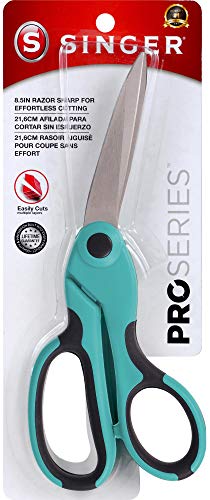
The bent-handle design of the SINGER ProSeries allows the lower blade to rest flat against the cutting surface while the hand remains elevated. This is a game-changer when trimming long, flat swatches or blocking large garment sections.
By keeping the wrist in a neutral position, these shears significantly reduce the strain associated with finishing large projects. They are particularly useful for those who find traditional straight shears awkward or painful to operate for extended periods.
They offer a sturdy, reliable cutting experience for a wide range of yarn types. This is the practical choice for a general-purpose, high-ergonomics tool that can handle a high workload.
Wiss Inlaid Dressmaker Shears: Most Durable

Wiss shears are constructed with an inlaid steel blade, a manufacturing process that ensures the edge remains sharp much longer than standard stamped steel. They are essentially industrial-grade tools repurposed for the textile artist.
These are the “workhorse” shears meant for thick, felted wools or heavy-duty backing fabrics. They will cut through layers of dense yarn without hesitation, providing a clean edge where others might fail.
Because they are heavy and stiff, they are not the best choice for delicate, fine-gauge lace work. However, for a workshop environment where durability is the priority, they remain an unmatched selection.
What to Look For in Quality Finishing Shears
When selecting shears, the first consideration must be the type of yarn or fabric most frequently encountered. A heavy, wool-only knitter needs different edge tension than someone who works exclusively with slippery silk or bamboo blends.
- Blade Material: High-carbon steel holds a sharper edge but requires oiling to prevent rust. Stainless steel is more resistant to corrosion but may require more frequent professional sharpening.
- The Pivot Point: Look for an adjustable screw or tension bolt. Being able to tighten or loosen the blades as they wear over time is essential for a long-lasting tool.
- Handle Comfort: Consider how the shears fit in the hand; the loops should be large enough to allow for a comfortable grip without causing pressure points on the fingers.
Avoid “all-purpose” household scissors. These are almost always too blunt and thick to provide the clean, close cut required for high-end fiber finishing.
Caring For Your Shears: Sharpening and Oiling
Even the highest quality shears will dull over time if neglected. Never use your fabric shears to cut paper, wire, or non-textile materials, as these will ruin the honed edge almost instantly.
- Oiling: Place a drop of high-quality sewing machine oil at the pivot screw every few months. Open and close the blades several times to work the oil into the joint, then wipe away any excess.
- Sharpening: Seek out a professional blade sharpener once a year if usage is high. DIY sharpening stones are risky unless you have significant experience; an incorrect angle will permanently damage the shear’s performance.
- Storage: Keep shears in a protective case or sheath when not in use. Dropping them on a hard floor can misalign the blades, rendering even the most expensive pair useless.
Proper maintenance is not optional. A well-oiled, sharp pair of shears will always outperform a neglected high-end tool.
Using Shears for Steeking Knits With Confidence
Steeking—cutting into a knitted fabric, usually stranded colorwork—requires the utmost trust in your tools. Before making that first cut, ensure your shears are sharp enough to glide through the fabric without tugging on the individual plies of yarn.
When preparing to steek, stabilize the cutting line with sewing or crochet reinforcement first. Once the path is marked, use the tips of your shears to make precise, small cuts rather than long, sweeping strokes.
If the shears pull the fabric or “chew” the yarn, stop immediately. It is better to re-sharpen or switch tools than to risk the integrity of a labor-intensive project.
The right shears transform the daunting task of cutting a hand-knit into a simple, satisfying conclusion. By investing in a high-quality pair and maintaining them with care, every project can be finished with professional precision. Choose a tool that fits your hand and your most common knitting medium, and the final snip will always be a moment of accomplishment.