
6 Best Silk Pillowcase Washes For Sensitive Skin
Protect your delicate bedding with the 6 best silk pillowcase washes for sensitive skin. Choose the right gentle cleanser for a softer, longer-lasting sleep.
Just as a prized lace shawl requires specific care to maintain its structural integrity and fiber health, silk pillowcases demand a gentle touch to preserve their luster and protein-based strength. Overlooking the chemistry of your wash can lead to fiber degradation, stripping away the very qualities that make silk a preferred choice for delicate skin. Whether you are working with fine mulberry silk or a heavier charmeuse weave, the detergent choice is the foundational step in long-term maintenance. Selecting the right product ensures that a investment piece remains as supple as a freshly blocked swatch of luxury silk yarn.
The Laundress Delicate Wash: The Classic Choice


This detergent remains a staple for those who treat their textiles with the same precision applied to high-end spinning fibers. Its formulation is intentionally pH-neutral, which is critical because alkaline environments can cause protein-based fibers like silk to become brittle over time.
Think of this as the equivalent of a reliable, high-quality wool wash used for your hand-dyed cashmere projects. It cleans effectively without relying on harsh enzymes that might otherwise eat away at the silk’s natural structure.
The primary trade-off is the price point, which is higher than standard laundry detergents found in big-box stores. However, for those with reactive skin or expensive mulberry silk pillowcases, the investment pays off in fiber longevity.
Eucalan Fine Fabric Wash: Best No-Rinse Option

Eucalan is highly regarded in the knitting community for its no-rinse formula, often used to block lace shawls and delicate sweaters. Because it contains lanolin, it acts as a natural conditioner for the silk, maintaining the fiber’s soft, fluid drape.
When silk stays hydrated, it remains less prone to the friction that causes skin irritation. The absence of a rinse step also means less mechanical stress on the fabric, preventing the fibers from becoming overworked during the washing process.
This is an ideal choice for the busy maker who wants to ensure their linens receive professional-grade care without requiring a deep-soak rinse cycle. It is a time-saver that does not compromise on the gentle chemistry required for animal-derived fibers.
SOAK Wash Unscented: For Ultra-Sensitive Skin
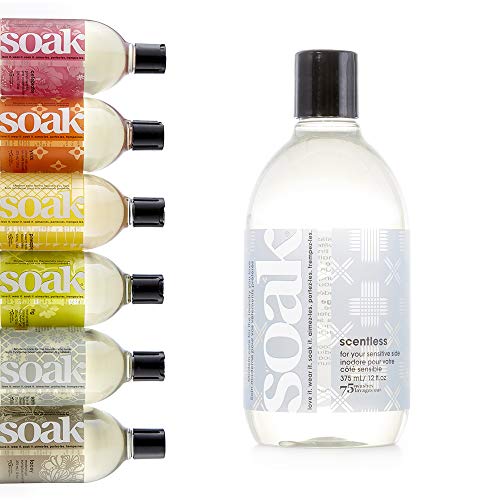
For those who suffer from contact dermatitis or chemical sensitivities, fragrance is often the primary culprit for skin flare-ups. SOAK is formulated to be exceptionally clean, leaving no residue behind that could irritate the skin during sleep.
The chemistry of this wash is designed to lift away skin oils and sebum—which can degrade silk over time—without requiring significant agitation. It functions similarly to a delicate detergent for hand-knitted baby garments, where safety and purity are paramount.
The main consideration here is the lack of added conditioners or scents. If the goal is a strictly functional, low-allergen maintenance routine, this is the most secure path to take.
Heritage Park Silk Detergent: The Luxury Pick

Heritage Park focuses specifically on the needs of silk, avoiding the harsh surfactants that can cause “pilling” or fiber breakage in delicate, long-strand fabrics. It is a concentrated formula, meaning a small amount goes a long way, which is a common trait among high-end fiber care products.
When using high-quality detergents like this, the goal is to protect the sericin—the natural protein coating on silk fibers. Preserving this protein keeps the fabric smooth, which in turn reduces the friction against the skin that causes sleep-related creases or irritation.
While it lacks the widespread availability of drugstore brands, it is the industry standard for those who treat their silk collection with the same care they afford a hand-spun, hand-dyed heirloom. It is the gold standard for long-term fiber preservation.
Woolite Delicates Hypoallergenic: Best on a Budget

Woolite Delicates is the accessible, reliable entry point for anyone starting their journey into specialty textile care. It is formulated to be gentle on proteins, making it safe for both wool and silk fibers.
While it may not possess the specialized additives of boutique brands, it succeeds in providing a pH-balanced environment. For those who need a readily available option that won’t strip their silk, this is a capable workhorse.
The trade-off is that it lacks the concentrated conditioning agents of more expensive washes. If you use this, prioritize a very gentle hand-wash technique to compensate for the simpler ingredient profile.
Le Blanc Silk & Lingerie Wash: Top-Shelf Care
Le Blanc is often sought after for its ability to clean thoroughly while maintaining the delicate sheen of high-end silk. Its formula is specifically designed for intimate apparel, where both fiber softness and skin safety are non-negotiable requirements.
This detergent excels at removing stubborn oils, which, if left to sit, can oxidize and damage the silk fiber over time. It is effectively the luxury upgrade to a standard delicate wash, offering peace of mind for those with highly reactive skin.
Because it is highly concentrated, it is essential to measure carefully. Using too much product can leave a film on the fabric, which may counteract the benefits of using a high-quality silk pillowcase.
How to Choose the Right Silk Wash for Your Skin
Selecting the right wash requires evaluating your skin’s specific sensitivities against the fiber’s chemical needs. If you have severe fragrance allergies, an unscented option like SOAK is non-negotiable, regardless of the brand’s reputation for fiber care.
- pH Neutrality: Always look for a pH-neutral label to prevent protein damage.
- Enzyme-Free: Avoid proteases, which are designed to break down proteins—exactly what your silk is made of.
- Conditioning Agents: If you live in a hard-water area, choose a wash with natural conditioners to prevent the silk from feeling stiff.
Assess your local water quality as well, as hard water can leave mineral deposits on silk regardless of the detergent used. If the water is harsh, you may need a wash that includes mild chelating agents to keep the silk soft.
Hand Washing vs. Machine Washing Your Silk Cases
Hand washing remains the gold standard for silk, mirroring how one would wash a delicate, one-of-a-kind lace project. It allows for complete control over the mechanical stress applied to the fabric, ensuring that fibers are not stretched or pulled.
If machine washing is the only viable option, always place the silk cases inside a high-quality mesh garment bag. Use the “delicate” or “hand-wash” cycle with the lowest spin speed to avoid fiber deformation or fraying at the seams.
Regardless of the method, never crowd the machine. Silk requires space to move through the water, just as a hand-knitted garment needs room to avoid felting or distortion during a soak.
Key Ingredients to Avoid for Sensitive Skin Use
Avoid any product containing heavy fragrances, dyes, or harsh chemical brighteners. These additives are the primary triggers for contact dermatitis and often remain trapped in the silk’s tight weave even after rinsing.
Steer clear of “biological” detergents containing enzymes like protease or cellulase. These are designed to digest organic matter, and since silk is an animal-based protein, these enzymes will actively degrade the fabric’s integrity.
Finally, avoid detergents with strong oxidizing agents. While they may brighten the look of synthetic fabrics, they act as a corrosive agent on natural silk fibers, leading to accelerated wear and tear.
The Right Way to Dry and Store Your Silk Cases
Never wring out your silk pillowcases, as this mechanical stress causes permanent creasing and can snap the delicate fibers. Instead, lay the case flat on a clean, white towel and roll it up like a burrito to gently press out the excess moisture.
Air-drying is the only acceptable method for silk. Keep the pillowcases away from direct sunlight, which can bleach the color and make the fibers brittle, much like how UV light affects the dye-fastness of hand-dyed yarn.
Store your clean silk cases in a cool, dry place, preferably in a breathable cotton or linen bag. Never store them in plastic, which can trap moisture and promote mold growth or fiber degradation.
By selecting the correct pH-neutral detergent and employing gentle washing techniques, you ensure that your silk pillowcases continue to protect your skin and hair for years to come. Maintaining your linens with the same attention to detail you give your fiber arts projects guarantees that the investment remains worth every thread. Consistency in care is the true secret to preserving the delicate luxury of silk.