7 Best Thread Storage Cases For Organized Sewing Rooms
Keep your supplies tidy with these 7 best thread storage cases for organized sewing rooms. Find the perfect solution to declutter your workspace and shop today.
A well-organized sewing room is as essential to a successful project as a perfectly tensioned swatch or the right needle material for a specific yarn. Tangled threads and misplaced bobbins can derail a creative workflow faster than a split ply or a dropped stitch in a complex lace pattern. Investing in proper storage protects the integrity of your threads, ensuring they remain free from UV damage, dust, and potential breakage. This guide evaluates the top storage solutions to help maintain a pristine and functional workspace for every fiber project.
ArtBin Super Satchel Thread Box: Best Overall
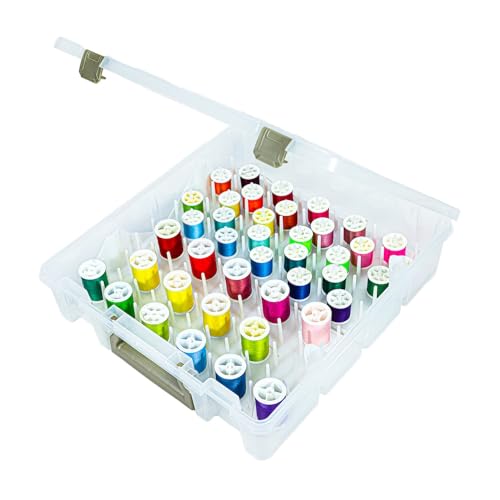

The ArtBin Super Satchel serves as a gold standard for those who value both visibility and protection. Its generous depth accommodates standard spool sizes with ease, keeping colors clearly visible through the clear lid.
Reliable latches are the unsung heroes of thread storage. This box features secure closures that prevent spools from migrating during transport, protecting delicate threads from tension-damaging drops.
For a knitter who also dabbles in garment construction or quilt finishing, this box offers a perfect balance of portability and capacity. It works best for those who prefer to keep their thread stash tucked away in a closet until needed, rather than permanently displayed.
Singer Sew-It-Goes Case: Best Portable Option

Portability is vital for makers who attend workshops or frequently move between a dedicated sewing desk and the living room sofa. The Singer Sew-It-Goes case features a modular, stackable design that adapts to the size of a project-specific thread collection.
The internal compartments prevent spools from rolling around during travel, which is a major benefit for maintaining thread quality. Avoiding friction and tangles during transit ensures that your thread performs as intended when it reaches the machine.
This option excels for those with limited space who cannot justify a permanent cabinet. It offers a compact footprint that slides easily onto a bookshelf or into a drawer when the sewing session concludes.
Creative Options Thread Organizer: Most Versatile
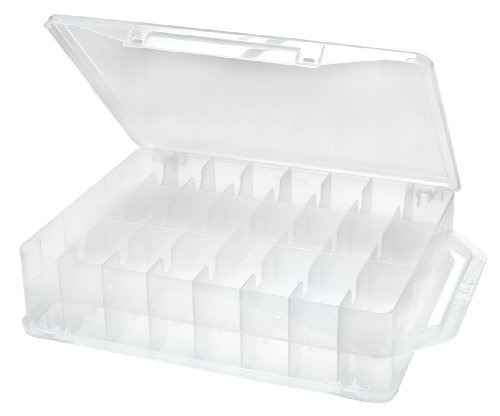
Flexibility defines the Creative Options organizer, which utilizes adjustable dividers to house items beyond just standard spools. This is particularly useful for storing variegated threads, metallic embroidery floss, or specialized reinforcement cords.
When a project demands a diverse range of materials, the ability to customize compartment sizes becomes a distinct advantage. Being able to store bulky cones alongside standard bobbins keeps related materials together, streamlining the setup process for complex sewing tasks.
While this box is excellent for organization, it requires a bit of maintenance to ensure threads stay seated properly. Check that your spools are oriented consistently to prevent the thread ends from unraveling and creating a messy bird’s nest inside the case.
IRIS USA 6-Drawer Craft Cabinet: For Big Collections

Large collections require a systematic approach to prevent overwhelming the workspace. The IRIS USA cabinet provides a clean, vertical storage solution that keeps an extensive library of threads sorted by color or weight.
Drawer storage is ideal for protecting thread from dust and sunlight, both of which can degrade fiber strength over time. If your sewing area is located in a high-traffic room, these drawers act as a protective barrier against the elements.
Labels are essential when using drawer systems to avoid frequent rummaging. Clear, color-coded tagging ensures you can locate a specific shade of polyester or silk thread in seconds, keeping your momentum high during time-sensitive construction.
Dritz Plastic Bobbin Box: Best for Bobbins
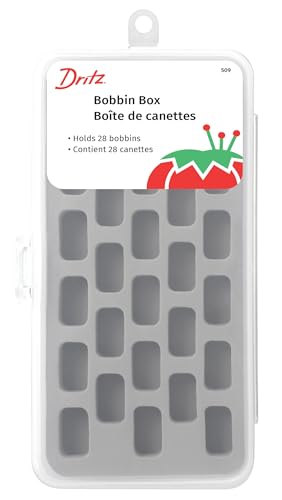
Bobbins are notorious for unwinding and creating a tangled mass if stored loosely in a jar or basket. The Dritz Plastic Bobbin Box features molded slots that keep each bobbin individually separated and neatly wound.
This level of organization is non-negotiable for anyone who switches frequently between thread colors. Being able to see your entire bobbin collection at a glance saves time and prevents the frustration of searching for the right match for your fabric.
These boxes are sturdy and designed to stack, allowing you to build your storage as your collection of thread colors grows. It is the most practical way to store pre-wound bobbins, ensuring they remain ready for immediate use.
June Tailor Wooden Spool Rack: Best Wall-Mounted

A wall-mounted wooden rack turns a thread collection into a functional piece of studio decor. By keeping threads off the workspace, you free up valuable surface area for cutting fabric and managing larger sewing projects.
The wooden pegs provide quick access, which is ideal for sewers who frequently switch between different weights and textures. Seeing the full spectrum of your collection can also spark inspiration for color blocking or decorative topstitching.
However, consider the environment of your sewing room before mounting a rack. Direct sunlight hitting exposed thread can cause fading and fiber degradation, so ensure the wall location is shaded from windows.
Embroidex 60-Spool Thread Rack: For Embroidery Pros
The Embroidex 60-spool rack is designed specifically for makers who juggle many colors simultaneously, such as those working on complex embroidery patterns. The deep spacing between pegs accommodates even the largest cones of thread.
This rack is a heavy-duty solution for those who use high-volume threads on a regular basis. Having a clear view of your embroidery thread inventory makes it easy to spot when you are running low on a essential neutral or a primary color.
If you opt for an open rack, dust management becomes a priority. Periodically covering the unit with a light cloth or using a gentle dusting tool ensures that your thread remains pristine for long-term projects.
Choosing Your Thread Storage: Rack vs. Box vs. Cabinet
Choosing the right storage depends heavily on your sewing frequency and your available space. Racks are superior for visibility, boxes are best for portability, and cabinets offer the most robust protection against light and dust.
Consider your environmental conditions before committing to an open rack system. If your sewing space is humid or bright, opt for a closed box or a drawer cabinet to protect your fiber from the elements.
Think about how you move through a project. If you work from a dedicated studio, a cabinet is an excellent long-term investment. For the roving maker, a modular box that moves with you is the only logical choice.
How to Keep Your Thread Dust-Free and Tangle-Free
Thread quality relies on keeping fibers clean and tension-consistent. Dust can be carried into your sewing machine, leading to buildup in the tension discs and uneven stitches. Always choose a storage system that features a lid or drawer to act as a primary defense.
To prevent tangling, always utilize the “tails” catch on your spool. If a spool does not have one, a small piece of painter’s tape or a thread net can keep the tail secured against the spool body, preventing it from unraveling in the dark corners of a storage box.
Regular maintenance of your thread stash is just as important as maintaining your machine. Take a few minutes every few months to reorganize your boxes and ensure that no loose ends have migrated to other spools, which can cause significant headaches during your next sewing session.
Does Thread Expire? Protecting Your Collection
While thread does not have a strict expiration date like milk or medication, it does age. Natural fibers like cotton can dry out and become brittle over time, while synthetic threads like polyester are generally more resilient but can lose their sheen if exposed to excessive heat or UV light.
To maximize the life of your collection, store your thread in a cool, dry place. Avoid basements or attics where humidity levels fluctuate, as this can lead to mold or fiber degradation. A stable, climate-controlled environment is key to keeping your threads as strong as the day they were purchased.
If you suspect your thread has become too brittle for use, test it by pulling a small length and snapping it with your fingers. If it breaks with very little resistance, it is best to retire that spool to avoid thread breakage inside your machine during a project.
By selecting the right storage for your specific needs and environment, you ensure your thread collection remains an asset to your sewing room for years to come. Thoughtful organization prevents frustration and protects the quality of your work, allowing you to focus entirely on the joy of creating.