6 Book Tabs For Annotating Stories Worth Using
Enhance your reading experience with our top 6 book tabs for annotating stories. Find the perfect markers for your library and start organizing your notes today.
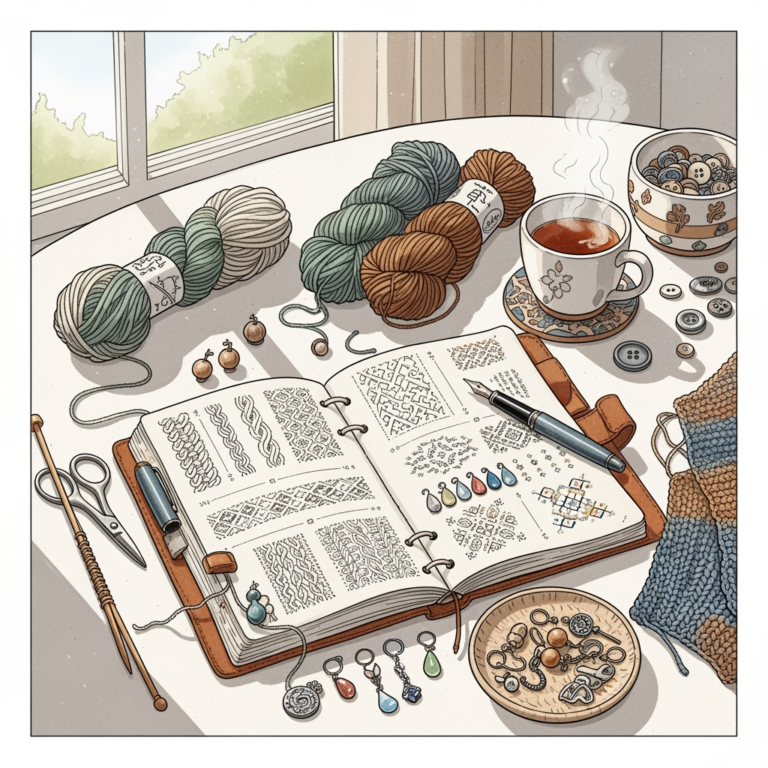
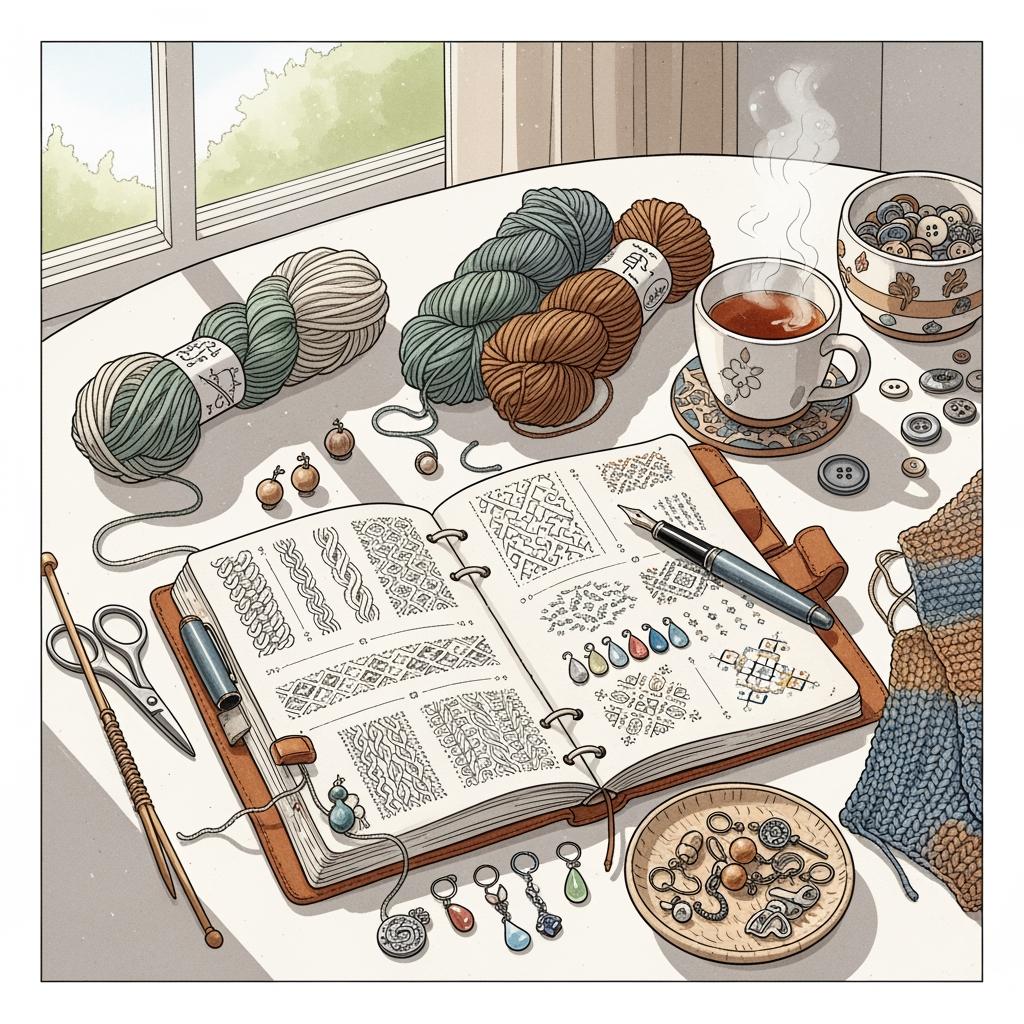
Knitting patterns are dense documents filled with complex instructions, size-specific requirements, and technical jargon that can easily overwhelm even an experienced maker. Without a reliable system for marking progress and highlighting essential data, a simple cable repeat can quickly turn into a source of frustration. Annotating a pattern is the single most effective way to prevent errors and ensure that precious hours spent at the needles aren’t wasted on avoidable mistakes. The right selection of tabs turns a static document into a functional, interactive guide that keeps pace with every row.
Post-it Tabs: The Ubiquitous, Reliable Standard


Post-it tabs are the baseline for any knitter’s project binder. These adhesive markers are accessible in virtually every stationery aisle, making them the most convenient choice for an emergency trip to the store before starting a new sweater.
They adhere well to standard copy paper and laminated pattern sheets alike. Their primary advantage lies in the repositionability; if a section needs to be revisited after blocking, the tab can be moved without tearing the paper.
However, they can lose their “stick” over the course of a long-term project involving hundreds of hours of work. If a pattern spends weeks inside a project bag, expect the edges to catch on yarn cakes or circular needle cables.
Avery Ultra Tabs: For Heavy-Duty Pattern Use

Avery Ultra Tabs feature a reinforced edge that stands up to the constant handling inherent in complex lace or stranded colorwork projects. These are far more durable than standard paper tabs and resist curling even when tucked into a crowded knitting tote.
Because the adhesive is limited to one side, they won’t bunch up or stick to the yarn. This is particularly important when working with delicate fibers like lace-weight mohair or hand-dyed singles that snag easily on rough surfaces.
These tabs are best suited for “forever” patterns—those classic cardigans or heirloom blankets that get pulled out every few years. They maintain their integrity through multiple knitting cycles, keeping the most critical pages marked indefinitely.
Mr. Pen Sticky Tabs: Best Value for Color-Coding
Mr. Pen tabs offer an expansive color palette that is essential for knitters juggling multiple sizes or complex stitch repeats. When working on a pattern with several size options, assigning a specific color to your size prevents accidental stitch count errors.
The value proposition here is the sheer volume of tabs provided in a single pack. For a knitter working on an intricate fair isle project that requires tracking several color shifts, having a surplus of tabs is a necessity, not a luxury.
Be mindful that these are thinner than premium options. They work best on standard weight printer paper; using them on lightweight, tissue-thin pattern pages may result in the adhesive showing through the back of the sheet.
TICONN Transparent Tabs: Read Text Underneath
TICONN tabs provide the distinct advantage of being partially transparent, meaning no text is obscured when marking a row count or a specific chart instruction. For a knitter following a tight, multi-row chart, this visibility is non-negotiable.
These tabs prevent the common annoyance of having to peel back a marker just to verify an instruction. They essentially function like a highlighter that can be removed, offering both clarity and order.
The plastic material is slick, which is ideal for sliding into a project folder without catching. This is a critical feature when working with bulky wool or tweed, as the rougher texture of those fibers can easily hook onto paper markers and rip them from the page.
Page Darts Line Markers: Precision for Chart Rows
Page Darts are small, metal markers that act like a clip rather than a sticker. Their primary strength is precision, allowing a knitter to point to an exact stitch in a chart with surgical accuracy.
Since they don’t use adhesive, there is zero risk of residue building up on the page or damaging the paper over time. They are the ideal choice for those who prefer to keep their pattern pages pristine and free of sticky marks.
The trade-off is that they are small and can easily be misplaced in a dark knitting bag. Use them only when the pattern is kept on a flat surface, as they lack the “grip” of adhesive tabs and may slide off if the pattern is folded or rolled.
Midori Chiratto Index Clips: The Reusable Option

Midori Chiratto clips are the gold standard for long-term pattern organization. These thin, stainless steel clips offer a flat profile that doesn’t add bulk to a binder, which is essential if you keep your entire pattern library in a single collection.
They provide a subtle, elegant way to organize multiple projects simultaneously. Because they are metal, they don’t wear out, fray, or lose their adhesive grip, effectively lasting for the entire lifetime of a knitter’s career.
While the upfront cost is higher, the investment pays for itself through longevity. They are best reserved for your most complex, high-difficulty projects where you want a reliable, permanent marker that stays exactly where you put it.
How to Choose the Best Tabs for Your Project
Selecting the right tab depends heavily on the complexity of the project and the medium you use to house your patterns. Consider these variables:
- Frequency of access: Use durable plastic or metal for a daily-use project.
- Paper quality: Avoid aggressive adhesives on thin, delicate paper to prevent tearing.
- Size density: If your pattern requires tracking multiple size instructions simultaneously, color-coding with adhesive tabs is mandatory.
- Environment: If your knitting bag is constantly in motion, opt for tabs with a low profile that won’t snag on yarn ends.
A System for Annotating Your Knitting Patterns
A well-annotated pattern should communicate the current status of the project at a glance. Start by placing a tab on the “Notes” section for gauge requirements and needle size, ensuring you never have to re-measure mid-project.
Use a “Progress Tab” on the current chart row or instruction set, moving it every time you finish a row or repeat. This creates a psychological checkpoint that keeps you motivated through long, tedious sections like stockinette sleeves or body panels.
Finally, keep a separate set of tabs for “Troubleshooting” or “Modifications.” If you decide to add length to a torso or change a bind-off, mark that page immediately so the change is documented for the next time you cast on.
Are Reusable Tabs Really Worth the Investment?
Reusable options like metal index clips offer significant advantages for the organized knitter who manages a large library. They eliminate the cycle of buying, applying, and discarding adhesive tabs, which reduces long-term costs and waste.
However, reusable tabs are not always the best choice for a project bag that sees significant travel. Adhesive tabs, while disposable, provide a “lock” on the page that metal clips lack; they are far less likely to fall off if your bag is tossed into a car or airplane cabin.
Evaluate your habits before committing to one style. If you are a “project-at-home” knitter, invest in the durable, reusable metal options. If you travel with your knitting, stick to the reliable, high-tack adhesive tabs.
Paper vs. Plastic Tabs: Which Is Right for You?
The choice between paper and plastic comes down to durability versus flexibility. Paper tabs are excellent for making notes directly on the tab itself with a pencil, which is vital if you need to record row counts or adjust stitch totals on the fly.
Plastic tabs offer superior durability and are generally easier to see against busy, black-and-white charts. They survive the dampness of hands during a long summer knit session and won’t wrinkle or bleed if they come into contact with blocking moisture.
Ultimately, the best approach for most knitters is a hybrid system. Keep a variety on hand—metal for permanent markers, adhesive paper for notations, and plastic for high-traffic chart rows.
By building a thoughtful annotation system, you treat your knitting with the precision it deserves. Start small with one or two types of tabs, and observe how your pattern navigation improves over your next few projects. Happy knitting.