6 Best Lumbar Supports For Extended Crafting Hours
Stop back pain during marathon projects with our top 6 lumbar supports for extended crafting hours. Discover the perfect ergonomic fit for your studio today.
Whether working on a complex lace shawl that requires hours of unwavering focus or powering through a stockinette sweater in a superwash wool, your posture often dictates the longevity of your craft. Neglecting back support during extended sessions can lead to muscle fatigue that distracts from gauge consistency and rhythmic tension. Integrating high-quality lumbar support into a knitting station transforms long-term discomfort into sustainable productivity. Selecting the right tool is the difference between finishing a project with ease and needing a week of recovery.
Everlasting Comfort Pillow: Best Overall Support
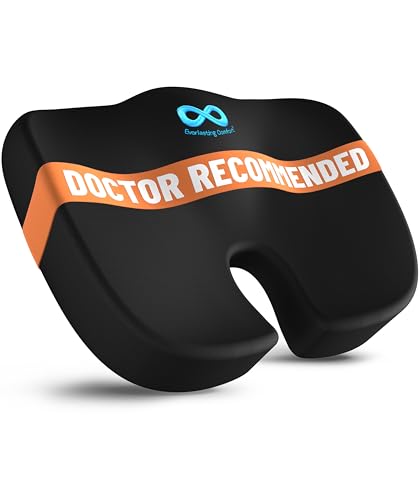

The Everlasting Comfort Pillow is designed for those who spend entire weekends working on intricate colorwork. Its memory foam construction reacts to body heat, creating a customized mold that supports the lower back without feeling restrictive.
This model excels because it maintains its structural integrity even after hours of leaning forward into a project. When focusing on complex charts, this support prevents the “slump” that often happens as fatigue sets in. It effectively stabilizes the spine, allowing the hands and shoulders to remain relaxed and fluid.
For knitters prone to tension in the neck and upper back, a stable base is essential. By securing the lower lumbar area, the rest of the posture follows suit, leading to more even stitches and a steadier hand. It is a reliable, balanced choice for any studio setup.
LoveHome Memory Foam: Ideal for Office Chairs

Many knitters use standard office chairs that lack the necessary curvature for long-term crafting. The LoveHome memory foam cushion is specifically engineered to bridge the gap between a flat chair back and the natural arch of the spine.
This support is particularly effective for those who frequently switch between knitting, crochet, and blocking tasks. Its adjustable straps ensure it stays in place, even when moving to reach for a skein of yarn or a pair of scissors. The contoured design helps maintain a neutral spine, which is vital when working on large projects like blankets.
Consistency is key when working with delicate fibers like silk or mohair, where precise hand movements matter. A stable, upright posture allows for better ergonomics, preventing the strain that often results in dropped stitches. It is a practical upgrade for any standard workspace.
Cushion Lab Ergonomic Pillow: Premium Contouring

The Cushion Lab Ergonomic Pillow stands out due to its proprietary foam material and highly structured shape. It is built to actively correct posture, making it an excellent investment for those who find themselves hunching during intricate cabling sessions.
The refined contouring of this pillow cradles the spine, providing pressure relief where it is needed most. For knitters who experience mid-back discomfort during lace knitting, this level of support encourages a more open chest and relaxed shoulders. A relaxed torso translates directly into better tension control.
While the price point is higher, the durability of the materials justifies the cost for serious crafters. It does not lose its shape, ensuring that the support provided on day one is identical to the support provided after a year of heavy use. It is a premium choice for those who view their crafting time as a permanent hobby.
The Original McKenzie Lumbar Roll: Firm & Focused

The Original McKenzie Lumbar Roll is the choice for knitters who prefer firm, targeted support over soft cushioning. Its cylindrical shape is designed to force the lumbar spine into a healthy lordotic curve, preventing the common forward-leaning posture associated with fine-detail knitting.
Because it is firm, it provides a very specific point of contact. This is ideal for those who struggle with lower back fatigue when using wooden needles, which often require a more stationary, focused posture compared to the slide of metal needles. It is small, portable, and extremely effective at promoting active sitting.
Do not be fooled by its simplicity; this tool is a favorite among physical therapists for a reason. If you find that larger pillows make you feel pushed too far forward, this roll offers a more subtle correction. It is the gold standard for those who prioritize spine alignment above all else.
Tempur-Pedic LumbarCushion: Ultimate Comfort

Tempur-Pedic is synonymous with pressure relief, and their lumbar cushion brings that same technology to the crafting chair. It utilizes a dense, slow-responding foam that absorbs weight and distributes it evenly, minimizing the pressure points that lead to aches during long sessions.
For knitters working with heavy, dense wools or large-scale projects, comfort is not a luxury—it is a necessity. This cushion is thicker and more substantial than many competitors, offering a cocoon-like feeling. It helps maintain a comfortable working position even when the chair itself is not perfectly ergonomic.
While it takes up more space than a lumbar roll, the comfort payoff is significant. It is an excellent match for a dedicated knitting armchair or a well-loved desk chair. For those who struggle with persistent hip or lower back pain, this cushion provides the necessary relief to keep the needles clicking.
Samsonite Inflatable Lumbar Pillow: For on the Go
Crafting does not always happen in the home studio, and the Samsonite Inflatable Lumbar Pillow is the ultimate travel companion for knitting retreats or on-the-go sessions. It allows you to adjust the firmness by simply adding or releasing air, providing a level of customization that foam pillows cannot match.
Portability is a huge benefit for those who take their projects to workshops or local knitting groups. Being able to pack support into a knitting bag ensures that the chair at a hotel or community center will not dictate the physical toll of a project. It is lightweight, compact, and highly functional.
However, recognize that inflatable options lack the temperature-regulating properties of memory foam. They are best used as a secondary support or for travel purposes rather than as a permanent, all-day solution. They bridge the gap between discomfort and accessibility wherever the yarn may travel.
How to Match a Support to Your Crafting Chair
The compatibility between your chair and the support is the most critical factor in your setup. A deep-seated chair requires a thicker cushion to prevent you from losing your back support, while a shallow chair may only need a thin lumbar roll. Evaluate the existing curve of your chair back; if it is completely flat, you need a highly contoured pillow to create the necessary alignment.
If you are using a dining chair for your projects, look for supports with secure, non-slip straps to prevent constant readjustment. Conversely, if your crafting chair has a mesh back, ensure the support is breathable to avoid overheating during long sessions. Always measure the height of the chair back to ensure the pillow sits exactly in the natural curve of your lumbar spine.
Finally, consider the height of your work surface. If you lean forward to knit, your support should be firm enough to keep you upright without pushing you too far into the air. Test your setup by performing a ten-minute “practice knit”—if you feel the urge to slouch within that time, adjust the vertical position of the support.
Finding the Sweet Spot: Correct Pillow Placement
Correct placement is not about where the pillow feels good, but where it effectively supports the spine’s natural curve. The cushion should be positioned in the small of your back, roughly at the level of the belt line. If the pillow is too high, it pushes the upper back forward; if it is too low, it does nothing to support the lumbar region.
For most knitters, the “sweet spot” is where the lower ribs end and the pelvis begins. When seated properly, the pillow should allow you to maintain a slight arch in your lower back while your shoulders remain relaxed. This alignment keeps the vertebrae stacked correctly, which prevents muscle strain in the lower back and neck.
Never force your back to conform to a pillow; adjust the pillow to conform to your back. If the cushion causes you to feel as if your pelvis is being tilted too far, reposition it slightly or choose a thinner model. Comfort should be immediate and neutral, not forced or awkward.
Ergonomic Tips for Long Knitting & Crochet Sessions
Beyond lumbar support, your overall posture during knitting influences your comfort. Keep your feet flat on the floor to provide a stable foundation; crossing your legs often leads to pelvic tilting that eventually stresses the lumbar spine. If your feet do not touch the ground comfortably, use a footstool to maintain a 90-degree angle at the knees.
Incorporate frequent movement into your routine, even if you are in a “flow state” with your knitting. Every thirty minutes, drop your hands, stretch your neck, and roll your shoulders to release built-up tension. This small pause prevents static muscle loading, which is the primary cause of fatigue and injury in the fiber arts.
Lighting also plays a role in your posture. If you struggle to see your stitches, you will instinctively lean forward, negating the benefits of your lumbar support. Use a high-quality task light to bring the work to you, rather than moving your body to meet the work.
Memory Foam vs. Inflatable: Which Is for You?
Memory foam is the clear winner for stationary, long-term crafting sessions. Its ability to contour to your specific anatomy provides consistent support that prevents pressure-related aches. It is also inherently more stable, which is crucial for maintaining a fixed posture during complex tasks like counting stitches or reading intricate lace charts.
Inflatable pillows, however, are unmatched for versatility and portability. They are the logical choice for those who frequently knit at different locations or who need to save space. While they might not offer the same level of luxury as high-density foam, the ability to control the exact level of support makes them a highly personalized tool.
Ultimately, base your choice on your primary knitting environment. If you have a permanent, dedicated space for your craft, invest in a high-quality memory foam model for maximum longevity. If your knitting is mobile, prioritize the convenience of an inflatable option to ensure you are never without the support you need.
Selecting the right lumbar support is a proactive step toward protecting your body and enhancing your creative output. By focusing on alignment, material quality, and personal fit, you can ensure that your fiber arts practice remains a source of joy rather than physical strain. Investing in your comfort today means more hours of effortless, pain-free knitting tomorrow.