6 Best Snips For Precise Thread Trimming Worth Owning
Upgrade your sewing kit with our top 6 picks for precise thread trimming. Discover the best snips to improve your stitching accuracy and shop our favorites today.
Precision in fiber arts often comes down to the quality of the smallest tools in the notions pouch. While a sturdy pair of full-sized shears is essential for blocking mats or cutting fabric, the ability to snip a yarn end flush against a completed cable or delicate lace motif requires a specialized edge. Selecting the right thread snips transforms these tiny moments from cumbersome tasks into seamless parts of the finishing process. This guide explores the most reliable tools for keeping projects clean and professional.
Gingher Stork Scissors: The Timeless Classic


The iconic stork silhouette is more than just an aesthetic choice; it represents a design rooted in structural integrity. These scissors are forged from high-quality carbon steel, providing a level of sharpness that allows for clean cuts even with slippery, high-twist silk or delicate mohair blends.
The pointed, slender blades are the primary advantage here. They navigate tight spaces—like the junction where a sleeve meets a sweater body—with ease, ensuring that when a tail is trimmed, it doesn’t snag adjacent stitches.
Expect a heavier, more substantial feel in the hand compared to modern plastics. This weight can provide stability, though it may be less ideal for those who prefer an ultra-lightweight kit.
Clover Thread Cutter Pendant: Best for Travel
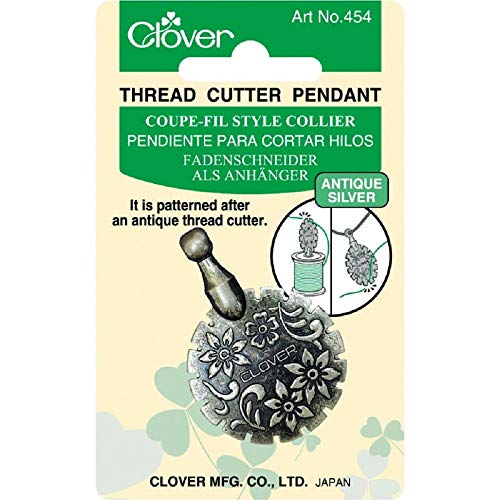
Efficiency in knitting often means keeping momentum without reaching for scissors every time a color change occurs. The Clover Thread Cutter Pendant is a circular blade housed safely within a decorative casing, allowing for a quick tug of the yarn across the gap to achieve an instant, clean break.
This tool is indispensable for airplane knitting or public transit sessions. It removes the stress of navigating security protocols while ensuring the yarn is always accessible.
The blade itself is stationary, meaning it does not require sharpening but will eventually need replacement. It works best on standard wool and acrylic weights; very thick, multi-ply novelty yarns may require a bit more tension to pass through the cutter.
Fiskars Ultrasharp Snips: The Budget Workhorse

Fiskars is a staple for a reason, and these snips represent the best intersection of affordability and reliable mechanics. The spring-action design allows for repetitive trimming without the finger fatigue often caused by standard finger-hole scissors.
These are particularly useful for production knitting or managing large stash-busting projects where dozens of yarn ends need securing. The blades are hardened steel and hold an edge remarkably well against the abrasive nature of some wool fibers.
Because they are lightweight, they can be easily tucked into a project bag or even attached to a lanyard. While the construction is primarily synthetic, the cutting action remains precise enough for the majority of standard knitting applications.
Tula Pink EZ Snips: Best for Arthritic Hands
The ergonomics of these snips prioritize comfort above all else, making them a top recommendation for knitters experiencing joint discomfort. The oversized, soft-grip handle requires minimal pressure to activate, reducing strain on the thumb and forefinger during long finishing sessions.
The razor-sharp blades are designed to glide through yarn rather than “chewing” at the fibers. This is crucial when working with roving-style yarns that can fray or untwist if cut with dull blades.
While the design is visually striking, its true value lies in the leverage it provides. If long hours of kitchener stitch or weaving in ends lead to hand cramping, switching to a high-leverage tool like this is an immediate quality-of-life upgrade.
Kai 5100c Curved Scissors: For Tricky Angles

Curved blades are an often overlooked secret weapon for the meticulous knitter. The Kai 5100c features a precise curve that allows the tip to sit flat against the fabric surface, ensuring a perfectly flush trim without accidentally nicking the underlying knit structure.
These are the preferred choice for those who do a significant amount of duplicate stitch or embroidery on their knits. The curve provides a “clearance” that straight blades simply cannot match when working on a flat plane.
The steel quality is exceptionally high, resulting in a smooth, quiet cutting action. They are an investment piece, but one that rewards the knitter with consistent, frustration-free performance during delicate finishing work.
Cohana Seki Mini Scissors: The Heirloom Splurge
Crafted in the Seki region of Japan, famous for its history of blade-smithing, these mini scissors are as much a work of art as they are a utility tool. They are small, compact, and finished with a precision that makes them a joy to hold.
For the knitter who values the tactility of their tools, the Cohana offers a superior experience. The alignment of the blades is perfect, resulting in a “snip” that feels clean and deliberate, even on the thinnest cobweb-weight yarns.
They are delicate and should be treated with care to maintain the alignment of the pivot screw. Use these for special projects where every detail—including the tools used—contributes to the overall joy of the making process.
What to Look for in a Great Pair of Snips
Choosing the right tool requires evaluating how the snips interact with the specific fibers most commonly used. A pair of snips should feel balanced in the hand, with a tension that allows for quick action without feeling loose or “sloppy.”
- Blade Material: Look for high-carbon or stainless steel for longevity.
- Pivot Point: A sturdy screw is preferable to a rivet, as it allows for professional adjustment or cleaning.
- Point Shape: Fine, needle-like points are essential for reaching into tight, cabled gaps.
- Ergonomics: Test whether the grip style encourages a natural hand position to prevent repetitive strain.
Avoid the temptation to use decorative craft scissors meant for paper. Paper-cutting scissors have a different blade bevel that will quickly dull and mangle yarn fibers, eventually causing them to fray rather than shear cleanly.
Snips vs. Scissors: Which Tool Is Right for You?
Snips generally utilize a spring-action mechanism, whereas scissors rely on finger loops. Snips are superior for volume: if you have a sweater with fifty yarn tails, the spring-loaded snip will be significantly faster and less taxing on the hands.
Scissors, however, offer better control for trimming a single long tail or for cutting larger pieces of ribbon or fabric for garment lining. A well-stocked sewing kit should ideally contain both.
Consider the nature of the project. A delicate, fine-gauge shawl benefits from the precision of a small scissor tip, while a chunky, multi-color intarsia project demands the speed and ergonomics of a dedicated thread snip.
How to Sharpen and Maintain Your Snips for Life
Even the finest steel will eventually lose its edge if forced to cut through abrasive, plant-based fibers like linen or cotton, which contain silica. Regular maintenance is the difference between a tool that lasts five years and one that lasts fifty.
Avoid cutting anything other than thread or yarn with your dedicated snips. Even a single cut through paper, wire, or heavy plastic can create microscopic notches in the blade edge that will cause your snips to grab and pull at delicate yarns.
To keep them in peak condition, wipe the blades with a dry, lint-free cloth after every use to remove fiber dust. If the movement becomes sluggish, a single, tiny drop of sewing machine oil at the pivot point will restore smooth, silent operation.
Flying With Snips: Navigating TSA Guidelines
TSA regulations generally permit scissors with blades shorter than four inches measured from the pivot point. Most thread snips fall well under this limit, making them technically compliant for carry-on luggage.
However, discretion is advised. Always keep the snips in a clear notions case rather than loose in a bag to ensure they are easily visible to agents if a bag check is triggered.
If there is any doubt regarding the specific design, opt for the Clover Thread Cutter Pendant. Because it uses an enclosed, non-removable blade, it is universally accepted by security personnel and eliminates the risk of having a prized pair of stork scissors confiscated at the gate.
Selecting the right pair of snips is about matching the tool to the specific demands of a project’s scale and fiber type. While high-quality steel and thoughtful ergonomics provide the best results, keeping any tool clean and well-maintained is what ensures it remains a lifelong companion in the workshop. Happy making.