7 Best Hat Racks For Wall Display To Organize Gear
Organize your collection with the 7 best hat racks for wall display. Browse our top picks to save space and showcase your favorite gear. Shop your style today!
After spending dozens of hours perfecting a gauge swatch and choosing the right twist for a wool beanie, the last thing any knitter wants is for that hard work to lose its shape. Proper storage is just as essential as the blocking process itself when it comes to maintaining the structural integrity of your knitwear. A well-chosen wall rack transforms a collection of hand-knit hats from a cluttered pile into a curated gallery. Selecting the right display method protects delicate fibers while ensuring your finished projects remain front and center in the studio.
The Peg & Post Rack: Sleek, Modern Hat Display
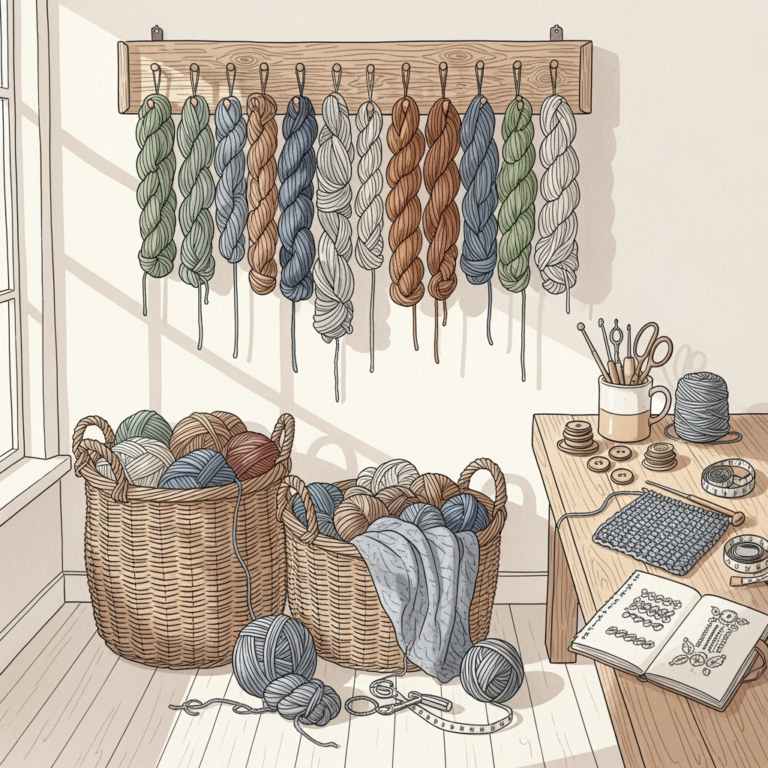
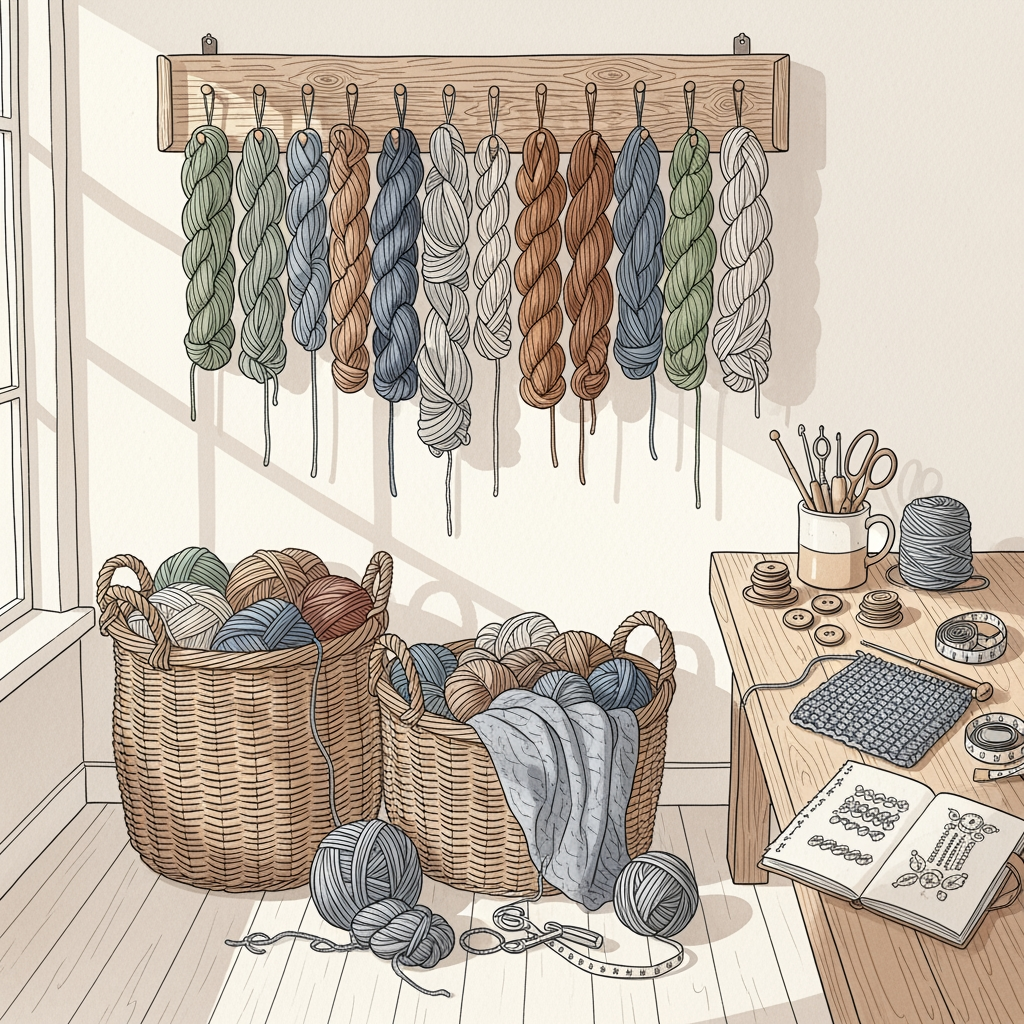
A simple wooden peg rail offers an understated way to showcase hand-knit items without distracting from the stitch patterns. These racks allow hats to hang freely, which promotes airflow and prevents the fibers from becoming crushed or felted by tight packing.
Because knitwear—especially those made from high-loft wools like alpaca or mohair—needs to breathe, the open spacing of a peg rack is ideal. However, check the tips of the pegs for rough wood grains or splinters. Any snag can pull a strand of yarn and ruin a complex cable design.
Always ensure the peg is rounded at the end to prevent the “hat crown” from being poked or stretched. If a hat is heavy with embellishments like pom-poms or beads, mount the rack at a height where the weight of the accessory doesn’t pull the fabric into a permanent point.
RusticState Wall Mount Rack: Best Farmhouse Vibe


Rustic-style racks often feature metal hooks or distressed wood that adds a cozy, handmade aesthetic to a crafting space. These are excellent for heavier, cabled hats that need a bit more structural support to keep their shape.
The wider hook design typical of these racks is superior for distributing the weight of dense, woolen beanies. If you prefer to knit with rustic, minimally processed wools that still contain a bit of lanolin, these sturdy racks match the organic nature of the fiber.
Consider the surface finish carefully. Avoid any rack with sharp metal edges, as these can snag delicate hand-dyed yarns. If the rack looks too abrasive, a quick light sanding or a small dab of clear nail polish on any rough contact points will protect your hand-knit investment.
Hat-Trick Vertical Organizer: For Tight Spaces
When floor space is at a premium, a vertical strap-style organizer is a practical solution. These systems use a series of clips or loops that hang downward, allowing for high-density storage that still keeps the brim of each hat visible.
Vertical organizers are particularly helpful for knitters who maintain a large collection of lightweight, seasonal caps. Because these hats are often stored in a stacked configuration, ensure the material of the clips is smooth plastic rather than jagged metal to avoid damaging the delicate stitches of a lace-weight project.
A key benefit here is the ability to group hats by fiber content or weight. Keep the lightest, most fragile lace-weight headwear at the top where there is less physical pressure. Heavier, multi-ply worsted hats belong at the bottom to maintain balance.
Hexa-Display Modular Racks: Most Creative Setup
Modular honeycomb or hexagonal racks allow for a personalized layout that can grow as the collection expands. This is an excellent choice for a knitter who wants to turn a functional storage space into a visual centerpiece.
These racks offer individual “cells” for each hat, which acts as a protective nest. This design prevents different fibers from rubbing against each other—a crucial consideration if you store mohair or angora hats, which can easily cling to and transfer fuzz to other garments.
The primary tradeoff is the fixed size of the cell. Before installing, ensure the diameter of the hex unit is wider than your average beanie block. You do not want a hat to be squeezed into a space that causes the fabric to bunch or deform over time.
TidyHome Over-Door Hooks: Top Budget-Friendly Pick
Over-the-door hooks are the most accessible entry point for those just starting to build their hat collection. These are perfect for a studio space where you need quick access to your favorite daily-wear hats without committing to permanent wall installation.
Look for hooks that offer a generous arc rather than a sharp, hook-like point. A gentle curve mimics the shape of a human head, which helps the hat maintain its crown depth.
While these are cost-effective, they lack the ventilation of a wall-mounted rack. Ensure that only fully dry, clean hats are hung here to prevent moisture buildup. Never hang a hat that has just been steam-blocked until it is completely cool and moisture-free.
The Collector’s Wall Rack: For Large Collections
For the serious knitter with a massive inventory, a wide wall rack with multiple horizontal bars is the most efficient choice. This setup allows for broad, flat placement of hats, which is the gold standard for long-term storage.
By draping hats over a horizontal bar rather than hanging them by a single point, you eliminate the risk of the “stretching out” that happens at the crown. This is the preferred method for delicate items like hand-knit berets or wide-brimmed cloches that lose their shape easily under gravity.
Space these racks so there is at least an inch between items. Proper air circulation is vital to prevent moth infestation, especially if your collection includes untreated, high-quality sheep’s wool.
The Knitter’s Friend Pegs: Protect Your Handknits
Specific “knitter-friendly” pegs are often designed with smooth, rounded caps or silicone-coated tips. These are explicitly engineered to avoid the dreaded “yarn snag,” which is the nightmare of every artisan who has spent weeks on a garment.
When choosing between plastic, wood, or metal pegs, prioritize the finish. Plastic must be molded without a seam, and wood should be finished with a non-transferring wax.
If you work frequently with silk or bamboo-blend yarns, these fibers are prone to catching on microscopic imperfections. A silicone-tipped peg provides the necessary friction to hold a hat in place without the risk of pulling a loop of yarn out of alignment.
How to Pick a Hat Rack for Your Knitwear
Selection should always begin with the fiber weight and the structure of the hat. A heavy, felted wool hat can handle a simple hook, whereas a delicate alpaca lace cap requires a rounded surface to avoid permanent deformation.
Consider the following checklist before finalizing your purchase: * Surface Texture: Ensure the material is snag-free. * Contact Point: Does the rack support the hat, or does it cause the crown to stretch? * Ventilation: Is there enough room for air to circulate between hats? * Proximity: Will the rack be near a heat source that could dry out and brittle-ize animal fibers?
Ultimately, the best rack is one that balances ease of access with the long-term health of your knitwear. Do not prioritize aesthetics if the hook design threatens the integrity of your knitting.
Protecting Hats from Dust, Sun, and Stretching
Even the most beautiful display needs to be managed for environmental factors. Sunlight is a primary enemy of natural fibers; prolonged exposure to UV light will fade even the most colorfast hand-dyed yarns and cause fibers like silk or linen to become brittle.
Dust accumulation can also be an issue, as dust contains particulates that can settle into the yarn structure and encourage pests. Rotate your display regularly, and keep a lint roller with a very low-tack adhesive nearby to gently refresh your hats as needed.
Never hang a damp hat or a hat that has been stored near perfume or smoke. Knitwear is highly absorbent, and wall racks provide no protection from household odors. If a hat will be sitting for an entire season, consider a breathable cloth cover.
Where to Hang Your Hat Rack for Best Results
The ideal location for your hat rack is a wall that maintains a stable, moderate temperature. Avoid installing racks near HVAC vents, fireplaces, or in bathrooms where humidity levels fluctuate wildly.
Fluctuating humidity is a significant threat to wool, as it can cause the fibers to expand and contract, leading to a loss of the original “blocking” shape. A stable, interior wall away from direct windows provides the best environment for your hard work to remain in display-ready condition.
Ensure your rack is mounted into a stud or uses appropriate drywall anchors if your hat collection is extensive. A collapsing rack not only risks damaging your hats but can also mar the wall finish you worked so hard to curate.
Properly displaying hand-knit gear is a functional extension of the craft itself, turning your hard work into a source of daily inspiration. By choosing a rack that respects the physical needs of your fiber, you ensure your hand-knits remain just as beautiful as the day you cast off. Careful placement and maintenance allow your collection to grow alongside your skills, keeping your favorite pieces safe and ready for the next cold day.