6 Best Dusting Cloths For Cleaning Closet Shelves
Keep your closet shelves spotless with our expert guide. Discover the 6 best dusting cloths to trap dirt and grime efficiently. Read our top picks today.
Dusting a stash of luxury wool or intricate lace projects requires as much precision as managing tension in a stranded colorwork yoke. Neglecting the buildup of dust on closet shelves is the fastest way to invite moths or compromise the integrity of delicate natural fibers. Finding the right tools ensures that shelves remain clean without creating static or leaving behind abrasive debris. Protecting the fiber collection starts with understanding which dusting materials are safe for fine yarn.
Swiffer Dusters Heavy Duty: Best for Quick Cleans


Swiffer Dusters utilize trap-and-lock technology that is ideal for grabbing loose particles before they settle into the fibers of a skein. These are perfect for a quick sweep of the shelves when switching out seasonal weights of yarn.
The disposable nature of these dusters means that once the job is done, the allergens and debris are discarded rather than redistributed. This prevents the transfer of lingering dust or small debris from one shelf to the next.
For those keeping their yarn in open cubbies, these dusters excel at reaching into corners without snagging delicate plies. However, ensure the duster head does not directly touch exposed, fuzzy fibers like mohair, which can snag easily.
E-Cloth Dusting Cloth: Best Eco-Friendly Option
E-Cloth uses high-density microfibers that require only water to clean, making them a safe choice for those sensitive to chemicals. For the yarn enthusiast, this means no lingering synthetic fragrances or cleaning residues that might settle onto your stash.
The fibers in these cloths are engineered to attract dust through a positive static charge. This makes them highly effective at lifting surface debris off laminated or wood shelving without needing a liquid spray.
Since these are machine washable, they provide a long-term solution for maintaining a pristine fiber storage environment. They remain soft over time, ensuring no scratching occurs if they accidentally brush against hand-dyed yarns or delicate silk blends.
Amazon Basics Microfiber Cloths: Best Budget Pick

Microfiber cleaning cloths are the workhorses of the knitting room, providing excellent value for frequent cleaning. These cloths are thick enough to hold plenty of dust, yet thin enough to maneuver around heavy yarn bins.
Because they are affordable, it is easy to dedicate one set strictly to the yarn closet. This prevents cross-contamination from other areas of the house where oils or chemicals might be present.
While they are highly effective, they do not have the high-tech weave of premium cloths. Use them for general shelf maintenance rather than delicate cleaning directly on yarn labels or loose fiber ends.
MR.SIGA Microfiber Cloth: Best All-Purpose Workhorse
The MR.SIGA cloth features a dual-texture design that offers versatility for different cleaning needs. One side is typically designed for scrubbing, while the other is soft for dusting and polishing.
For closet shelves, the soft side is the primary choice, as it captures dust without the risk of abrasion. If a shelf has accumulated stubborn grime from a spill, the scrubby side can clean the surface before the yarn is returned to its spot.
These cloths are exceptionally durable, standing up to dozens of wash cycles without losing their integrity. They represent a reliable, no-nonsense choice for the meticulous organizer who keeps a massive collection of assorted yarn weights.
VibraWipe Microfiber: Best for Buying in Bulk
Buying in bulk is a strategic move for the knitter with a dedicated craft room or a floor-to-ceiling yarn wall. VibraWipe cloths offer a consistent quality that ensures every shelf in a large storage unit receives the same level of care.
Having a large supply allows for frequent rotation, ensuring that a clean, fresh cloth is always available. A fresh cloth reduces the risk of dragging accumulated dust onto clean skeins.
These are particularly useful for those who store their stash in cardboard or plastic bins that attract dust on the lids. A quick wipe-down of all storage surfaces twice a year will keep the entire collection looking professional and well-cared for.
OXO Good Grips Duster: Best for High Shelves
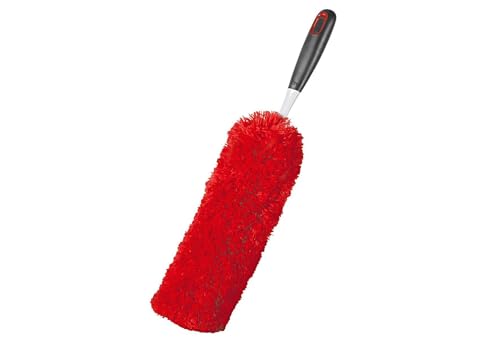
Reaching the top shelves where hard-to-access projects are stored often requires a tool with an extended reach. The OXO Good Grips Duster provides the length needed to maintain high storage areas without the need for a step stool.
The head is flexible and can be adjusted to reach the awkward corners of deep closets. This ensures that even the most obscure shelf space is free of the dust that inevitably collects in quiet, undisturbed areas.
Safety is paramount when working around high shelves loaded with heavy bins of wool. This duster allows for precise cleaning, reducing the likelihood of accidentally knocking over a stack of yarn or losing balance while reaching.
How to Choose the Right Dusting Cloth Material
Choosing the right material is similar to choosing the right knitting needles; it depends on the surface and the sensitivity of the materials involved. Microfiber is generally the standard because it creates a static charge that traps dust effectively.
Consider the following factors when selecting your cloth: * Absorbency: Essential if you use a light cleaning mist on your shelves. * Abrasiveness: Avoid any cloth with a coarse weave that could snag loose yarn ends. * Washability: Ensure the cloth can be sanitized regularly to prevent mold or dust mites.
Always prioritize lint-free materials. A cloth that leaves behind fuzz or fibers is counterproductive, as these particles can weave themselves into the yarn plies.
Microfiber vs. Cotton: Which Is Better for Dust?
While cotton is excellent for blocking or handling wet yarn, it is not ideal for dry dusting. Cotton fibers tend to push dust around rather than trapping it within the weave, often leaving behind a trail of lint.
Microfiber is engineered to penetrate and capture dust particles within its split-fiber structure. This is critical for yarn storage, where the goal is to remove debris rather than just displace it into the air.
If you prefer natural materials, ensure they are tightly woven, such as high-quality microfiber alternatives. However, for sheer efficacy, synthetic microfiber remains the superior choice for maintaining a dust-free fiber environment.
Caring for Your Reusable Microfiber Dust Cloths
Proper maintenance of your dusting cloths is just as important as blocking a completed garment. Wash microfiber cloths in warm water using a mild detergent to remove the trapped dust and skin cells.
Never use fabric softener, as this coats the fibers and prevents them from attracting dust in the future. Fabric softeners also leave a chemical residue that you do not want anywhere near your natural fibers like alpaca, cashmere, or sheep’s wool.
Air dry or use a low-heat tumble cycle to preserve the microscopic hooks that make these cloths effective. Treat them with the same care you would give your finest knitting tools, and they will keep your stash protected for years.
Dusting Safely Around Your Precious Yarn Stash
Always remove yarn from the immediate area before aggressive dusting. Even with the best cloth, dust can become airborne during the process and settle back onto your projects.
If you must dust with yarn present, work from the top shelf downward. This ensures that any dust released by the motion of the cloth is caught on lower surfaces that have not yet been cleaned.
For extremely delicate or high-value fibers like silk or angora, use a light hand. Treat the area around these fibers with the same caution used when handling a complex lace chart, ensuring your tool moves away from the yarn to avoid accidental contact.
Maintaining a clean environment for your yarn is an essential part of the craft. By selecting the right tools and using consistent cleaning habits, you ensure your stash stays in pristine condition for every project you undertake.